

Volkswagen Passat Manifold Absolute Pressure (MAP) Sensor: 2012-2022
Diagnosing common MAP sensor problems and choosing the right replacement part for your Passat's engine.
- A bad MAP sensor on a Passat often causes a P0106 code, rough idle, and poor fuel economy.
- Before replacing the sensor, always check for simpler issues like a dirty throttle body, a bad PCV valve, or vacuum leaks.
- Bosch is an OEM supplier for this part, making it a top-tier, reliable replacement choice.
- Replacement is a manageable DIY task for most owners, requiring basic tools and careful handling of the small mounting screw.
Is Your Passat Running Rough? It Could Be the MAP Sensor.
A failing Manifold Absolute Pressure (MAP) sensor can cause a variety of engine problems that are easy to misdiagnose. If your Passat is experiencing poor performance, this guide will help you understand the symptoms, identify the root cause, and choose a quality aftermarket replacement.
Symptoms of a Failing MAP Sensor
When a MAP sensor starts to fail, it sends incorrect data to the engine computer. This can make your car run poorly. The most common sign is the Check Engine Light on your dashboard. Other symptoms include:
- Rough or Unstable Idle: The engine may shake, surge, or struggle to maintain a steady RPM.
- Poor Acceleration: The car may feel sluggish, hesitate, or lack power when you press the gas pedal.
- Increased Fuel Consumption: You may notice you're visiting the gas station more often.
- Hard Shifting: In some cases, a bad MAP sensor signal can even cause the automatic transmission to shift harshly.
- Black Exhaust Smoke: A very rich fuel mixture caused by a bad sensor can result in black smoke from the tailpipe.
Important: Check This Before Replacing the Sensor
Especially on the 2.5L engine, the P0106 trouble code doesn't always mean the MAP sensor is bad. Before you buy a new part, check for these common issues:
- Dirty Throttle Body: Carbon buildup can restrict airflow and trigger a MAP sensor code. Cleaning the throttle body often fixes the problem.
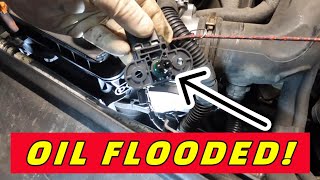
- Faulty PCV System: A failed PCV (Positive Crankcase Ventilation) system can allow engine oil to get into the intake manifold, contaminating and destroying the MAP sensor. If you find oil on the old sensor, you must also fix the PCV system.
- Vacuum Leaks: A cracked or disconnected vacuum hose can mimic MAP sensor failure perfectly. A mechanic can perform a smoke test to find any leaks.
Choosing the Right Aftermarket MAP Sensor
You don't need to buy the most expensive part, but for a critical sensor like this, quality matters. Aftermarket brands can be grouped into tiers based on their reputation for quality and whether they supply parts to Volkswagen directly.
Tier 1: OEM-Equivalent
These brands are known to be Original Equipment Manufacturers (OEM) for VW or produce parts to the same high standard. Choosing one of these is the safest bet for long-term reliability and performance.
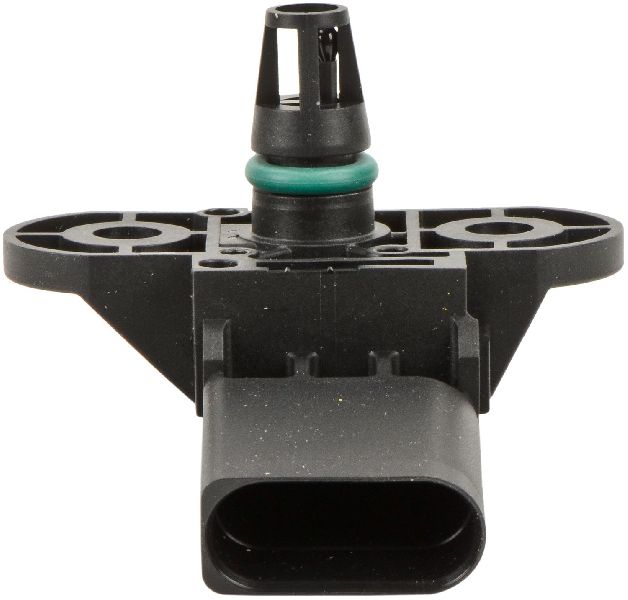
- Bosch: Widely confirmed as an OEM supplier for VW's MAP sensors. This is the closest you can get to the original part and is highly recommended.
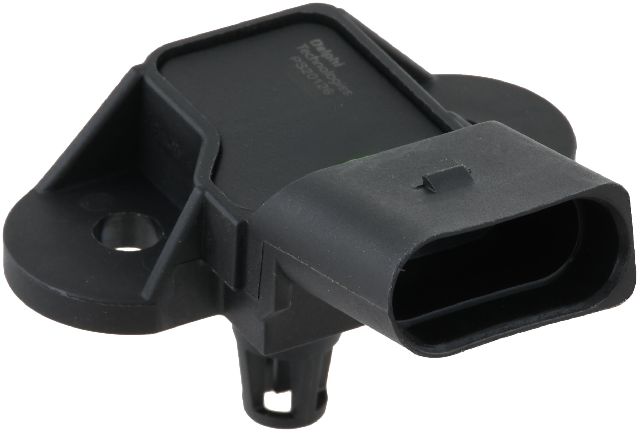
- Delphi: A major OEM supplier for many car brands with a strong reputation for quality electronics.
Tier 2: Reputable Aftermarket
These brands are well-established in the aftermarket and offer a good balance of quality and price. They are a solid choice if an OEM-equivalent part isn't available or is outside your budget.
- Standard Motor Products (SMP): A long-standing brand known for quality replacement parts. Stick to their standard line (not the budget "T-Series").
- NGK/NTK: While famous for spark plugs, their NTK sensor line is well-regarded for its quality and reliability.
Tier 3: Budget-Friendly
These brands offer the most affordable options. They can be a solution if the budget is your main priority, but be aware that their manufacturing tolerances and long-term durability may not match the higher-tiered brands.
- Hella
- Facet
- Spectra
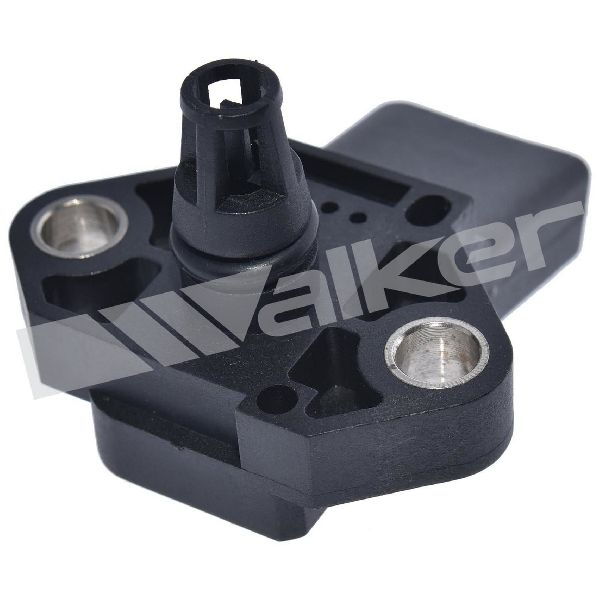
- Walker Products
- Vemo
| Part Type | Estimated Cost |
|---|---|
| New OEM (Dealer) | $120 - $180 |
| New Aftermarket | $35 - $156 |
| Shop Labor | $60 - $120 |
Pro Tip: Installation
Replacing the MAP sensor is a DIY-friendly job for many. It's typically held by one T20 or T30 Torx screw. On the 2.5L engine, you may need to remove the throttle body for access. When removing the small screw, tape it to your tool or use a magnetic driver to avoid dropping it into the engine bay.
🎬 Watch this quick and easy MAP sensor replacement walkthroughFrequently Asked Questions (FAQ)
Where is the MAP sensor located on my Passat?
The MAP sensor is located on the intake manifold, usually near the throttle body. On turbocharged models, a second pressure sensor may be located on the intercooler piping.
Can I clean my MAP sensor instead of replacing it?
You can try cleaning it, especially if you suspect oil contamination from a bad PCV system. Use only a dedicated Mass Air Flow (MAF) sensor cleaner, as other chemicals can damage the sensor. 🎬 See how to clean your MAP sensor to clear codes However, if the sensor's internal electronics have failed, cleaning will not help.
Are there any recalls for the Passat MAP sensor?
No. As of early 2026, there are no specific NHTSA safety recalls for the MAP sensor on the 2012-2022 Volkswagen Passat.
What's the difference between a MAP and MAF sensor?
A MAP (Manifold Absolute Pressure) sensor measures air pressure. A MAF (Mass Air Flow) sensor measures the mass and volume of air entering the engine. Your Passat uses a MAP sensor, and some engines may use both.
Helpful Videos

Technical Specifications
OEM Part Numbers: 03G906051M 06L906051K 0261230234 036906051G
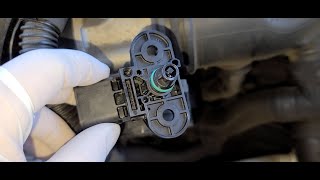
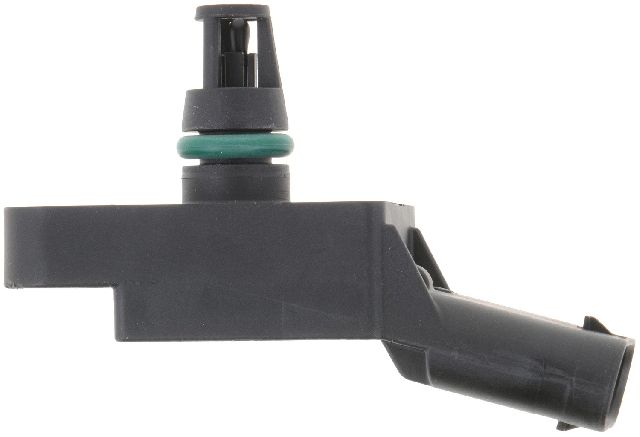
Typically a 4-pin electronic sensor that mounts directly to the intake manifold or intercooler piping with one or two Torx screws.
We Have This Part in Stock


The information in this article is provided for general reference and educational purposes only. Vehicle specifications, procedures, and part compatibility can vary by production date, trim level, and region. Always consult your vehicle's factory service manual and verify part numbers before purchasing or performing repairs. Safety-critical components such as airbags, seat belts, and braking systems should be installed by a qualified professional.
- Volkswagen Passat: