

A Guide to Spark Plug Replacement for the 2012-2023 BMW X5
Keep your X5's advanced engine running at peak performance by understanding when and how to replace your spark plugs.
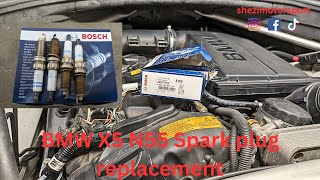
- Stick to OEM-equivalent aftermarket brands like NGK and Bosch for proven performance and reliability.
- BMW recommends replacing spark plugs approximately every 60,000 miles, but check your iDrive for specific intervals.
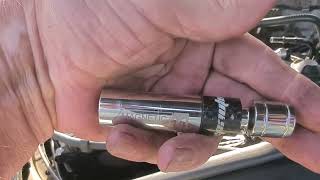
- A special thin-walled 14mm socket is required for the job on most X5 engines.
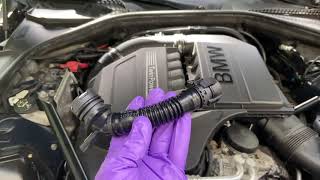
- If working on an N55 engine, be prepared for the brittle crankcase vent hose to break and have a replacement ready.
Signs of Failing Spark Plugs in a BMW X5

When your spark plugs are nearing the end of their life, your X5 will give you several warning signs. Ignoring them can lead to reduced fuel economy and potentially damage more expensive components like ignition coils or catalytic converters. You might notice one or more of the following symptoms:
- Rough Idle: The engine may shake or vibrate noticeably when the vehicle is stopped.
- Poor Acceleration: The vehicle may feel sluggish or hesitant when you press the gas pedal.
- Reduced Fuel Economy: You may find yourself filling up the gas tank more often than usual.
- Engine Misfires: The engine may stumble or lose power, sometimes causing a jerking sensation while driving.
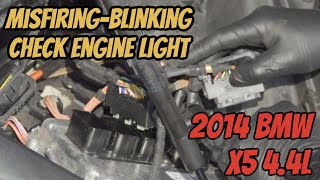
- Check Engine Light: A failing spark plug is a common reason for the check engine light to illuminate, often with codes indicating a cylinder misfire (P0300-P0308). 🎬 Watch: Step-by-step diagnosis of a single cylinder misfire
Choosing the Right Aftermarket Spark Plugs

For a high-performance vehicle like the BMW X5, selecting the correct spark plug is crucial. While Genuine BMW plugs are always an option, the original parts are manufactured by well-known aftermarket brands. Choosing one of these OEM-supplier brands can give you the same quality without the dealership markup.
Aftermarket Brand Quality Tiers
| Tier | Brands | Assessment |
|---|---|---|
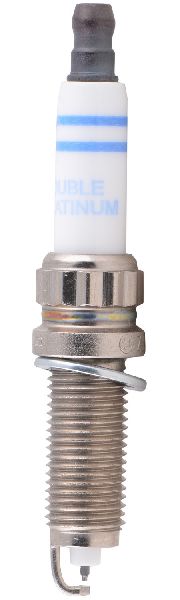
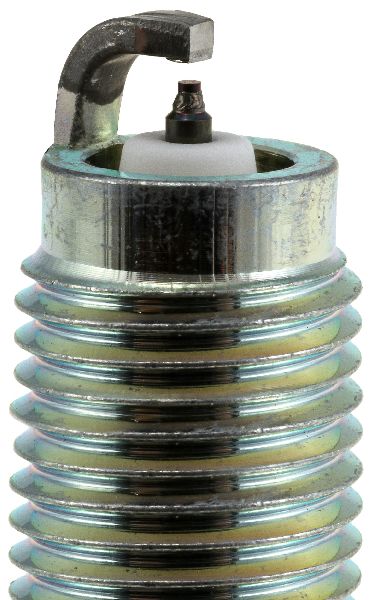
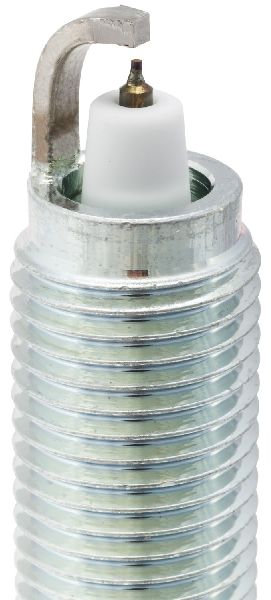
| Tier 1: OEM Equivalent | Bosch, NGK | Both Bosch and NGK are original equipment suppliers for BMW. Choosing the specific Iridium or Platinum plug model that matches your X5's engine (e.g., N55, B58, N63) is the safest and most recommended aftermarket option for maintaining factory performance and reliability. Many enthusiasts exclusively use these brands. |
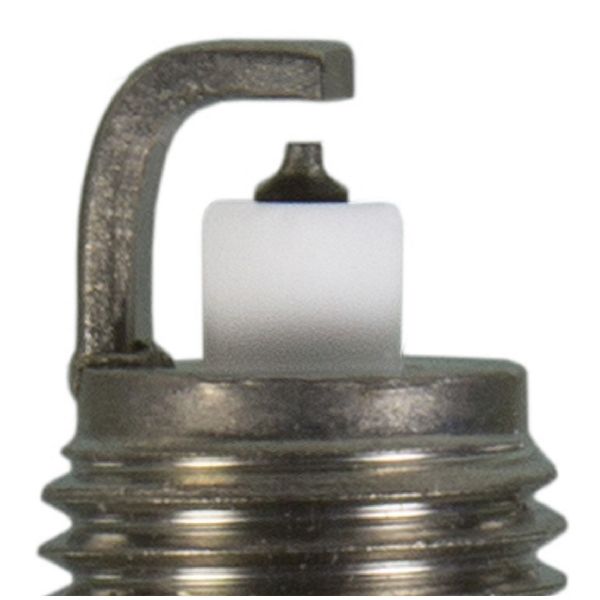
| Tier 2: Reputable Aftermarket | Champion | Champion produces Iridium plugs that may be listed as compatible with the X5. However, they are less commonly used and recommended within the BMW community for modern turbocharged engines. Some users have reported issues when switching from the OEM brand to another, so it's critical to verify the exact part number and specifications. |
A Note on Counterfeit Parts
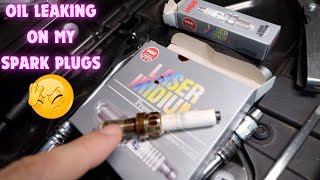
Be aware that counterfeit spark plugs, especially for popular brands like NGK, are common on online marketplaces. These fake plugs can cause misfires and engine problems. To avoid this, purchase from reputable auto parts retailers.
Known Issues, Recalls, and Service Bulletins

While there are no direct recalls for spark plugs on the 2012-2023 BMW X5, a few related items have been noted:
- NHTSA Recall 25V644: Affects some 2019-2020 X5 models for a starter motor that may fail and overheat. This is not a spark plug issue but relates to the engine's starting system.
- TSB SIB 62 02 25: BMW issued a service bulletin to correct the Condition Based Service (CBS) data for the spark plug replacement interval in the vehicle's computer system. This ensures the maintenance reminder is accurate. 🎬 Watch: Spark plug replacement walkthrough for the B58 engine
Pro Tip for DIY Replacement
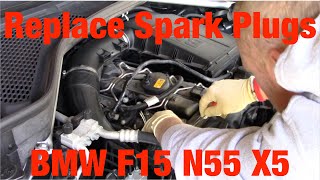
If you are replacing the plugs on an X5 with the N55 engine (common in 2012-2018 models), be extremely careful with the crankcase vent hose. It becomes very brittle over time and frequently breaks during removal. 🎬 See how to replace a brittle crankcase vent hose It is wise to have a replacement hose on hand before starting the job. You will also need a special thin-walled 14mm, 12-point swivel socket for most X5 engines.
Frequently Asked Questions (FAQ)

How often should I change the spark plugs on my BMW X5?
BMW's recommended service interval is typically every 60,000 miles. However, this can vary based on your engine type and driving habits. Some owners of tuned vehicles or those who drive aggressively may change them more frequently. The vehicle's iDrive service menu should provide a specific reminder.
Should I use Iridium or Platinum spark plugs?
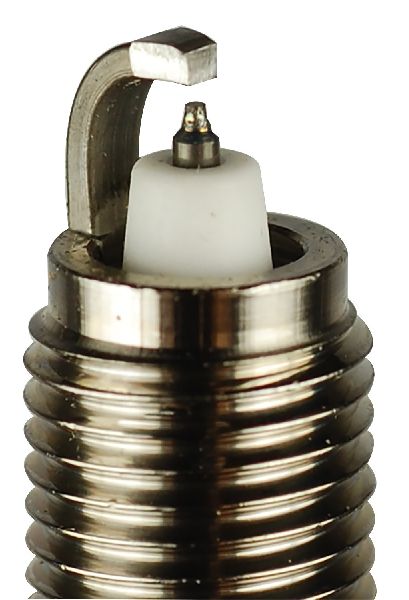
Modern BMW engines are designed for long-life Iridium or Platinum spark plugs. Iridium is generally considered superior as it is harder and more durable, offering excellent performance and a long service life. It's best to use the material specified for your engine. Many NGK and Bosch plugs designed for the X5 are Iridium.
Do I need to gap the spark plugs for my X5?
Generally, no. High-quality aftermarket plugs from brands like NGK and Bosch come pre-gapped for their intended application. Attempting to gap them can damage the fine iridium or platinum tip. Always verify you have the correct part number for your vehicle to ensure the gap is correct out of the box.
Can I use a cheaper spark plug brand?
While you can, it is not recommended for the X5's sophisticated engine. Using plugs that are not OEM-equivalent can lead to misfires, poor performance, and reduced fuel economy. Given the critical role they play, sticking with proven brands like NGK and Bosch is a wise investment.
Helpful Videos
Technical Specifications
OEM Part Numbers: 12120037582 12120040551 12122455258
Most engines in this year range require a 14mm, 12-point, thin-walled spark plug socket. The recommended torque specification is typically 23 Nm. Plugs are generally Iridium or Platinum and come pre-gapped from the manufacturer.
We Have This Part in Stock

The information in this article is provided for general reference and educational purposes only. Vehicle specifications, procedures, and part compatibility can vary by production date, trim level, and region. Always consult your vehicle's factory service manual and verify part numbers before purchasing or performing repairs. Safety-critical components such as airbags, seat belts, and braking systems should be installed by a qualified professional.
- BMW X5: