

Chrysler 300 Serpentine Belt Replacement Guide (2012-2023)
Everything you need to know about choosing the right serpentine belt for your 2012-2023 Chrysler 300.
- Inspect the serpentine belt for cracks and wear at every oil change.
- Plan to replace the belt, tensioner, and idler pulleys together, especially after 75,000 miles, to prevent future issues.
- Premium aftermarket brands like Gates and Continental offer excellent quality and value for the Chrysler 300.
- A squealing noise does not always mean the belt is bad; it often points to a failing tensioner or pulley.
Is Your Serpentine Belt Failing?

A serpentine belt is a wear item, meaning it will eventually need to be replaced. For the 2012-2023 Chrysler 300, the typical lifespan is between 60,000 and 100,000 miles, but it's wise to inspect it during every oil change. Look for these common signs of wear or failure:
- Squealing or Chirping Noises: This is the most common symptom. The noise may be constant or change with engine speed. While it can mean the belt is worn, it often points to a failing belt tensioner or a misaligned pulley.
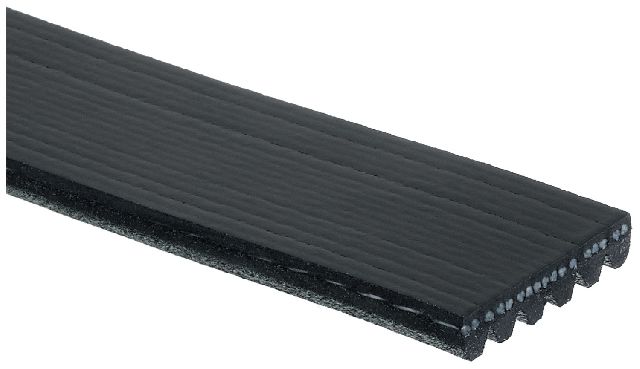
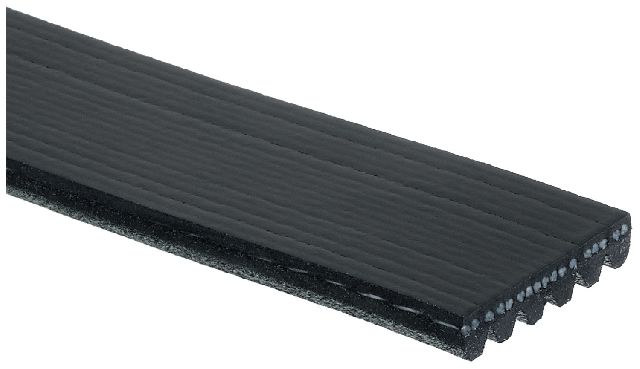
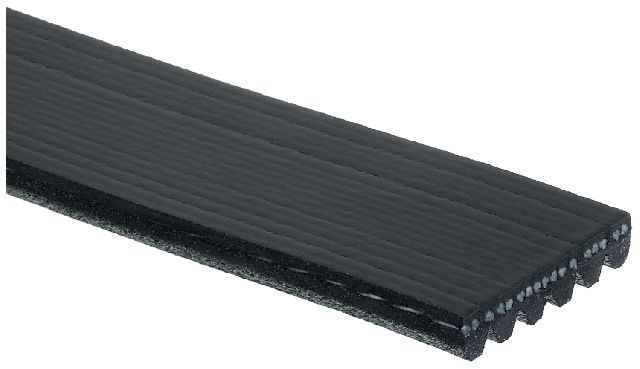
- Visible Damage: Look for cracks, fraying, glazing (a shiny, smooth surface), or missing chunks of the belt's ribs. Any visible damage means it's time for a replacement.
- System Failures: A failing belt can cause other issues. You might see a battery warning light if the alternator isn't spinning properly, or your engine temperature may rise if the water pump stops working. You may also experience a loss of power steering.
Related Issue: Alternator Recall on 3.6L Engines
Chrysler issued a recall (NHTSA 14V-634) for some 2012-2014 Chrysler 300 models equipped with the 3.6L engine and a 160-amp alternator. The alternator could fail, leading to vehicle stalling or an electrical fire. The repair procedure involves removing and replacing the serpentine belt. If you own one of these models, ensure this recall has been addressed, as a failing alternator can damage a new belt.
Choosing the Right Aftermarket Serpentine Belt

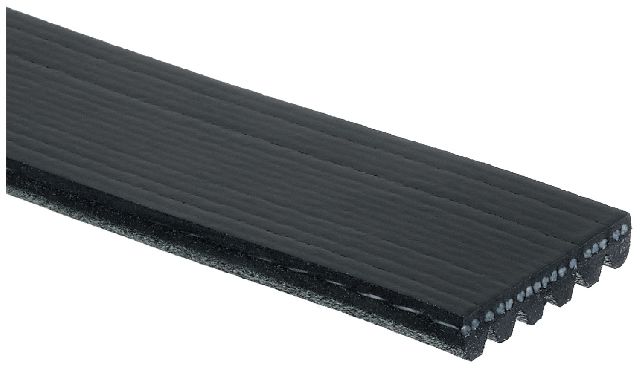
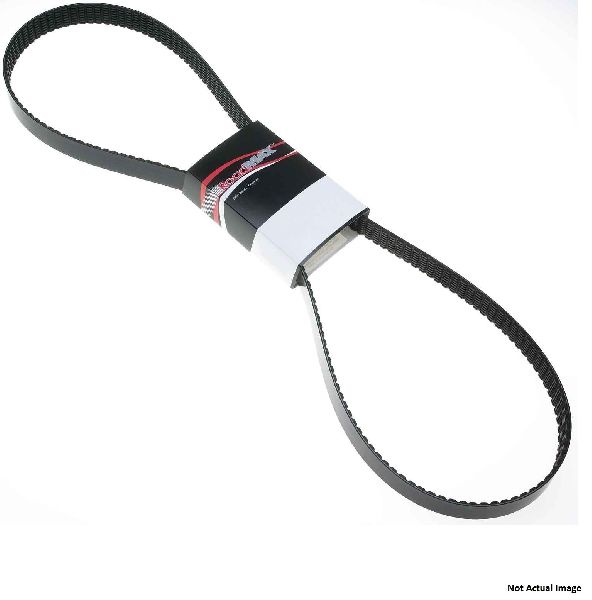
When shopping for a new serpentine belt, you'll find OEM and aftermarket options. For the Chrysler 300, many aftermarket brands offer excellent quality that often meets or exceeds the original Mopar part, usually at a better price.
Brand Quality Tiers
- Premium Aftermarket (Recommended): Brands like Gates and Continental are highly regarded in professional and DIY communities. They are often original equipment suppliers for many car manufacturers and are known for their durability and quiet operation. These are excellent choices for your Chrysler 300.
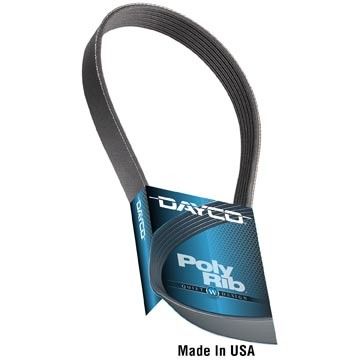
- Standard Aftermarket: Dayco is a well-known brand that offers a solid, reliable product. It's a good-quality replacement that provides great value and performance for daily driving.
- OEM (Mopar): This is the same part your vehicle came with from the factory. It guarantees a perfect fit but typically comes at a higher cost than aftermarket alternatives.
- Budget-Friendly: Brands like Crown Automotive are also available and can be a cost-effective solution, though they are more commonly known for Jeep parts.
Pro Tip: Replace More Than Just the Belt
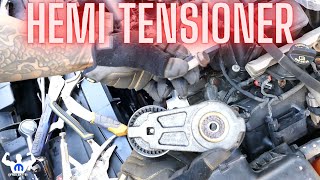
Experienced mechanics almost always recommend replacing the belt tensioner and any idler pulleys at the same time as the serpentine belt, especially on vehicles with over 75,000 miles. The bearings in these pulleys wear out and are a common source of the squealing noises often blamed on the belt itself. Replacing them as a kit prevents you from having to do the same job twice when a pulley fails shortly after installing a new belt.
Estimated Replacement Costs
The cost can vary depending on your engine (3.6L V6 or 5.7L V8) and which parts you replace. Here is a general breakdown:
| Part/Service | Estimated Cost |
|---|---|
| Aftermarket Serpentine Belt Only | $27.76 - $87.66 |
| OEM (Mopar) Serpentine Belt Only | $58 - $75 |
| Shop Labor (Belt Only) | $50 - $100 |
| Total Professional Replacement (Belt Only) | $107 - $134 |
Note: Costs for replacing the tensioner and idler pulleys will be additional.
Frequently Asked Questions (FAQ)

When should I replace my Chrysler 300's serpentine belt?
It is recommended to inspect the belt at every oil change and plan for a replacement between 60,000 and 100,000 miles, or immediately if you notice any signs of wear like cracking, fraying, or squealing.
Is replacing the serpentine belt a DIY job?
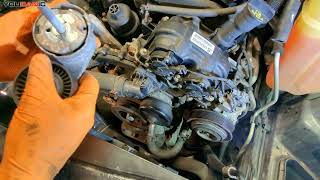
Yes, for many owners with basic mechanical skills. The process involves using a long-handled ratchet or serpentine belt tool to release the tensioner, removing the old belt, and routing the new one correctly. Always make a diagram or take a picture of the belt routing before you start.
What else should I replace with the serpentine belt?
It is highly recommended to replace the belt tensioner and idler pulleys at the same time. These parts have bearings that wear out and can cause noise or fail, potentially damaging your new belt.
What happens if my serpentine belt breaks while driving?
If the belt breaks, your car will lose power to the alternator, water pump, and power steering pump. The battery will stop charging, the engine will quickly overheat, and steering will become very difficult. You should pull over safely and shut off the engine immediately to prevent severe damage.
Helpful Videos

Technical Specifications
OEM Part Numbers: 05184647AB 4593685AB 04593684AA
The correct serpentine belt depends on your Chrysler 300's specific year, engine (3.6L V6 or 5.7L/6.4L V8), and accessory options (e.g., with or without hydraulic power steering). Always verify the part number with your vehicle's VIN. The 3.6L engine in some models does not have a power steering pump, which changes the belt routing and length.
We Have This Part in Stock

The information in this article is provided for general reference and educational purposes only. Vehicle specifications, procedures, and part compatibility can vary by production date, trim level, and region. Always consult your vehicle's factory service manual and verify part numbers before purchasing or performing repairs. Safety-critical components such as airbags, seat belts, and braking systems should be installed by a qualified professional.
- Chrysler 300: