

Steering Tie Rod End Guide for the 2012-2023 Dodge Charger
Fix your Charger's loose steering and prevent rapid tire wear by understanding and choosing the right tie rod ends.
- A professional wheel alignment is mandatory after replacing any tie rod end to prevent unsafe handling and rapid tire wear.
- Symptoms of failure include loose steering, vibrations, clunking noises, and uneven tire wear.
- Premium aftermarket brands like Mevotech TTX and Moog Problem Solver offer heavy-duty, greaseable options that can be an upgrade over stock.
- Replacing outer tie rods in pairs (left and right) is recommended for balanced steering and to avoid a repeat repair job.
Is Your Charger's Steering Feeling Off? It Could Be the Tie Rods
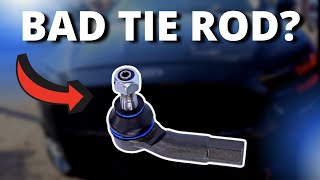
If your Dodge Charger has developed a mind of its own on the highway, makes clunking sounds on turns, or the steering wheel shimmies and shakes, you're likely dealing with worn-out tie rod ends. These parts are ball-and-socket joints that wear down from normal use, and the heavy front end of a Charger can accelerate this wear. When they become loose, it directly impacts your steering precision and safety.
Symptoms of a Failing Tie Rod End
🎬 Watch: 5 common signs your tie rods are failing- Loose or Shaky Steering: A feeling of excessive play or a “dead spot” in the steering wheel where it moves before the wheels respond. This may require you to constantly make small corrections to keep the car straight.
- Vibrations From the Front End: A shimmy or vibration felt in the steering wheel, especially at highway speeds. This vibration often gets worse as you accelerate or turn.
- Clunking or Popping Noises: A distinct knock or pop sound when you turn the steering wheel at low speeds or go over bumps. This is the sound of the worn, loose joint moving around.
- Uneven Tire Wear: Worn tie rods cause the front wheels to be misaligned, leading to rapid and uneven wear on the inside or outside edges of your front tires.
Immediate Alignment Required
Any time a tie rod end is replaced, you must get a professional wheel alignment. Skipping this step will cause poor handling and will destroy your front tires in a very short time, wasting money and compromising safety.
Choosing the Right Aftermarket Tie Rod End
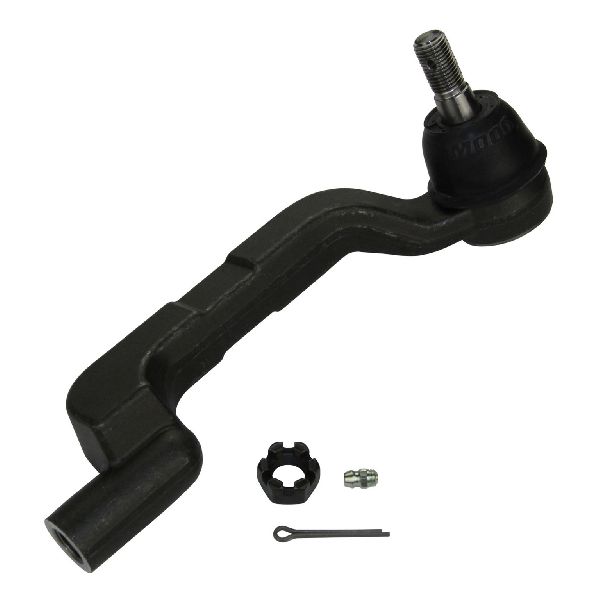
For the 2012-2023 Dodge Charger, you have several good options ranging from standard replacements to heavy-duty upgrades. Unlike some parts where OEM is always best, some aftermarket tie rods offer features like grease fittings that can increase lifespan with regular maintenance.
Brand Quality Tiers
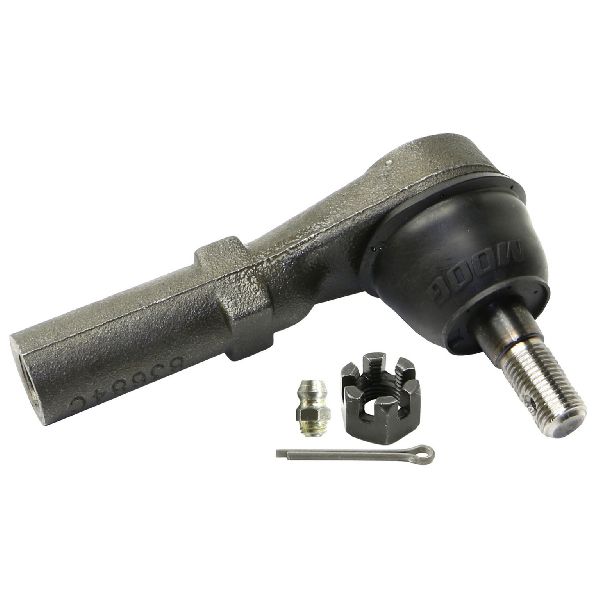
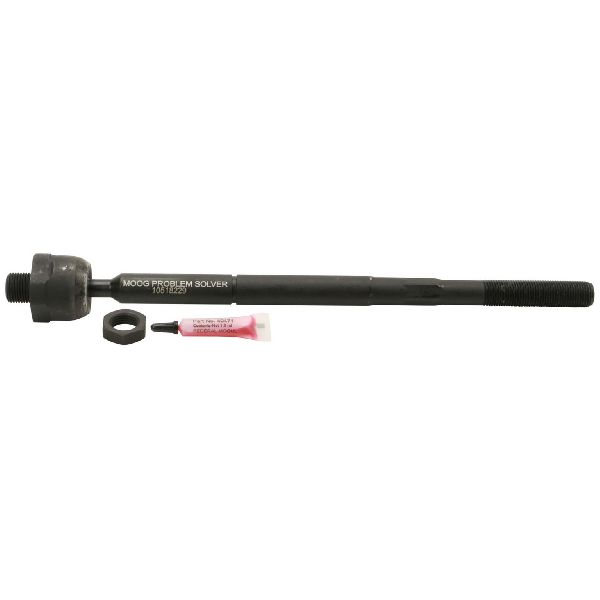
- Premium / Heavy-Duty (Best for Performance & Durability): Brands like Mevotech (TTX line) and Moog (Problem Solver line) are often built tougher than the original parts. They frequently feature stronger all-metal construction and greaseable fittings (zerks), which allow you to flush out old grease and contaminants, extending the part's life. These are excellent choices for high-horsepower models (R/T, Scat Pack, Hellcat) or if you want the most durable option.
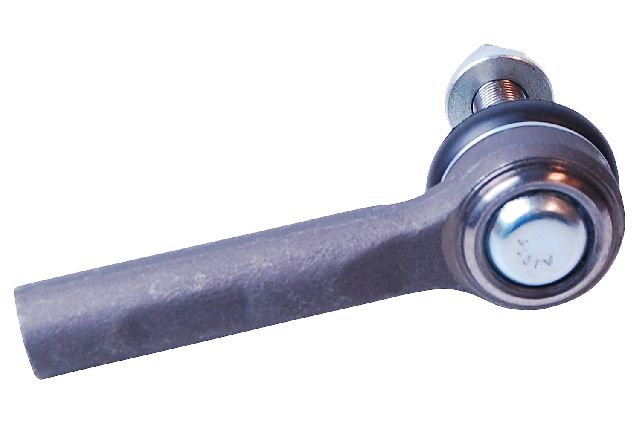
- OE-Quality (Reliable, Direct Replacement): Brands like Mopar (OEM), Delphi, and ACDelco offer quality that is comparable to the part your Charger came with from the factory. These are typically sealed units that do not require greasing. They are a solid, reliable choice for a daily driven SXT, GT, or Police model if you prefer a fit-and-forget part.
- Standard / Economy (Budget-Friendly): Brands like Dorman, QuickSteer, and other lower-priced options meet basic requirements and can be a good choice for a car with high miles or if you're on a tight budget. While functional, their lifespan may not match that of premium or OE-quality brands.
Pro Tip: It is highly recommended to replace outer tie rod ends in pairs (both left and right). If one has failed due to age and mileage, the other is likely not far behind. This ensures even steering response and saves you from having to do the job and another alignment soon after.
Known Issues, Recalls, or TSBs
Searches for recalls and Technical Service Bulletins (TSBs) did not find any specific tie rod end recalls for the 2012-2023 Dodge Charger models. While some recalls exist for tie rods on Dodge Ram trucks from a similar era, they do not apply to the Charger platform. A customer satisfaction campaign (Y51) was issued for some 2021 models for a steering gear issue, but this is unrelated to the tie rod ends.
Cost of Replacing Dodge Charger Tie Rod Ends
| Part / Service | Estimated Cost |
|---|---|
| New Aftermarket Outer Tie Rod End (Single) | $20 - $116 |
| New OEM (Mopar) Outer Tie Rod End (Single) | $100 - $200 |
| Shop Labor (Outer Tie Rods) | $100 - $225 |
| Wheel Alignment | $80 - $150 |
| Total Estimated Cost (Aftermarket Parts, Pair) | $220 - $500+ |
Frequently Asked Questions
Do I need to replace the inner and outer tie rods at the same time?
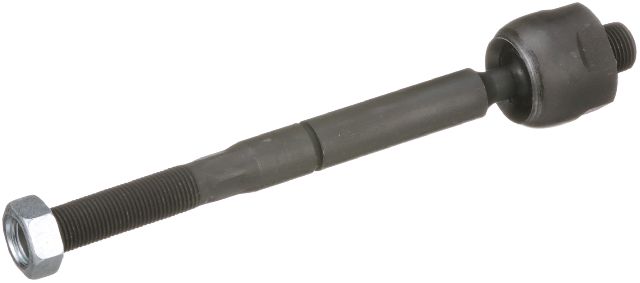
Not necessarily. The outer tie rod ends wear out more frequently. A mechanic can check the inner tie rods for play while replacing the outers. If the inners are tight, you only need to replace the outers. However, replacing both at once can save on labor costs if both show wear.
What's the difference between a greaseable and a sealed tie rod?
A sealed tie rod is lubricated for life at the factory, just like the OEM Mopar parts. A greaseable tie rod has a small fitting (a zerk) that allows you to add new grease periodically, which pushes out old grease and contaminants. This can extend the part's life but requires maintenance every oil change or so.
How do I know if the inner or outer tie rod is bad? 🎬 Watch: How to diagnose a bad inner tie rod
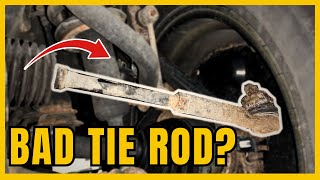
A mechanic can diagnose this by lifting the vehicle and checking for play. By grabbing the wheel at the 3 and 9 o'clock positions and shaking it, they can feel and see where the looseness is coming from. Play in the outer joint is usually visible at the wheel knuckle, while inner tie rod play feels deeper, closer to the center of the car.
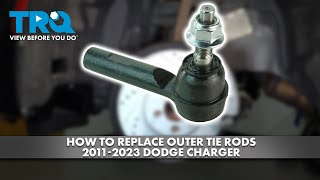
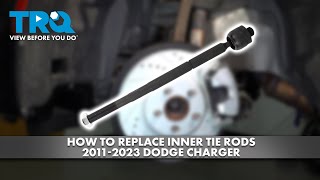
Can I do this replacement myself? 🎬 See this step-by-step outer tie rod replacement walkthrough
Yes, this is a DIY-feasible job for someone with mechanical experience and the right tools. You will need a good socket set, a torque wrench, a hammer, and possibly a tie rod end puller or pickle fork to separate the joint. Remember to count the threads when removing the old part to get a close initial alignment, but a professional alignment is still mandatory.
Helpful Videos

Technical Specifications
OEM Part Numbers: 68263727AB 68264314AA 68382397AB 68263724AB
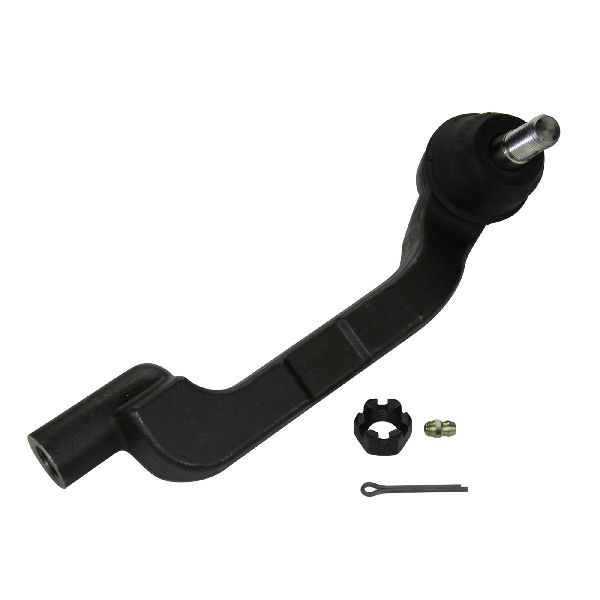
The Dodge Charger uses a rack and pinion steering system with one inner and one outer tie rod end per side. The outer tie rod end uses a ball-and-socket design to connect to the steering knuckle. Torque specs for the outer tie rod end nut are typically around 30-40 ft-lbs plus an additional 90-110 degree turn, but always verify with a service manual for your specific year and model.
We Have This Part in Stock

The information in this article is provided for general reference and educational purposes only. Vehicle specifications, procedures, and part compatibility can vary by production date, trim level, and region. Always consult your vehicle's factory service manual and verify part numbers before purchasing or performing repairs. Safety-critical components such as airbags, seat belts, and braking systems should be installed by a qualified professional.
- Dodge Charger:
- 🎬 Helpful Videos
- 🛍️ Shop This Part
- Is Your Charger's Steering Feeling Off? It Could Be the Tie Rods
- Symptoms of a Failing Tie Rod End
- Immediate Alignment Required
- Choosing the Right Aftermarket Tie Rod End
- Brand Quality Tiers
- Known Issues, Recalls, or TSBs
- Cost of Replacing Dodge Charger Tie Rod Ends
- Frequently Asked Questions
- 🎟️ Get 5% Off