

Ford Mustang Engine Coolant Bypass Hose: A Guide for 2012-2023 Models
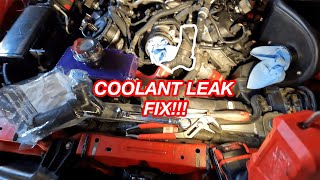
Coolant leaks and strange temperature readings on your Mustang could point to a failing bypass hose.
- The term 'bypass hose' can refer to several hoses; symptoms include leaks, overheating, and low coolant levels.
- Owners of 3.7L V6 models (2011-2014) should be aware of TSB 16-0074 regarding a specific hose and water pump issue.
- For 5.0L V8 engines, the O-ring in the upper radiator hose T-fitting is a very common and specific leak point.
- Gates is a reliable aftermarket alternative to OEM Motorcraft parts, offering quality materials designed for longevity.
Is Your Mustang's Coolant Bypass Hose Failing?
A bad coolant bypass hose can cause problems ranging from minor leaks to major engine trouble. Because these hoses are always circulating hot coolant, they can become hard, brittle, and crack over time. Watch for these common signs of failure.
Symptoms of a Bad Bypass Hose
- Coolant Puddles: You might see small puddles of orange or green fluid under your car. Depending on which hose is leaking, the puddle could be near the front or even toward the back of the engine.
- Low Coolant Light: A frequent need to top off your coolant reservoir is a sure sign of a leak somewhere in the system.
- Visible Hose Damage: Look for cracks, splits, or swelling on the rubber hoses. You may see crusty coolant residue around a leak point.
- Steam from Engine: If a hose splits while driving, you may see steam coming from under the hood as coolant sprays onto the hot engine.
- Engine Overheating: A significant coolant leak will cause the engine temperature gauge to climb into the red, which can lead to serious engine damage.
Check Engine Light: Code P0128
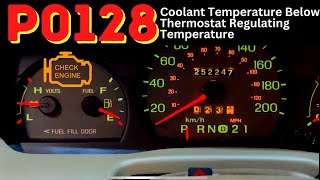
🎬 Watch: How to fix a P0128 engine code yourself.While not a direct symptom of a hose leak, the code P0128 (Coolant Temperature Below Thermostat Regulating Temperature) is common on these Mustangs. It usually means the thermostat is stuck open, causing the engine to warm up too slowly. Since you'll be working on the cooling system anyway, this is the perfect time to inspect all your coolant hoses, including the bypass hose, for wear and tear.
Known Issues for 2012-2023 Ford Mustangs
Certain Mustang models have known issues related to coolant hoses:
- 2011-2014 3.7L V6 (TSB 16-0074): Some of these models may experience a coolant pump leak. A Technical Service Bulletin (TSB) was issued that involves replacing the coolant pump and the degas bottle hose with an updated part to prevent air from entering the system.
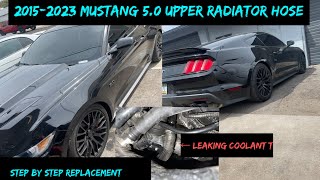
- 2015+ 5.0L V8 (Coyote): A very common leak source is the small O-ring inside the plastic 'T-fitting' that connects the upper radiator hose to smaller bypass hoses. The O-ring can develop a flat spot over time, causing a slow drip that is most noticeable after the engine has cooled down. 🎬 See this step-by-step 5.0L upper radiator hose replacement guide.
Choosing a Replacement: OEM vs. Aftermarket
When replacing a coolant hose, you have a choice between original Ford parts (Motorcraft) and aftermarket brands like Gates.
- OEM (Motorcraft): This is the part your Mustang came with from the factory. It guarantees a perfect fit and meets Ford's quality standards. For complex molded hoses with specific fittings, OEM is often the safest and easiest choice.
- Aftermarket (Gates): Gates is a well-respected brand that produces high-quality, OE-equivalent parts. Their hoses are made from durable EPDM rubber, which is specifically designed to resist electrochemical degradation—the number one cause of hose failure. For a standard bypass or heater hose, a Gates replacement offers reliable performance, often at a lower cost than OEM.
Pro Tip: Always replace the hose clamps when you replace a coolant hose. Old clamps can lose their tension and may not provide a proper seal on the new hose, leading to frustrating leaks.
Frequently Asked Questions
What is the difference between a bypass hose and a heater hose?
A heater hose is a type of bypass hose. The term 'bypass hose' is general and refers to any hose that circulates coolant while bypassing the radiator. This includes the hoses going to and from your heater core, which provides heat to the cabin.
🎬 Watch: How to replace heater hoses on a 3.7L Mustang.Can I drive my Mustang with a leaking coolant hose?
It is not recommended. A small leak can turn into a major failure without warning, leading to rapid coolant loss and severe engine overheating. It's best to get the vehicle to a repair shop immediately.
Why is my new hose leaking?
If a new hose is leaking, the most common reasons are an improperly seated hose, a damaged sealing surface on the engine or radiator, or a worn-out or incorrectly tightened hose clamp. Ensure the connection point is clean and always use new clamps for the best seal.
Can I just block off the bypass hose?
No, you should not block off the coolant bypass hose. It is essential for proper engine warm-up and for ensuring there is always coolant flow for the water pump. Blocking it can cause hot spots in the engine, prevent the thermostat from opening correctly, and potentially lead to water pump damage.
Helpful Videos

![How to Fix FORD P0128 Engine Code in 3 Minutes [2 DIY Methods / Only $7.34]](https://img.youtube.com/vi/nUD6fDJpoV4/mqdefault.jpg)
Technical Specifications
OEM Part Numbers: BR3Z-8501-N AG9Z-8597-A FR3Z8005J
Material: EPDM (Ethylene Propylene Diene Monomer) Rubber. Construction: Molded to OEM specifications. Resistance: Engineered to resist electrochemical degradation, heat, and ozone.

The information in this article is provided for general reference and educational purposes only. Vehicle specifications, procedures, and part compatibility can vary by production date, trim level, and region. Always consult your vehicle's factory service manual and verify part numbers before purchasing or performing repairs. Safety-critical components such as airbags, seat belts, and braking systems should be installed by a qualified professional.
- Ford Mustang: