

Guide to Replacing Disc Brake Pads on Your 2012-2023 Kia Rio
Choosing the right brake pads for your Rio is crucial for safety and performance; here's what you need to know.
- Common signs of failure include squealing, grinding, and a vibrating brake pedal.
- Check for open recalls on the NHTSA website, as certain Rio models have brake-related safety recalls.
- For most drivers, quality ceramic aftermarket pads from brands like Bosch, Wagner, or Powerstop offer the best mix of performance and value.
- Always replace brake hardware with your new pads and consider replacing rotors for the best results.
Is it Time for New Brake Pads? Common Symptoms for Kia Rio Owners

Your Kia Rio will give you clear signs when its brake pads are wearing thin. Ignoring them can lead to more expensive repairs, like needing to replace the brake rotors, too. Watch out for these warning signs:
- High-Pitched Squealing: This is often the first sign. Most brake pads have a small metal tab called a wear indicator. When the pad is almost worn out, this tab scrapes against the rotor, making a loud squeal to alert you.
- Grinding Noise: If you hear a harsh, metallic grinding sound when you brake, it's a critical warning. This usually means the brake pads are completely worn away, and the metal backing plate is grinding against the rotor. This can cause serious damage and significantly reduce your stopping ability.
- Vibrations or Pulsing: If you feel a shaking or pulsing in the brake pedal or steering wheel when you stop, it could mean your brake rotors have been warped by heat from worn pads.
- Longer Stopping Distance: If you notice your Rio takes longer to stop than it used to, your brake pads may be too worn to create enough friction.
- Pulling to One Side: If the car pulls to the left or right when you brake, it could mean the brake pads are wearing unevenly or there's an issue with a brake caliper.
Important Safety Recalls
There are two notable recalls for the 2012-2023 Kia Rio braking system. A recall for 2012-2017 Rio models involves the Hydraulic Electronic Control Unit (HECU), which could short circuit and increase fire risk. Another recall for 2020-2021 Rio models concerns a brake master cylinder that could cause reduced braking performance. You can check if your specific vehicle is affected by entering your VIN on the NHTSA website.
Choosing the Right Aftermarket Brake Pads for Your Rio

You don't have to buy original parts from the dealer. Aftermarket pads often provide better performance or value. They generally fall into three categories:
Tier 1: Economy & Value
These are for the driver who needs a reliable, low-cost solution for daily driving. They meet safety standards but may not be as quiet or last as long as more expensive options.
- Brands: Dynamic Friction, Pronto, Total Stopping Solutions, Raybestos
- Best For: Budget-conscious owners and typical city/highway commuting.
Tier 2: Daily Driver (OEM-Quality)
This is the most popular category, offering a great balance of performance, low noise, and durability. Many of these pads are made from ceramic, which reduces brake dust and noise. These are comparable to, or sometimes better than, the pads your Rio came with from the factory.
- Brands: Bosch, Wagner Brakes, Centric, Beck Arnley, Akebono
- Best For: The majority of Rio owners looking for a high-quality, dependable replacement.
Tier 3: Performance & Heavy-Duty
If you want improved stopping power, better fade resistance during heavy braking, or a more aggressive brake feel, this tier is for you. These are great for spirited driving or if you simply want the best braking performance possible.
- Brands: Powerstop, EBC Brakes, Brembo
- Best For: Enthusiast drivers or those who want a noticeable upgrade in braking performance.
Pro Tip: Many Kia Rio owners in online forums note that the rear brake pads can sometimes wear out faster than the fronts, which is something to keep an eye on. Also, when replacing pads, it's a good idea to clean and lubricate the caliper slide pins to prevent sticking and uneven wear.
| Item | Estimated Cost |
|---|---|
| New Aftermarket Brake Pad Set | $29 - $84 |
| New OEM Brake Pad Set | $75 - $200 |
| Shop Labor | $71 - $104 |
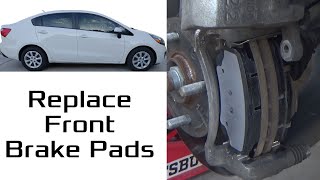
| Total Professional Installation (Aftermarket Parts) 🎬 Watch this step-by-step guide to replacing your own front brake pads. | $150 - $320 |
Frequently Asked Questions

Do I need to replace my rotors at the same time as my pads?
Not always, but it's highly recommended. If your rotors are below the minimum thickness specified by the manufacturer, or if they are warped (causing a pulsation), they must be replaced. Installing new pads on old, worn rotors can reduce braking performance and cause noise.
What's the difference between ceramic and semi-metallic pads for my Rio?
Ceramic pads are known for being quiet, producing less dust, and offering good, consistent performance for daily driving. Semi-metallic pads can offer better performance in extreme temperatures but are often noisier and produce more dust. For most Rio drivers, ceramic pads from a quality brand like Bosch, Akebono, or Powerstop are an excellent choice.
What are those little metal clips that come with the new pads?
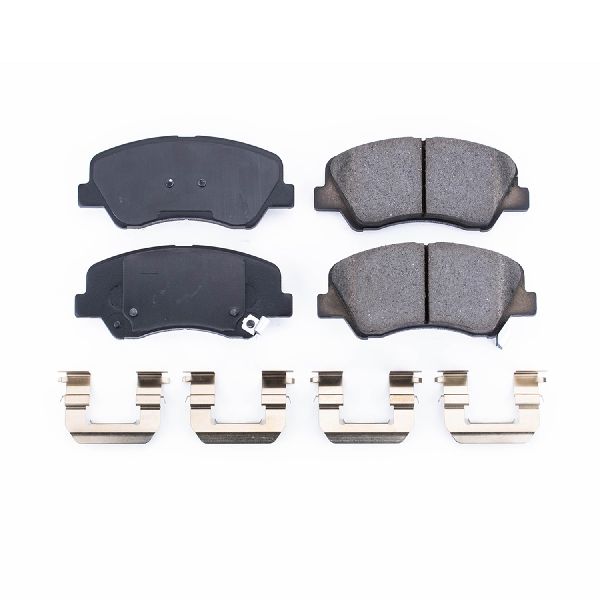
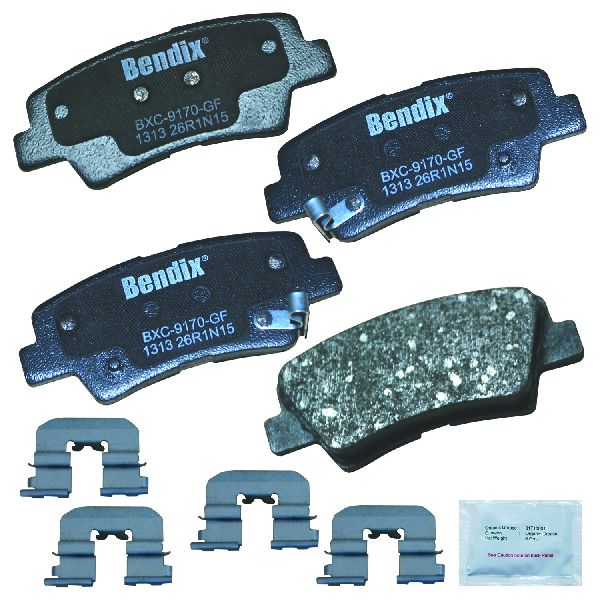
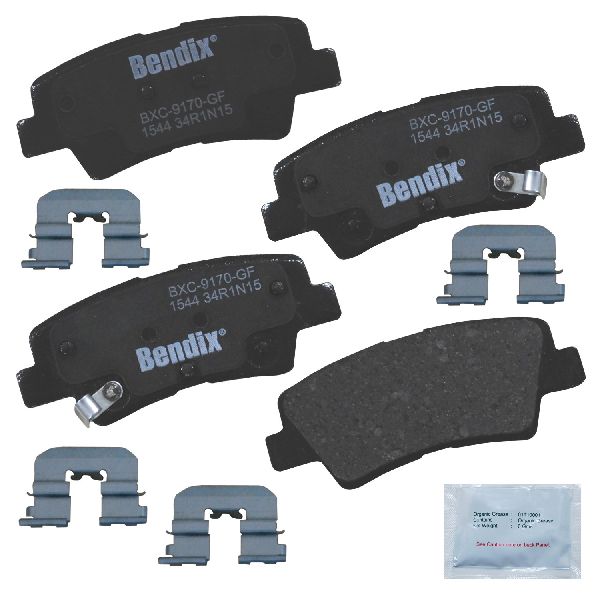
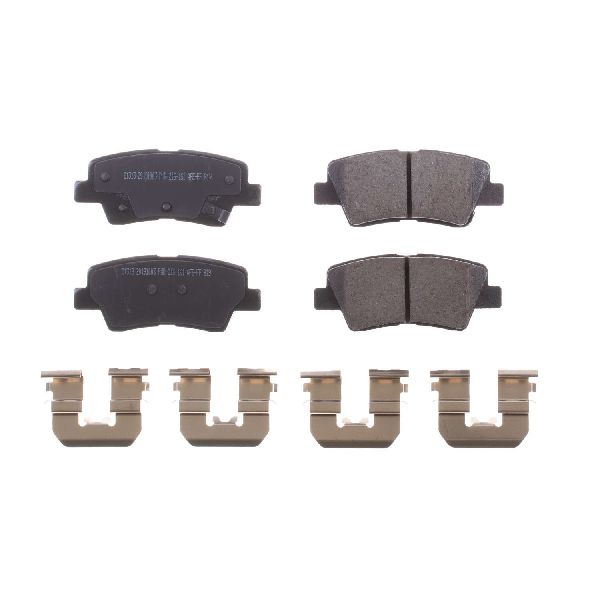
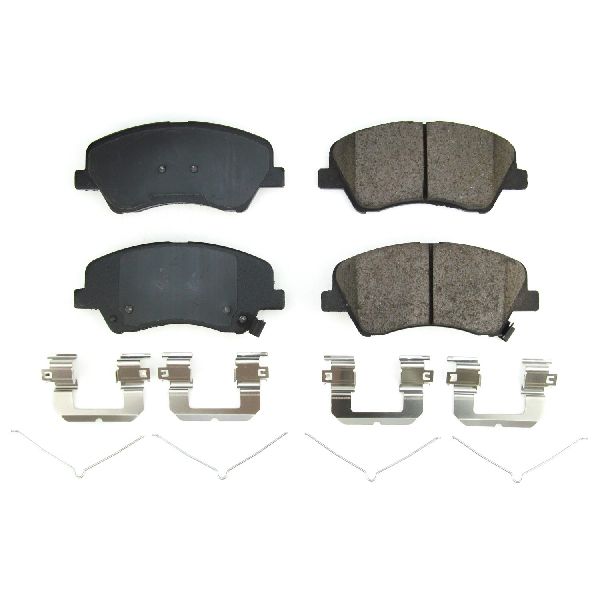
That is the brake hardware. These clips help the pads slide smoothly and reduce noise and vibration. It is critical to replace the hardware every time you replace the pads to ensure proper function and prevent noise.
How long should brake pads last on a 2012-2023 Kia Rio?
The lifespan of brake pads varies greatly depending on your driving habits, but you can typically expect them to last between 30,000 and 70,000 miles. If you do a lot of city driving with frequent stops, they will wear out faster.
Helpful Videos
Technical Specifications
Brake pad replacement is typically done per axle (front or rear). Some 2012-2023 Rio models may be fitted with different sized front brake discs (256mm vs 280mm), so it's important to verify which size your vehicle has before ordering parts.
We Have This Part in Stock

The information in this article is provided for general reference and educational purposes only. Vehicle specifications, procedures, and part compatibility can vary by production date, trim level, and region. Always consult your vehicle's factory service manual and verify part numbers before purchasing or performing repairs. Safety-critical components such as airbags, seat belts, and braking systems should be installed by a qualified professional.
- Kia Rio:
- 🎬 Helpful Videos
- 🛍️ Shop This Part
- Is it Time for New Brake Pads? Common Symptoms for Kia Rio Owners
- Important Safety Recalls
- Choosing the Right Aftermarket Brake Pads for Your Rio
- Tier 1: Economy & Value
- Tier 2: Daily Driver (OEM-Quality)
- Tier 3: Performance & Heavy-Duty
- Frequently Asked Questions
- 🎟️ Get 5% Off