

Chevrolet Express 2500 (2012-2024) Oxygen Sensor Replacement Guide
Keep your work van running efficiently by understanding when and how to replace its oxygen sensors.
- A Check Engine Light with codes like P0135 or P0155 is a strong indicator of a failed O2 sensor.
- Always inspect the wiring harness for melting or damage near the exhaust before replacing the sensor.
- Use a direct-fit sensor from a reputable brand like ACDelco, Denso, or NGK/NTK for best results.
- Using penetrating oil and a special O2 sensor socket will make the replacement job much easier.
Is Your Express Van Trying to Tell You Something?
A failing oxygen sensor (O2 sensor) won't leave you stranded, but it will cause noticeable problems. Ignoring a bad O2 sensor can lead to reduced fuel efficiency, poor engine performance, and can eventually damage your expensive catalytic converter. For a workhorse like the Express 2500, keeping it in top shape is key to staying on the road and on the job.
Symptoms of a Failing Oxygen Sensor
Your van will usually let you know when an O2 sensor is on its way out. Here are the most common signs:
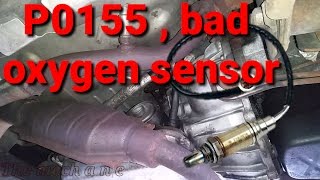
- Check Engine Light: This is the most common indicator. A scan tool will often show codes related to the O2 sensor's heater circuit or its performance, such as P0135, P0155, or codes 🎬 Watch how to diagnose and fix these O2 sensor codes. indicating a slow response.
- Poor Fuel Economy: If the sensor provides incorrect data, the engine may run too rich (using too much fuel), causing you to visit the gas station more often.
- Rough Idle or Misfires: An incorrect air-fuel mixture can cause the engine to run rough, hesitate, or misfire.
- Failed Emissions Test: A bad O2 sensor is a common reason for failing a smog check.
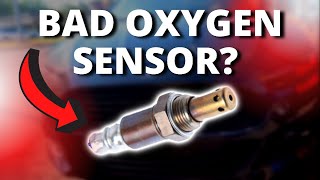
- Foul Odor: A rich-running engine can produce a rotten egg smell from the exhaust, which is unburned fuel passing through the system. 🎬 See a visual guide on common bad oxygen sensor symptoms.
Known Issue: Melted Wiring
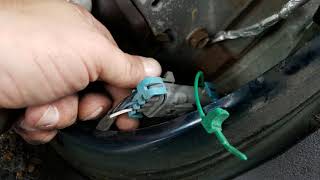
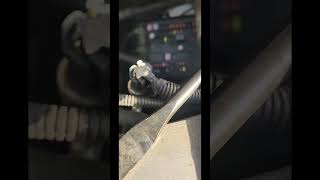
A common problem found on these vans is the O2 sensor wiring harness coming into contact with the hot exhaust pipe. This can melt the wiring, causing a short and blowing a fuse. Before replacing a sensor, always inspect the wiring for damage, as a new sensor won't fix a wiring problem.
🎬 Check out this video showing common Express 2500 wiring issues.Choosing the Right Aftermarket O2 Sensor
You don't have to buy the OEM part from the dealer to get your van running right again. Many aftermarket brands offer excellent quality, often from the same factories that make the original part. Here’s how they generally stack up for your Express van:
Tier 1: OEM-Equivalent Quality
These brands are often the original equipment manufacturers for General Motors. They offer a direct fit and performance you can trust.
- ACDelco: As GM's own parts brand, this is the closest you can get to the original part that came on your van.
- Denso: A highly respected OEM supplier for many automakers, including GM. Forum users and mechanics often recommend Denso as a top-quality alternative to ACDelco, sometimes noting it's the same part in a different box.
- NGK (NTK): NGK, which markets its sensors under the NTK brand, is another premier OEM supplier known for its quality and reliability.
Tier 2: Reliable Aftermarket Choices
These brands provide a good balance of quality and value. They are dependable options for a daily driver or work vehicle.
- Bosch: A massive auto parts manufacturer. While they make quality sensors, some GM owners in forums report occasional out-of-the-box issues. However, many use them without any problems. Ensure you get a direct-fit model, not a universal one.
- Delphi: Another former GM parts division, Delphi produces reliable sensors that are often considered an OEM-level choice.
Tier 3: Budget-Friendly Options
These brands can get the job done if you're on a tight budget, but their lifespan and performance might not match the higher-tier brands.
- Walker Products, Spectra, DriveWire: These offer a lower price point but may not have the same long-term durability as the OEM suppliers.
Pro Tip: Upstream vs. Downstream
Your Express 2500 has multiple O2 sensors. "Upstream" sensors (also called Bank 1 Sensor 1 or Bank 2 Sensor 1) are before the catalytic converter and are crucial for adjusting the air-fuel ratio. "Downstream" sensors (Bank 1 Sensor 2, etc.) are after the cat and primarily monitor its efficiency. Upstream sensors do more work and tend to fail more often. Always make sure you are buying the correct sensor for the specific location.
Cost to Replace Chevrolet Express 2500 Oxygen Sensors
| Part/Service | Estimated Cost |
|---|---|
| New Aftermarket O2 Sensor | $35 - $195 per sensor |
| Shop Labor | $80 - $150 per sensor |
| Total DIY Cost | $35 - $195 per sensor |
| Total Professional Replacement | $115 - $345 per sensor |
Prices are estimates and can vary based on your location, the specific sensor, and your vehicle's condition.
Frequently Asked Questions
How many oxygen sensors does my Express 2500 have?
Most V8-equipped Express vans from this era have four oxygen sensors: one upstream and one downstream sensor for each engine bank (left and right). Always verify the exact number for your specific year and engine configuration.
Can I replace just the one bad O2 sensor?
Yes, you can replace only the failed sensor. However, since O2 sensors have a finite lifespan (typically 60,000 to 90,000 miles), it's often good practice to replace them in pairs (e.g., both upstream sensors at the same time) to ensure balanced engine performance.
Is replacing an O2 sensor a DIY job?
Yes, for someone with basic mechanical skills. The main challenge is often the sensor being seized in the exhaust pipe due to rust and heat cycles. Using a generous amount of penetrating oil and a special O2 sensor socket is highly recommended. The job is easier when the exhaust is slightly warm (not hot!).
What tools do I need to replace an O2 sensor?
You will need a ratchet, penetrating oil, and a specialized oxygen sensor socket. This socket has a slit on the side to accommodate the sensor's wire. You may also need anti-seize compound for the new sensor's threads if it doesn't come pre-applied.
Should I use a universal sensor or a direct-fit sensor?
Always choose a direct-fit sensor. Universal sensors require you to cut and splice wires, which can create a point of failure. A direct-fit sensor has the correct plug to connect directly to your van's harness, making the job much easier and more reliable.
Helpful Videos
Technical Specifications
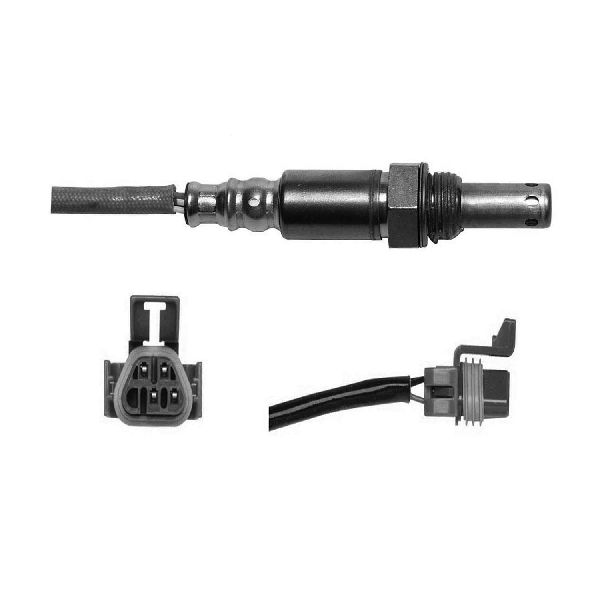
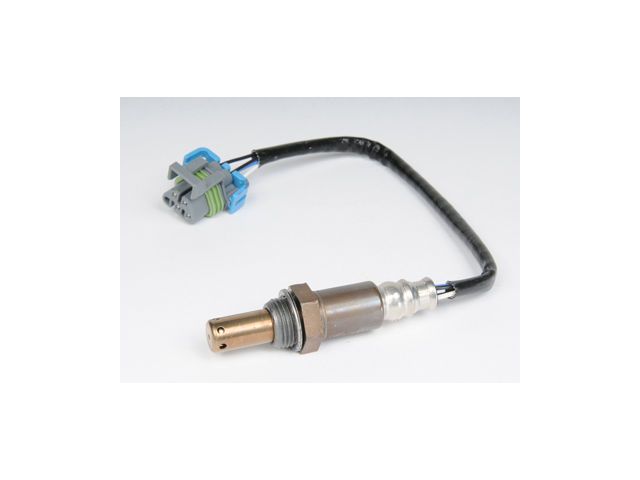
OEM Part Numbers: 12666612 12670253 213-4246 12612571
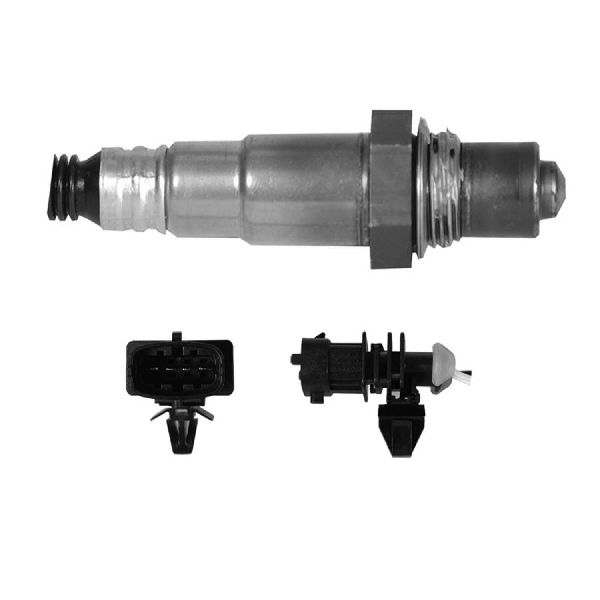
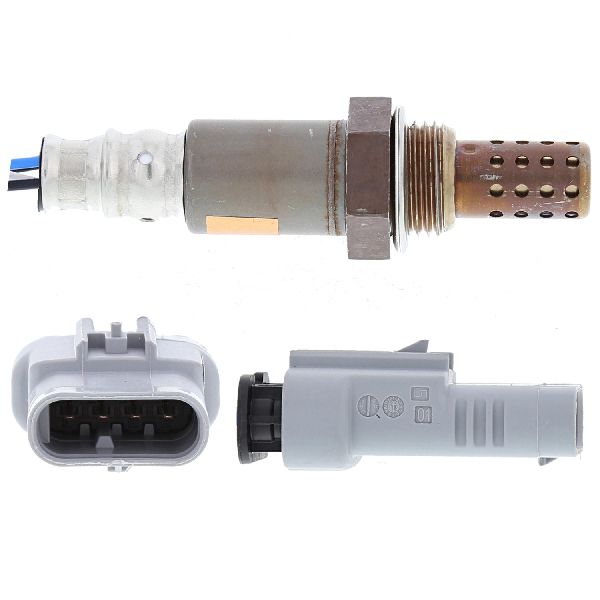
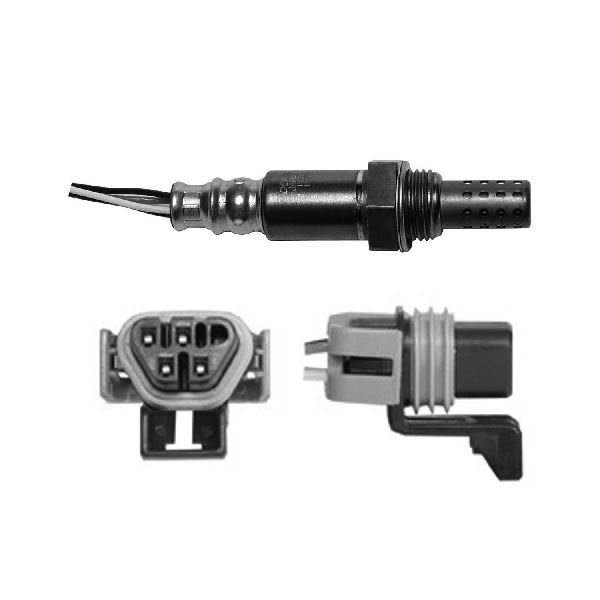
Most models use a 4-wire heated oxygen sensor. The number of sensors is typically four (two upstream, two downstream) for V8 engines.
We Have This Part in Stock


The information in this article is provided for general reference and educational purposes only. Vehicle specifications, procedures, and part compatibility can vary by production date, trim level, and region. Always consult your vehicle's factory service manual and verify part numbers before purchasing or performing repairs. Safety-critical components such as airbags, seat belts, and braking systems should be installed by a qualified professional.
- Chevrolet Express 2500:
- 🎬 Helpful Videos
- 🛍️ Shop This Part
- Is Your Express Van Trying to Tell You Something?
- Symptoms of a Failing Oxygen Sensor
- Known Issue: Melted Wiring
- Choosing the Right Aftermarket O2 Sensor
- Tier 1: OEM-Equivalent Quality
- Tier 2: Reliable Aftermarket Choices
- Tier 3: Budget-Friendly Options
- Pro Tip: Upstream vs. Downstream
- Cost to Replace Chevrolet Express 2500 Oxygen Sensors
- Frequently Asked Questions
- 🎟️ Get 5% Off