

Ford F-150 (2012-2024) Engine Valve Lifter & Ticking Noise Guide
Understand the difference between a normal F-150 engine tick and a true valve lifter problem.
- Distinguish between the normal 'typewriter tick' (per Ford TSB 52334) and a loud, problematic lifter failure before seeking repairs.
- Due to extremely high labor costs, always use high-quality aftermarket (INA, Melling) or OEM parts to avoid repeat failures.
- It is highly recommended to replace all hydraulic lash adjusters and roller finger followers at the same time, not just the one that failed.
- Lifter failure is often caused by oil-related issues; stick to a strict oil change schedule with high-quality oil and filters.
Understanding Your F-150's Valvetrain Noise

If you own a 2012-2024 Ford F-150, especially with a 5.0L Coyote V8, you may have heard a ticking or tapping sound from the engine. This noise can be alarming, but it's important to know that it isn't always a sign of a major problem. Some light ticking noises are considered normal for these engines.
Is It the 'Typewriter Tick'? Check Before You Repair.
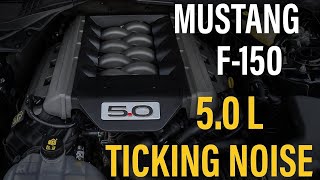
Ford has released several Technical Service Bulletins (TSBs) and Special Service Messages (SSMs), including SSM 52334, for 2011-2024 F-150 and Mustang models with the 5.0L engine. These bulletins address a light, rhythmic ticking noise often called the 'typewriter tick'. 🎬 Watch: Hear the official Ford typewriter tick sound explained. According to Ford, this noise is a normal operating characteristic of the engine and does not affect durability or performance. Dealers are instructed not to perform repairs for this specific sound. If your truck runs smoothly without a check engine light, you may be hearing this normal engine sound.
When a Ticking Noise IS a Problem

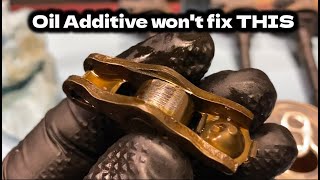
A normal tick is one thing, but a failing lifter (HLA) or roller follower will cause more severe symptoms. A loud, persistent tapping or clacking noise that gets worse with engine speed, a rough idle, engine misfires, or a Check Engine Light are all signs 🎬 See what a loud, failing rocker sounds like in person. that a valvetrain component has failed. Ignoring these symptoms can lead to serious engine damage, as a broken part can fall into the engine.
Choosing the Right Aftermarket Lifters for Your F-150

Replacing lifters is a labor-intensive job, meaning you'll spend much more on labor than on the parts themselves. Because of this, choosing a high-quality, reliable part is critical to avoid doing the job twice. Here’s a breakdown of available aftermarket brand tiers:
- INA: INA is a major supplier of valvetrain components to automakers, including Ford. Choosing INA is the closest you can get to buying the original factory part. They offer OEM-level fit, quality, and durability.
- Melling: Melling has a strong reputation in the aftermarket for high-quality oil pumps and valvetrain components. They are often considered a premium choice, providing reliability that meets or exceeds OEM standards, making them a solid option for a long-lasting repair.
- Sealed Power: As a long-standing brand in the aftermarket, Sealed Power provides reliable, standard-quality replacement parts. They are a dependable choice for owners looking for a cost-effective solution that still meets standard performance requirements.
Pro Tip: Given the high labor cost for this repair, it is strongly recommended to replace all lifters and roller followers at the same time, even if only one has failed. This prevents you from having to tear down the engine again if another original lifter fails soon after.
Frequently Asked Questions (FAQ)

What causes valve lifters to fail in an F-150?
The most common causes of lifter failure are related to motor oil. Infrequent oil changes, using the wrong type of oil, low oil levels, or a cheap oil filter that restricts flow can all lead to contamination and wear. High mileage and normal wear and tear can also cause the internal parts of the hydraulic lash adjuster to fail.
Is there a recall for valve lifter issues on the 2012-2024 F-150?
No, there is no specific recall for valve lifters or hydraulic lash adjusters on the 5.0L V8 engine. There was a recall (NHTSA 24V-635) for some 2021-2022 F-150s, but it concerned faulty intake valves on the 2.7L and 3.0L EcoBoost engines, not the 5.0L.
Can I just use an oil additive to fix a ticking lifter?
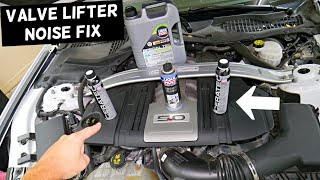
Some owners report that additives like Liqui Moly can quiet a noisy lifter by cleaning out sludge and improving oil flow. This can be a temporary fix or a good first step if the noise is minor. However, if the lifter is mechanically damaged or collapsed, no additive will fix it, and replacement is the only solution.
What is a 'roller finger follower' and does it fail?
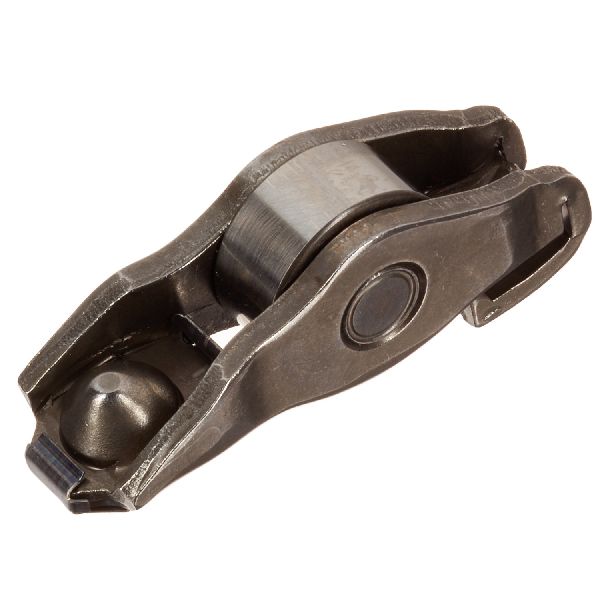
The roller finger follower is the part that sits between the camshaft and the valve. The 5.0L Coyote engine is known to sometimes have the bearings in these rollers fail, which can cause a knocking noise and damage the camshaft. When replacing the hydraulic lash adjusters (lifters), it is highly recommended to inspect and replace the roller followers as well.
Helpful Videos
Technical Specifications
OEM Part Numbers: 4S7Z-6500-A
Hydraulic Lash Adjuster (HLA)
We Have This Part in Stock


The information in this article is provided for general reference and educational purposes only. Vehicle specifications, procedures, and part compatibility can vary by production date, trim level, and region. Always consult your vehicle's factory service manual and verify part numbers before purchasing or performing repairs. Safety-critical components such as airbags, seat belts, and braking systems should be installed by a qualified professional.
- Ford F-150: