

Ford Mustang Suspension Stabilizer Bar Link Kit Guide (2012-2024)
Address clunking noises and improve your Mustang's handling by understanding when and how to replace your stabilizer bar links.
- A clunking noise over bumps is the number one sign of a bad stabilizer bar link on a Mustang.
- Replace links in pairs (both front or both rear) to maintain balanced handling.
- If your Mustang is lowered, choose adjustable aftermarket links to correct suspension geometry.
- Properly torque the link nuts while the suspension is loaded to prevent noise and premature failure.
Is a Worn Stabilizer Link a Problem?
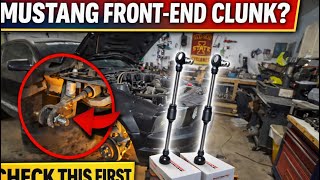
A failing stabilizer bar link isn't just an annoying noise; it's a key suspension part that has worn out. The factory links on the 2012-2024 Mustang can wear, especially the ball joints inside them. This can cause a clunking or knocking sound 🎬 Watch: How to diagnose a mysterious front end clunk. as you drive over bumps. While a worn link won't typically cause a catastrophic failure, it will make your Mustang's handling feel less sharp and can lead to increased body roll in turns. Some owners report that the original factory links don't last very long, with joints failing and causing noise. Ignoring it can also put extra stress on other suspension parts.
Choosing the Right Aftermarket Stabilizer Link Kit
When replacing your Mustang's stabilizer bar links, you have several aftermarket options that can offer different levels of performance and durability compared to the original equipment (OEM) parts.
| Brand Tier | Description | Best For |
|---|---|---|
| Economy (Dorman, Mevotech) | These brands provide a cost-effective replacement that meets basic requirements. They are a good choice for daily driving and restoring factory handling. While generally considered budget-friendly, some users have noted inconsistencies. Dorman is often seen as a standard replacement, while Mevotech aims to balance quality and affordability. | Daily drivers and budget-conscious repairs. |
| Heavy-Duty / Performance (Whiteline) | Whiteline offers adjustable and heavy-duty links designed for performance driving and lowered vehicles. These links are built with stronger materials and often feature polyurethane bushings for a more direct feel. They allow you to adjust the sway bar preload, which is important for cars with modified suspension heights to ensure the sway bar works correctly. | Lowered Mustangs, track use, and performance enthusiasts. |
Pro Tip: Adjustable vs. Standard Links
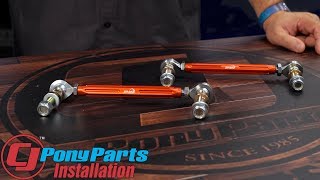
If your Mustang is lowered, adjustable sway bar links are highly recommended. Lowering the car changes the suspension geometry, and standard-length links can put the sway bar in a bind, reducing its effectiveness. Adjustable links allow you to correct the angle and eliminate any preload 🎬 See how to install adjustable front sway bar links. for optimal handling.
Known Issues, Recalls, and TSBs
As of now, there are no specific recalls or Technical Service Bulletins (TSBs) from Ford or the NHTSA directly for the suspension stabilizer bar links on 2012-2024 Mustangs. However, clunking noises from the suspension are a common complaint among owners. Often, this noise is traced back to worn sway bar end links or their bushings. In some cases, the nuts on the end links can come loose, requiring re-tightening to the correct torque specification. There have been recalls for other Mustang suspension components, like the rear suspension knuckles on some 2024 models, but not the links themselves.
Frequently Asked Questions (FAQ)
Do I need to replace both front or rear links at the same time?
Yes, it is highly recommended to replace stabilizer links in pairs (both front or both rear). Because they wear at a similar rate, replacing only one can lead to unbalanced handling. The new link will be stiff while the old one remains loose, preventing the sway bar from working as designed.
What's the difference between a sway bar link and a sway bar bushing?
The sway bar links (or end links) connect the ends of the sway bar to the suspension components near the wheels. The sway bar bushings are rubber or polyurethane mounts that hold the center section of the sway bar to the vehicle's frame. A clunking noise often points to bad links, while a lower-pitched thud or squeak can indicate worn bushings.
🎬 Watch this walkthrough on replacing front end links and bushings.Are aftermarket links better than the Ford OEM parts?
It depends on your needs. For a standard daily driver, OEM or a quality equivalent like Dorman or Mevotech will restore original performance. For lowered or performance-driven Mustangs, heavy-duty, adjustable aftermarket links from brands like Whiteline are a significant upgrade, offering better durability and the ability to fine-tune your suspension. Some owners find the original factory links wear out prematurely.
Why are my new aftermarket links making noise?
Noise after installing new links is often due to improper installation. The most common cause is not tightening the nuts sufficiently, as the ball joint stud can spin. It's crucial to use a wrench to hold the stud while tightening the nut. Another reason could be that the suspension was not under load (sitting on its wheels) when the bolts were torqued, which can cause binding. If you installed polyurethane bushings, they must be properly greased to prevent squeaking.
Helpful Videos
Technical Specifications
OEM Part Numbers: BR3Z5K483B 4R3Z5K483AA 6R3Z5K483A 7R3Z5K483B 8R3Z5K483A
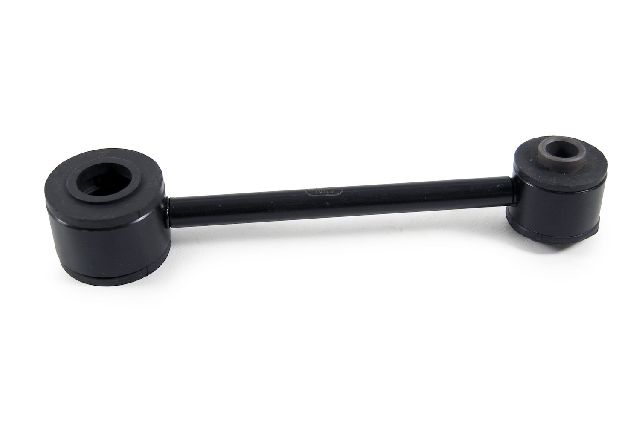
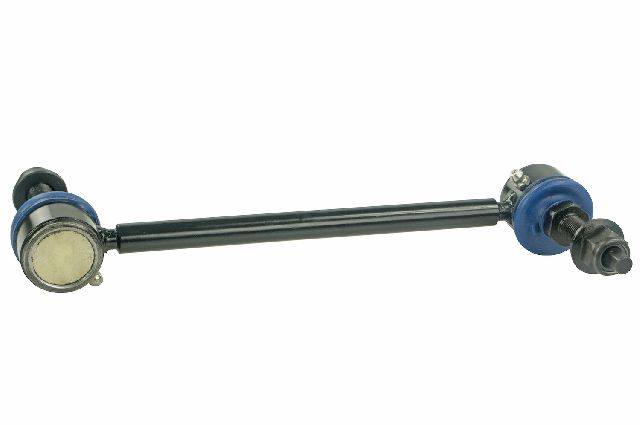
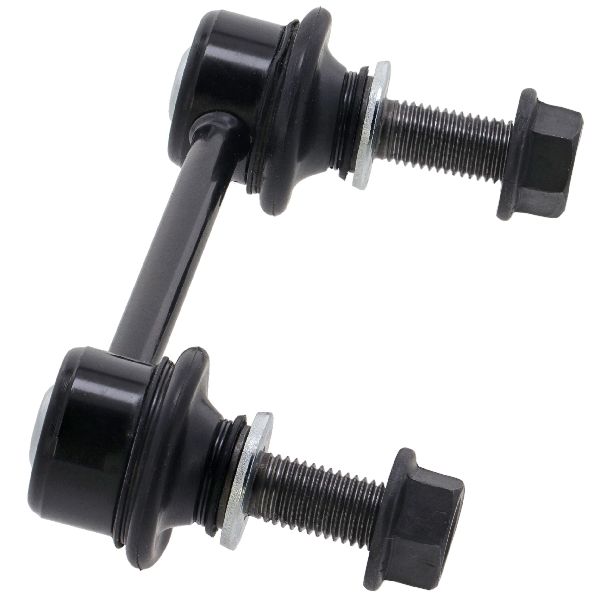
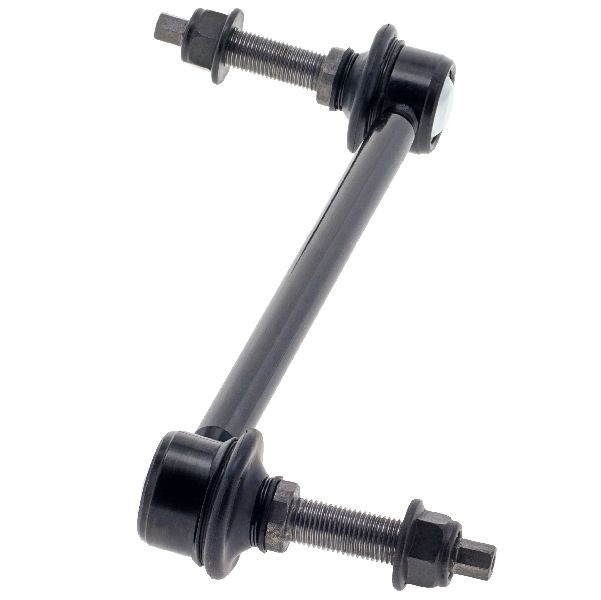
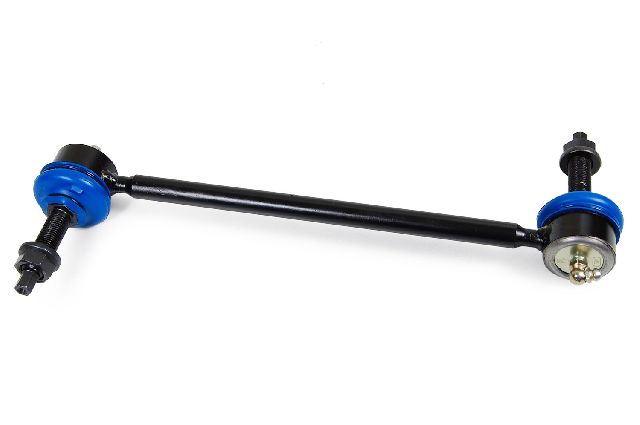
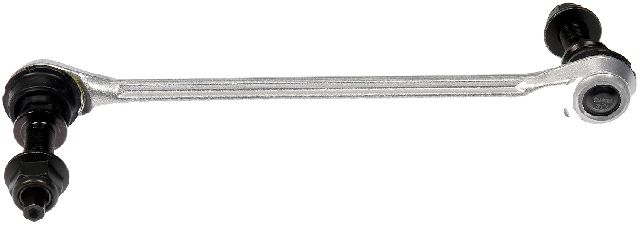
The kit consists of a metal rod with a ball joint at each end. The joints are protected by rubber or polyurethane boots. Aftermarket versions may be adjustable in length and use polyurethane bushings for increased stiffness.
We Have This Part in Stock

The information in this article is provided for general reference and educational purposes only. Vehicle specifications, procedures, and part compatibility can vary by production date, trim level, and region. Always consult your vehicle's factory service manual and verify part numbers before purchasing or performing repairs. Safety-critical components such as airbags, seat belts, and braking systems should be installed by a qualified professional.
- Ford Mustang: