

Hyundai Sonata Oxygen Sensor Guide for 2012-2024 Models
Is a faulty oxygen sensor causing your Sonata's check engine light and poor gas mileage?
- A bad oxygen sensor will turn on the check engine light and decrease fuel economy.
- Ignoring a failing O2 sensor can lead to expensive catalytic converter damage.
- For best results, choose a direct-fit sensor from an OEM-equivalent brand like Denso or NGK.
- Most non-turbo Sonatas have two sensors; the upstream (Sensor 1) fails most often.
Is Your Sonata's Oxygen Sensor Failing?

A bad oxygen sensor sends wrong information to your engine's computer, leading to an incorrect air-fuel mixture. This causes noticeable problems with how your car drives. 🎬 Watch: Top symptoms of a bad oxygen sensor you shouldn't ignore. Ignoring these signs can lead to more expensive repairs, like a damaged catalytic converter, which can cost a lot to replace.
Choosing the Right Aftermarket Oxygen Sensor

You don't need to buy the most expensive OEM sensor from a dealer. High-quality aftermarket brands offer the same performance for less money. For a critical part like an O2 sensor, it's best to stick with brands known for their quality and reliability. Always choose a "direct-fit" sensor with the correct electrical connector to avoid installation headaches.
Brand Quality Tiers for Hyundai Sonata
- Top Tier (OEM Equivalent): Brands like Denso and NGK (also sold as NTK) are often the original equipment manufacturers for Hyundai. Choosing one of these is the safest bet for factory-level performance and longevity. Mando is also a known OE supplier for Hyundai parts and is a reliable choice.
- Reputable Aftermarket: Bosch invented the modern oxygen sensor and is a world-renowned brand known for quality and performance. Walker Products is another well-regarded aftermarket brand that offers a good balance of quality and price, with many users reporting positive experiences.
- Value Brands: Brands like DriveWire, Encore Automotive, and Facet are budget-friendly options. While they can work, for a sensitive component like an oxygen sensor, investing in a top-tier or reputable brand is often recommended to avoid potential issues like false check engine lights or premature failure.
Pro Tip: Most non-turbo Sonatas (like those with the 2.4L engine) have two oxygen sensors. The upstream sensor (Bank 1, Sensor 1) is located before the catalytic converter and fails more often because it's exposed to higher heat. The downstream sensor (Bank 1, Sensor 2) is after the catalytic converter and monitors its efficiency.
Known Issues, Recalls & TSBs

No major recalls were found for oxygen sensors on the 2012-2024 Hyundai Sonata. However, Hyundai has issued Technical Service Bulletins (TSBs) for some model years related to the Engine Control Module (ECM) software. For example, TSB #22-EM-010H for the 2019 Sonata revises fuel injection logic to compensate for O2 sensor aging. This shows the importance of the sensor's accuracy over its lifespan. Always check for any open campaigns or TSBs when you have your vehicle serviced.
The P0420 Code Warning
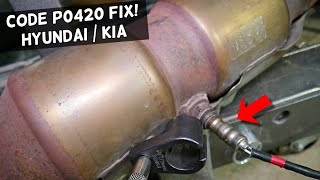
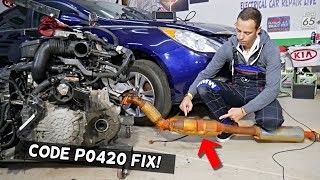
If your check engine light is on and you get a P0420 code, don't immediately assume the oxygen sensor is bad. This code means "Catalyst System Efficiency Below Threshold." While a faulty downstream O2 sensor can cause this, it more often means the catalytic converter itself is failing. The downstream sensor is just doing its job by reporting the problem. Proper diagnosis is key to avoid replacing the wrong part.
🎬 See how to diagnose and fix a P0420 check engine code.Cost to Replace a Hyundai Sonata Oxygen Sensor
| Part/Service | Estimated Cost |
|---|---|
| New Aftermarket Oxygen Sensor | $55 - $218 |
| New OEM Oxygen Sensor | $115 - $403 |
| Shop Labor | $79 - $115 |
| Total Professional Replacement | $250 - $519 |
Frequently Asked Questions

How many oxygen sensors does my Sonata have?
Most 2012-2024 Sonatas with a non-turbo engine (like the 2.4L) have two sensors: one upstream (before the catalytic converter) and one downstream (after it). Turbocharged models may have more. Always confirm your specific engine configuration before ordering.
What's the difference between an upstream and downstream sensor?
The upstream sensor (Sensor 1) measures oxygen in the exhaust right after it leaves the engine, helping the computer fine-tune the air-fuel ratio for performance and efficiency. The downstream sensor (Sensor 2) is located after the catalytic converter and its main job is to monitor the converter's health and efficiency.
Can I replace an oxygen sensor myself?
Yes, this is a DIY-friendly job for someone with basic tools. The biggest challenge is often removing the old sensor if it's rusted in place. You will need a special oxygen sensor socket that has a slot for the wire. Soaking the sensor with penetrating oil beforehand can make removal much easier.
🎬 Watch this step-by-step guide to changing your Sonata's oxygen sensor.Can I clean my oxygen sensor instead of replacing it?
It is not recommended to clean an oxygen sensor. Contaminants like oil and carbon buildup can permanently damage the sensor's delicate internal components. Replacement is the only reliable solution for a faulty sensor.
Helpful Videos
Technical Specifications
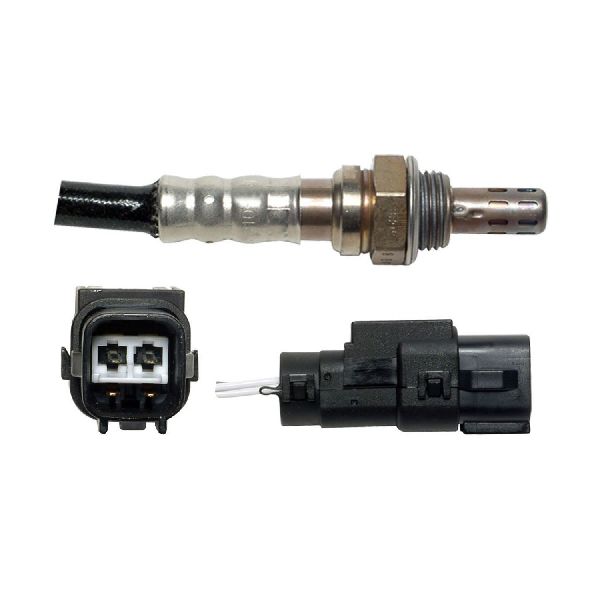
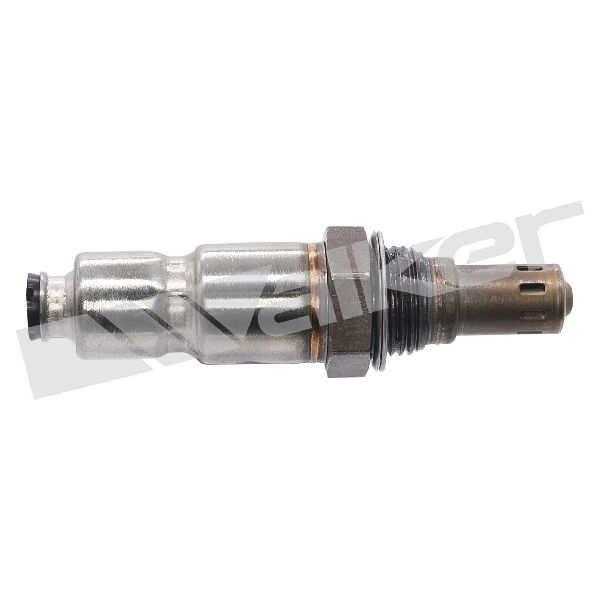
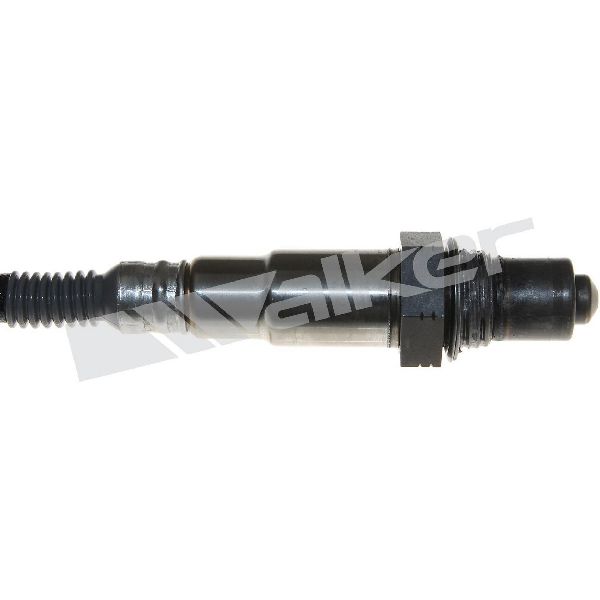
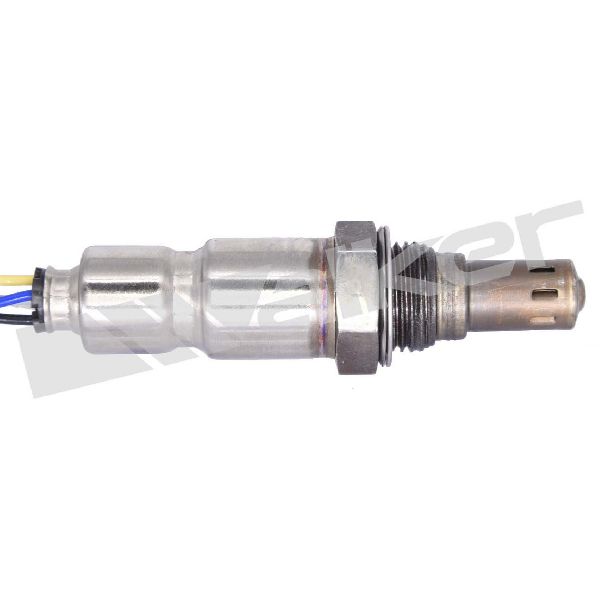
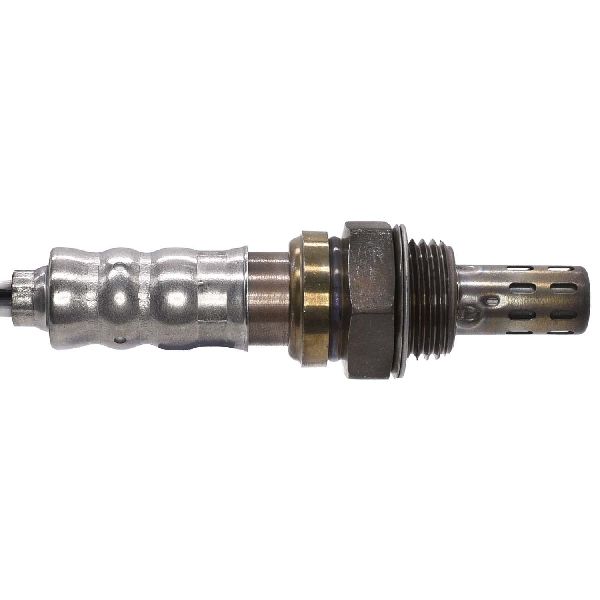
Most 2.4L non-turbo engines use two 4-wire heated oxygen sensors. One upstream (Air/Fuel Ratio Sensor) and one downstream (Oxygen Sensor). Turbocharged engines may have a different configuration. Always verify the connector style and wire length before purchasing.
We Have This Part in Stock


The information in this article is provided for general reference and educational purposes only. Vehicle specifications, procedures, and part compatibility can vary by production date, trim level, and region. Always consult your vehicle's factory service manual and verify part numbers before purchasing or performing repairs. Safety-critical components such as airbags, seat belts, and braking systems should be installed by a qualified professional.
- Hyundai Sonata: