

Kia Sportage Engine Coolant Temperature Sensor: A Complete Guide (2012-2024)
Understanding the signs of a failing coolant temp sensor and how to choose the right replacement for your Sportage.
- A failing ECT sensor often triggers a Check Engine Light and can cause overheating, poor fuel economy, or rough running.
- Replacement is simple and can be done in under an hour with basic tools, making it a great DIY-friendly repair.
- For reliability, choose an OEM-quality aftermarket brand like Delphi, NGK, or Standard over budget options for this critical part.
- No specific recalls have been issued for the ECT sensor itself, but symptoms like overheating should be addressed immediately to prevent engine damage.
Symptoms of a Failing ECT Sensor in a Kia Sportage

A bad coolant temperature sensor can cause a range of issues, from annoying to severe. If the sensor sends an incorrect signal (or no signal at all), the engine's computer gets confused. Here are the most common signs your Sportage's ECT sensor is failing:
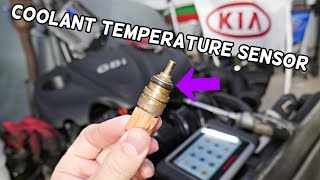
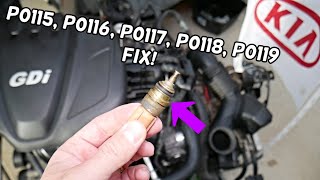
- Check Engine Light: This is often the first sign. The computer detects a problem with the sensor's signal and triggers the light. Common trouble codes include P0115, P0117, and P0118. 🎬 Watch: Diagnosing engine codes related to your temperature sensor.
- Engine Overheating or Running Hot: If the sensor fails to report that the engine is getting hot, the cooling fans may not turn on when needed. This can cause the temperature gauge to climb and, in serious cases, lead to engine damage.
- Poor Fuel Economy: A faulty sensor might constantly tell the computer the engine is cold. The computer then enriches the fuel mixture, burning more gas than necessary.
- Black Smoke from Exhaust: An overly rich fuel mixture doesn't burn completely. This unburnt fuel can exit through the exhaust, appearing as black smoke.
- Rough Idle or Poor Performance: The wrong fuel and timing adjustments can make the engine run poorly, especially when idling or accelerating.
Choosing the Right Aftermarket Sensor

You don't need to buy an OEM part from the dealer to fix your Sportage. The aftermarket offers many options, but quality can vary. Here’s a breakdown of available brands to help you choose.
Aftermarket Brand Quality Tiers
| Tier | Brands | Description |
|---|---|---|
| Tier 1: OEM-Quality Aftermarket | Delphi, NGK (NTK), Standard Ignition (SMP) | These brands are often original equipment suppliers for many car manufacturers. They have a strong reputation for quality, reliability, and proper fitment. Choosing one of these is a safe bet for a long-lasting repair. |
| Tier 2: Standard Replacement | Facet, Four Seasons, Walker Products, Vemo, Holstein, Global Parts | These are established aftermarket brands that produce reliable parts. Facet, for example, has over 75 years of experience making sensors for European and Asian vehicles. These parts offer a good balance of price and quality for a daily driver. |
| Tier 3: Economy / Budget | URO Parts | While the price is tempting, numerous owner reviews across different car communities strongly advise against using URO Parts for critical components like cooling system sensors. Failure of this part can lead to overheating, so saving a few dollars here may lead to more expensive repairs later. It is generally recommended to avoid this brand for this specific part. |
How Much Does it Cost to Replace a Kia Sportage ECT Sensor?

The cost is very reasonable, especially if you do it yourself. The part itself is inexpensive, and the labor is straightforward.
Estimated Replacement Costs
| Cost Type | Estimated Price |
|---|---|
| New OEM Part from Kia | $20 - $60 |
| New Aftermarket Part | $23 - $46 |
| Shop Labor | $50 - $150 |
| Total (Professional Installation) | $73 - $216 |
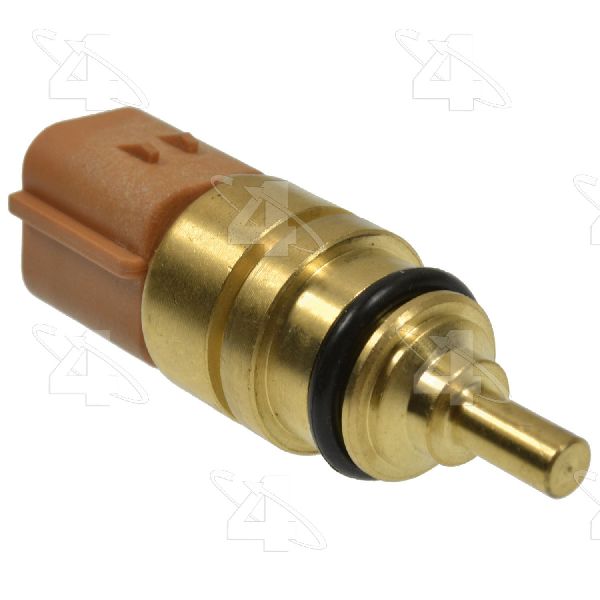
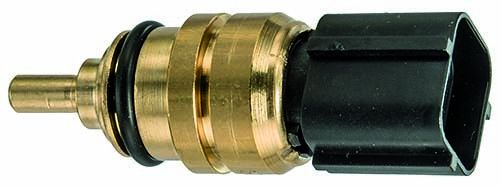
Pro Tip: Check Your Engine! The 2012-2024 Sportage range covers multiple engine types. The location and style of the ECT sensor can vary. For many 2.4L GDI engines, the sensor is held in by a small clip. On other engines, it may be a screw-in type. Always verify the part's appearance and fitment notes for your specific year and engine before ordering.
Frequently Asked Questions

Where is the ECT sensor located on a Kia Sportage?
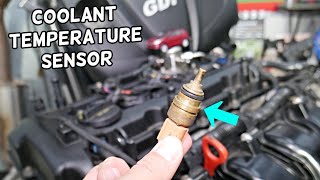
On many common Sportage engines, like the 2.4L GDI, the engine coolant temperature sensor is located on the thermostat housing. 🎬 Watch: How to replace the sensor and thermostat together. This is typically on the right side of the engine (passenger side) where the large upper radiator hose connects to the engine block. You may need to remove the plastic engine cover and air intake hose for easy access.
Can I drive my Sportage with a bad coolant temp sensor?
You can, but it is not recommended for long. A bad sensor can lead to poor fuel economy, failed emissions tests, and poor engine performance. Most importantly, if the sensor fails to detect an overheating condition, it could lead to severe and expensive engine damage. It is best to get it replaced as soon as possible.
Is this a difficult DIY repair?
No, for a person with basic tools, this is a relatively easy job. The process involves partially draining the coolant, disconnecting the sensor, removing a clip or unscrewing the old sensor, installing the new one, and then topping off and bleeding the cooling system. The entire job can usually be done in under an hour.
🎬 See this walkthrough for removing and replacing the sensor.Are there any recalls for the Kia Sportage ECT sensor?
As of early 2026, there are no widespread recalls or technical service bulletins (TSBs) specifically for the engine coolant temperature sensor on the 2012-2024 Kia Sportage. There have been recalls for other issues on these vehicles, such as for fire risk related to the HECU and for instrument cluster software, but these do not involve the ECT sensor.
Helpful Videos

Technical Specifications
OEM Part Numbers: 39220-38010 39220-2M425
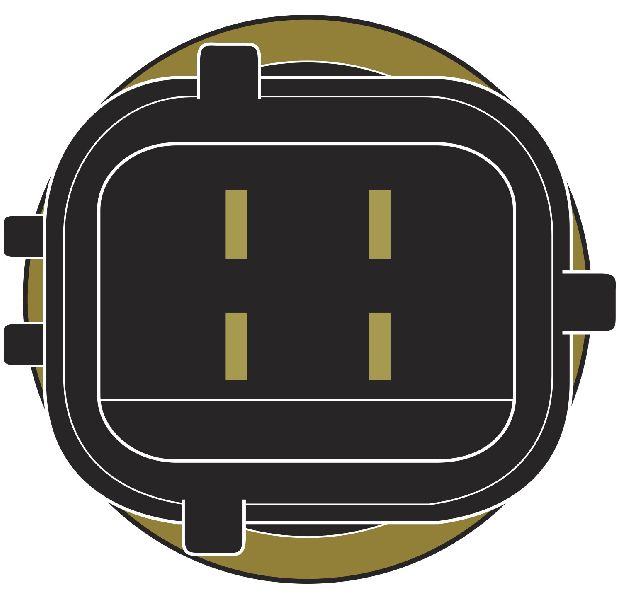
Monitors engine coolant temperature to provide data for fuel injection, ignition timing, and cooling fan operation. Can be a clip-in or screw-in type depending on the specific engine and year.
We Have This Part in Stock


The information in this article is provided for general reference and educational purposes only. Vehicle specifications, procedures, and part compatibility can vary by production date, trim level, and region. Always consult your vehicle's factory service manual and verify part numbers before purchasing or performing repairs. Safety-critical components such as airbags, seat belts, and braking systems should be installed by a qualified professional.
- Kia Sportage: