

Engine Coolant Temperature Sensor Guide for 2012-2024 Toyota Highlander
Understand the signs of a failing coolant sensor and how to choose the right aftermarket replacement for your Highlander.
- A failing ECT sensor can cause overheating, poor fuel economy, and a check engine light in your Highlander.
- For a reliable repair, choose an OEM-equivalent aftermarket brand like Denso, or a reputable brand like Delphi or Beck Arnley.
- Replacement is a simple and inexpensive DIY task for many owners, typically taking less than an hour.
- Owners of 2020 models should be aware of a TSB for the electric water pump, which can mimic the symptoms of a bad sensor.
Is Your Highlander's Engine Acting Up? It Could Be the Coolant Temp Sensor

A faulty Engine Coolant Temperature (ECT) sensor can cause a surprising number of problems in your 2012-2024 Toyota Highlander. Because this sensor provides critical data to the main computer, a bad signal can lead to poor performance and other issues. Ignoring these symptoms can lead to reduced fuel economy and, in severe cases, engine damage from overheating.
Symptoms of a Failing ECT Sensor
If the ECT sensor is failing, your Highlander might show several signs. Often, the first thing you'll notice is the Check Engine Light on your dashboard. Other common symptoms include:
- Poor Fuel Economy: If the sensor incorrectly tells the computer the engine is cold, the computer will enrich the fuel mixture, causing you to use more gas.
- Engine Overheating or Running Too Cool: The sensor helps control the radiator fans. A bad sensor might not trigger the fans when needed, leading to overheating. Conversely, it might cause the temperature gauge to stay on cold.
- Rough Idle or Misfires: Incorrect temperature data can lead to the wrong fuel-to-air ratio, causing the engine to run poorly.
- Black Smoke from Exhaust: A very rich fuel mixture, caused by a false "cold" signal, can result in black smoke from the tailpipe as unburnt fuel is burned in the exhaust.
- Erratic Temperature Gauge: The needle on your dash might jump around, stay on cold, or shoot to hot without warning.
Known Issue for 2020 Models
Some 2020 Toyota Highlander models with A25A-FKS or A25A-FXS engines have a known issue with the electric water pump, not the sensor itself. Symptoms are very similar, including overheating and a check engine light with codes like P26CB71. Toyota issued a Technical Service Bulletin (TSB) T-TT-0614-20 for this problem. If you have a 2020 model, it's worth having a technician check if the water pump is the actual cause.
🎬 See why your Toyota might be overheating before starting repairs.Choosing the Right Aftermarket Sensor

When replacing a critical sensor like the ECT, quality matters. While you can save money with an aftermarket part, it's best to stick with brands known for making parts for Toyota (OEM suppliers) or those with a strong reputation for quality.
- Top Tier (OEM or Equivalent): Denso is a primary OEM supplier for Toyota, making it an excellent choice for aftermarket replacement. Delphi and NGK are also highly reputable brands that manufacture quality sensors.
- Reliable Mid-Tier: Beck Arnley is known for often repackaging OEM parts, so you may receive a Denso sensor in their box. Standard Ignition (SMP) and Walker Products are generally considered reliable choices in the industry.
- Economy Tier: Brands like URO Parts, Facet, and Global Parts fall into the economy category. While they are the most affordable, their long-term reliability can be inconsistent. Some owners have reported issues with lower-tier electronics failing prematurely. For a sensor this important and inexpensive to replace, investing in a top or mid-tier brand is recommended.
Pro Tip: Given the low cost of the part and its importance for engine health, choosing a Denso, Delphi, or Beck Arnley sensor is a smart investment for your Highlander.
Cost to Replace a Toyota Highlander Coolant Temperature Sensor
| Part Type | Estimated Cost |
|---|---|
| New OEM (Toyota) | $68 - $98 |
| New Aftermarket | $13 - $85 |
| Shop Labor | $95 - $223 |
| Total Professional Replacement | $123 - $469 |
Cost estimates are based on national averages and may vary by location and vehicle specifics. The provided aftermarket price range is based on available inventory.
Frequently Asked Questions

Where is the engine coolant temperature sensor located on a Toyota Highlander?
The ECT sensor is typically screwed into the engine block or cylinder head, near the thermostat housing. On many Highlander V6 engines, you can find it by following the upper radiator hose to where it connects to the engine. Some vehicles may have more than one temperature sensor; one for the computer and one for the dashboard gauge.
Can I replace the coolant temperature sensor myself?
Yes, for most mechanically inclined owners, this is a straightforward DIY job. It usually involves unplugging the electrical connector, unscrewing the old sensor with a deep socket, and quickly screwing the new one in. You will lose a small amount of coolant, so have a rag ready and be prepared to top off the coolant reservoir afterward.
🎬 Follow this step-by-step video to replace the sensor yourself.What happens if I don't replace a bad coolant sensor?
Ignoring a bad ECT sensor can lead to persistent poor fuel economy, failed emissions tests, and rough engine performance. The most serious risk is engine overheating, which can cause severe and expensive damage like a warped cylinder head if the sensor fails to activate the cooling fans.
Are there any recalls for the Highlander coolant temperature sensor?
As of early 2026, there are no specific recalls for the engine coolant temperature sensor on 2012-2024 Toyota Highlanders. However, a Technical Service Bulletin (T-TT-0614-20) was issued for some 2020 models related to the electric water pump, which can cause similar overheating symptoms.
Helpful Videos


Technical Specifications
OEM Part Numbers: 89422-33030 89422-35010 89422-20010 89422-47010
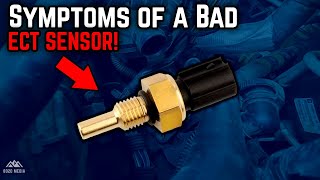
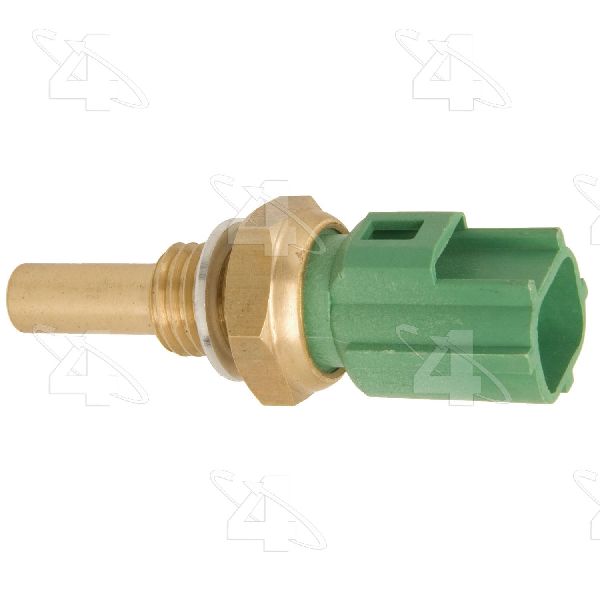
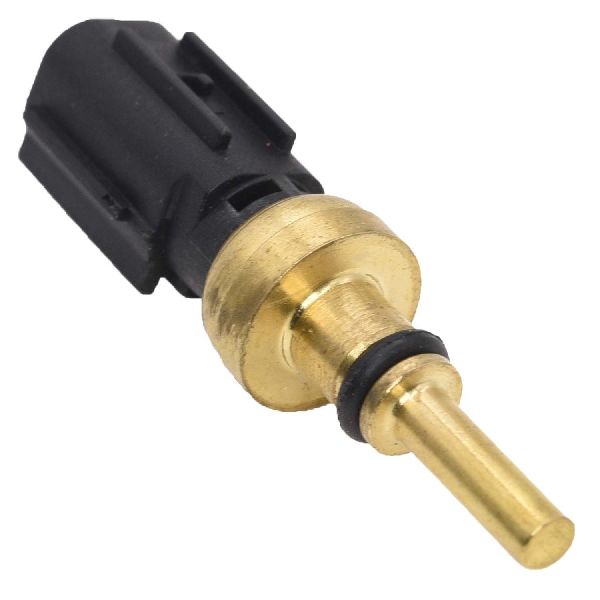
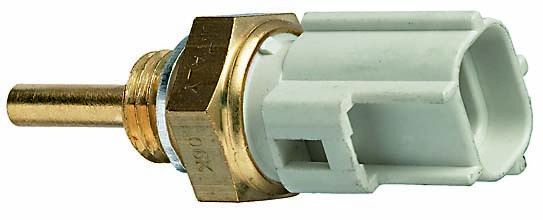
The Engine Coolant Temperature (ECT) sensor is a thermistor, meaning its electrical resistance changes with temperature. The vehicle's computer sends a 5-volt reference signal to the sensor and reads the return voltage to determine the coolant temperature. The sensor is typically a two-wire brass or composite component with a threaded body that seals against the engine with a gasket or washer.
We Have This Part in Stock



The information in this article is provided for general reference and educational purposes only. Vehicle specifications, procedures, and part compatibility can vary by production date, trim level, and region. Always consult your vehicle's factory service manual and verify part numbers before purchasing or performing repairs. Safety-critical components such as airbags, seat belts, and braking systems should be installed by a qualified professional.
- Toyota Highlander:
- 🎬 Helpful Videos
- 🛍️ Shop This Part
- Is Your Highlander's Engine Acting Up? It Could Be the Coolant Temp Sensor
- Symptoms of a Failing ECT Sensor
- Known Issue for 2020 Models
- Choosing the Right Aftermarket Sensor
- Cost to Replace a Toyota Highlander Coolant Temperature Sensor
- Frequently Asked Questions
- 🎟️ Get 5% Off