

Ford Explorer Engine Coolant Temperature Sensor: A 2012-2025 Guide
Is your Explorer's temperature gauge acting up or is the engine running rough? Your Engine Coolant Temperature sensor might be the culprit.
- A faulty ECT sensor is a known issue on 2020+ Explorers, causing false overheat warnings and limp mode.
- Symptoms include an incorrect temp gauge, Check Engine Light (P0117, P0118, P0128), and poor fuel economy.
- For reliability, using an OEM Motorcraft sensor is highly recommended by Ford owners and mechanics.
- Replacement is a feasible DIY task on many Explorer engines, often requiring minimal tools and time.
Is Your Ford Explorer's Temperature Gauge Lying?
A faulty Engine Coolant Temperature (ECT) sensor can cause a range of confusing problems for 2012-2025 Ford Explorer owners. You might see an overheat warning, but the engine is still cold. Or, your temperature gauge might not move at all. This sensor's job is to provide accurate temperature data to the engine computer. When it fails, the computer gets bad information, leading to poor engine performance and potential damage.
Common Symptoms of a Failing ECT Sensor
A bad ECT sensor can make your Explorer behave strangely. Here are the most common signs:
- Check Engine Light: This is often the first sign. You'll likely see codes like P0117, P0118, or P0128.
- Incorrect Temperature Gauge: The gauge on your dashboard might shoot up to hot right after starting, or it might stay on cold even when the engine is warm.
- Engine Overheating Warning & Limp Mode: Newer Explorers, especially 2020+ models, may display an "Engine Coolant Over Temperature" message and enter a reduced power "limp mode," even if the engine isn't actually hot.
- Poor Fuel Economy: If the sensor tells the computer the engine is always cold, the computer will enrich the fuel mixture, wasting gas.
- Rough Idle or Hard Starting: The engine may run rough or be difficult to start, particularly when cold.
- Cooling Fans Run Constantly: The fans might stay on all the time because the computer thinks the engine is overheating.
Known Issue: 2020+ Explorer 2.3L & 3.0L EcoBoost Engines
Ford issued a Technical Service Bulletin (TSB SSM 49407) for some 2020 Explorer models with EcoBoost engines. Symptoms include an overheat warning, check engine light, and the vehicle entering limp mode. This is often due to a faulty ECT sensor or its wiring connector. The fix involves replacing the sensor and, for the 2.3L engine, the pigtail wiring connector as well. If you have a 2020 or newer Explorer with these symptoms, this is a very likely cause.
Choosing the Right Aftermarket ECT Sensor
When it comes to sensors for your Explorer, quality matters. While many aftermarket parts work well, forum discussions among Ford owners often show a strong preference for the original equipment manufacturer (OEM) parts for electronics.
- OEM / Premium Aftermarket (Motorcraft, Delphi, NGK): Motorcraft is Ford's own brand and is the safest bet for a perfect fit and long-term reliability. Premium brands like Delphi and NGK are also known for making high-quality sensors that meet or exceed OEM standards. These are your best choices for a repair you only want to do once.
- Quality Aftermarket (Standard Ignition, Walker Products, Holstein): These brands often provide a good balance of quality and price. They are generally reliable and a solid choice for a daily driver.
- Economy Brands (Four Seasons, Global Parts, True Tech): These are the most budget-friendly options. While they can get your vehicle back on the road, their long-term durability might not match that of premium brands. They can be a good fit if you're on a tight budget, but be aware that some owners report a shorter lifespan with economy-tier electronic parts.
Pro Tip: Many Ford mechanics and owners recommend sticking with Motorcraft for critical sensors. The small price difference is often worth the peace of mind, as a faulty sensor can leave you stranded.
Ford Explorer ECT Sensor Cost
The cost to replace the ECT sensor can vary depending on the part you choose and who does the work. It's a relatively quick job for a mechanic.
| Part/Service | Estimated Cost |
|---|---|
| New OEM (Motorcraft) | $30 - $70 |
| New Aftermarket | $10 - $102 |
| Shop Labor | $60 - $120 |
| Total Estimated Cost (DIY) | $10 - $102 |
| Total Estimated Cost (Shop) | $70 - $222 |
Note: Prices are estimates and can vary by location and your specific Explorer model.
Frequently Asked Questions
Can I drive my Explorer with a bad ECT sensor?
It is not recommended. A bad sensor can cause the engine to run too rich, fouling spark plugs, or it could fail to warn you of a real overheating problem, leading to severe engine damage. If your vehicle enters limp mode, your speed will be drastically limited, which is unsafe on most roads.
Where is the ECT sensor located on a Ford Explorer?
The location varies depending on your engine. On many 3.5L V6 engines, it's on the thermostat housing. On some 2.3L EcoBoost engines, it is located on the back of the engine near the passenger side. On older 4.6L V8 models, there might even be two sensors—one for the computer and one for the gauge. Always consult a repair manual for your specific year and engine to find the correct location.
Is replacing the ECT sensor a DIY job?
For many people, yes. If the sensor is easily accessible, the job typically involves partially draining the coolant, disconnecting the wire, removing a clip, swapping the sensor, and then refilling the coolant. However, on some engines, the sensor may be in a difficult-to-reach spot that is better left to a professional.
Does a P0128 code always mean a bad sensor?
Not always. Code P0128 means the engine isn't warming up as quickly as expected. The most common cause is a thermostat that is stuck open, but it can also be caused by a faulty ECT sensor or low coolant levels.
Technical Specifications
OEM Part Numbers: DY1145 DY1446
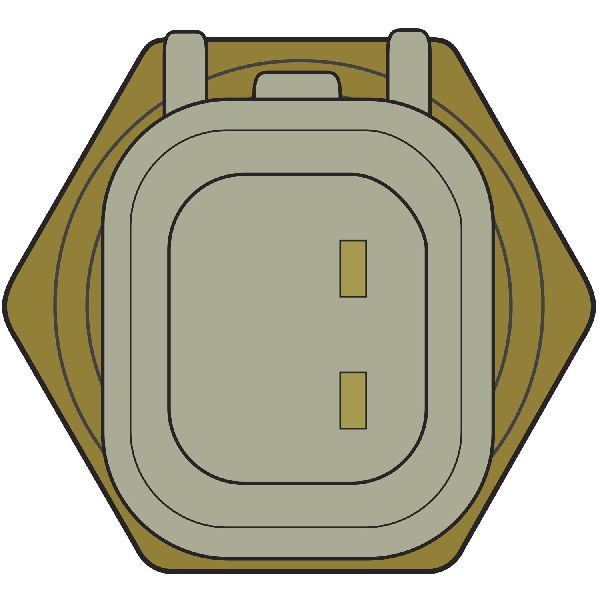
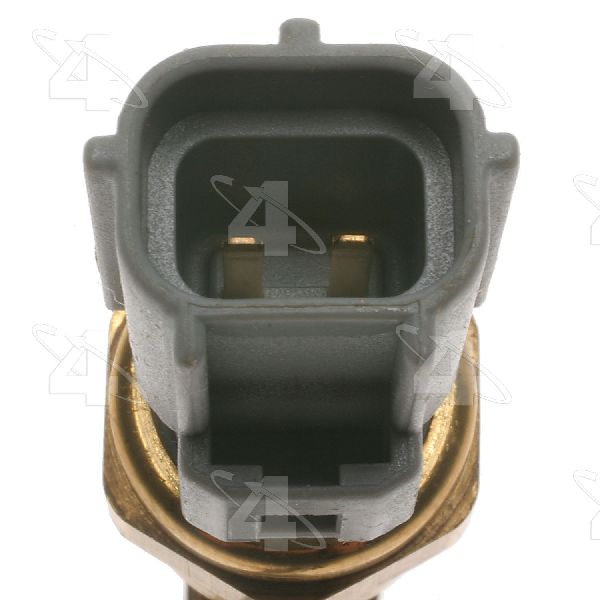
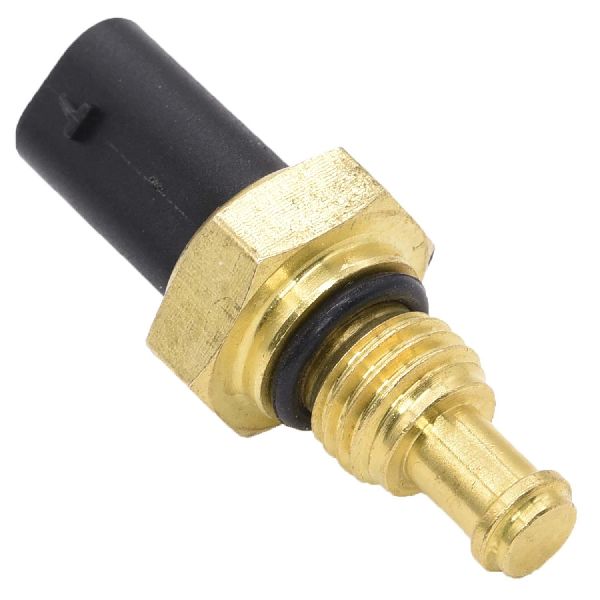
The sensor is typically a two-terminal thermistor held in place by a retaining clip. The connector pigtail may also need replacement on some models, especially 2020+ 2.3L Explorers per TSB SSM 49407.
We Have This Part in Stock


The information in this article is provided for general reference and educational purposes only. Vehicle specifications, procedures, and part compatibility can vary by production date, trim level, and region. Always consult your vehicle's factory service manual and verify part numbers before purchasing or performing repairs. Safety-critical components such as airbags, seat belts, and braking systems should be installed by a qualified professional.
- Ford Explorer: