

Lexus IS300 (2016-2025) Aftermarket Disc Brake Pad Set Guide
Choosing the right brake pads for your IS300 is crucial for maintaining its signature blend of quiet luxury and sharp performance.
- Confirm your IS300's exact model (AWD/RWD, F Sport/Base) before buying, as brake parts differ.
- For an OEM feel with less dust, Akebono and other premium ceramic pads are a top choice among owners.
- F Sport models have pads with more bite but create significant dust and wear faster; switching to non-F Sport pads is a common and effective choice for daily driving.
- Always plan to replace rotors with your pads for the best performance and safety.
Signs Your IS300 Brake Pads Need Replacing

Your Lexus is designed for a smooth and quiet ride. When the brakes start making noise, it's a clear sign that something needs attention. Don't ignore these symptoms, as worn pads can lead to more expensive rotor damage.
- Squealing or Screeching: This is the most common sign. A small metal tab, called a wear indicator, makes contact with the rotor when the pads are thin, creating a high-pitched noise.
- Grinding Noise: If you hear a harsh, metallic grinding, stop driving as soon as it is safe. This means the pad material is completely gone, and the metal backing plate is grinding against the rotor, causing significant damage.
- Vibration or Pulsing: If you feel a pulsing in the brake pedal or a vibration in the steering wheel when braking, it could mean the pads have worn unevenly or that the rotors are warped, which can happen after a period of driving with worn pads.
- Longer Stopping Distances: If your car takes longer to stop than it used to, your brake pads may be too worn to provide effective friction.
- Brake Warning Light: Some vehicles have a brake warning light on the dashboard that will illuminate to indicate a potential issue with the braking system.
A Note on Model Years and Trims
The user's prompt specified a 2012-2025 year range. However, the "IS300" name was reintroduced to the North American market in 2016. This guide focuses on the third-generation IS300 from 2016 onwards. It is also critical to know if you have a Base model, an F Sport model, or an All-Wheel Drive (AWD) model, as brake components can differ. F Sport models, in particular, often use a more aggressive brake pad compound from the factory that produces more dust but offers a stronger bite.
Choosing the Right Aftermarket Brake Pads for Your IS300

The original equipment (OEM) pads on your Lexus are typically made by suppliers like Advics or Akebono and are usually a ceramic formula designed for quiet operation and low dust. Aftermarket pads offer a wider range of choices to suit your driving style and budget.
Brand Quality Tiers
Here’s a breakdown of common aftermarket brands to help you choose:
- Premium (OEM-Equivalent): Brands like Akebono, Advics, Brembo, and Bosch are excellent choices if you want to maintain the stock feel of your Lexus. Akebono pads are highly recommended in owner forums for their low dust, quiet operation, and OEM-like performance.
- Performance Upgrade: If you want more initial bite and better resistance to brake fade during spirited driving, look at brands like Hawk Performance, EBC Brakes, and StopTech. Be aware that these pads may produce more dust and noise than OEM pads.
- Daily Driver (Value): Brands such as Centric, Raybestos, and Wagner offer a great balance of quality and price. They are reliable choices for everyday commuting and meet or exceed standard safety requirements.
- Budget-Friendly: Brands like Dynamic Friction, Powerstop, and Pronto can be a cost-effective solution. While functional for basic transportation, they may not offer the same longevity or refined performance as premium options.
Ceramic vs. Semi-Metallic: Most IS300 owners will be happiest with ceramic pads. They are quiet, produce very little dust, and are easy on your rotors. They are the standard for luxury cars. Semi-metallic pads offer stronger performance in extreme conditions but are generally noisier and create more dust.
Known Issues, Recalls, and TSBs

Searches for major safety recalls on the 2016-2025 Lexus IS300 braking system did not find any widespread issues directly related to the brake pads. Most recalls for this period concern fuel pumps or other components. However, Lexus has issued Technical Service Bulletins (TSBs) for some model years related to brake noise:
- TSB L-SB-0008-19 Rev1: Addresses a squeal or squeak noise from the front brakes on 2018–2020 IS300 2WD F Sport models. The fix involves an updated front brake pad and shim kit.
- TSB L-SB-0034-18 Rev: Notes a potential squeal from the front brake pads on some 2016-2020 AWD F Sport and non-F Sport models.
Some owners in forums have noted that the IS300, particularly F Sport models, can wear through pads and rotors more quickly than expected, sometimes in as little as 13,000-15,000 miles. This is often attributed to the softer, high-performance pad compound used on those models.
| Item | Cost |
|---|---|
| New Aftermarket Pad Set | $29.50 - $183.64 |
| New OEM Pad Set | $100 - $250 |
| Shop Labor | $122 - $179 |
| Total Professional Replacement (Aftermarket) | $150 - $360+ |
| Total Professional Replacement (OEM) | $220 - $460+ |
Frequently Asked Questions (FAQ)

How often should I replace my IS300 brake pads?
Brake pad life varies greatly depending on your driving style, but a general range is 30,000 to 70,000 miles. If you do a lot of city driving with frequent stops, you'll be on the lower end of that range. Some owners of performance-oriented F-Sport models report needing replacements much sooner.
Should I replace my rotors at the same time as the pads?
It's highly recommended. While you can sometimes install new pads on old rotors if they are in excellent condition, it's best practice to replace them as a set. New, flat rotors provide the best surface for the new pads to bed into, ensuring smooth, quiet, and effective braking. If your old rotors have any grooves, warping, or are worn below the minimum thickness, they must be replaced.
Can I use non-F Sport pads on my F Sport model?
Yes, and many owners choose to do this. The non-F Sport pads (often a low-dust ceramic) will fit and can significantly reduce brake dust and may last longer. You will trade a bit of the aggressive initial bite for cleaner wheels and potentially longer life. Lexus even issued a TSB that involves replacing noisy F-Sport components with non-F-Sport parts.
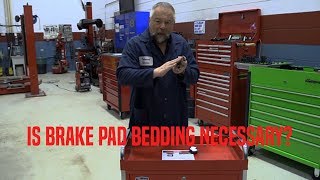
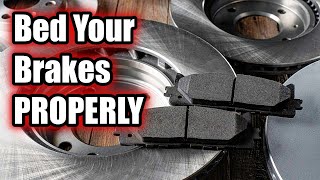
Do I need to 'bed-in' my new brake pads?
Yes, this is a critical step. Bedding-in is the process of transferring a thin, even layer of friction material from the pads to the rotors. For most OEM and aftermarket ceramic pads, this simply means braking gently and avoiding hard stops for the first few hundred miles of driving. Aggressive bedding procedures with multiple hard stops are typically only for track-focused pads and can damage standard ceramic pads. Always follow the manufacturer's specific instructions.
Helpful Videos
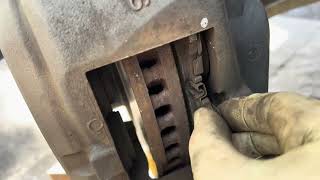
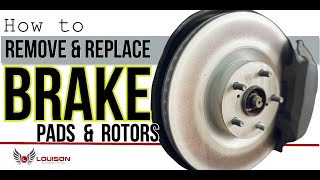
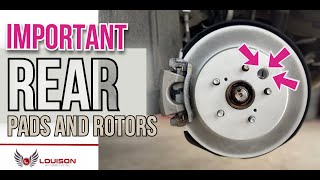
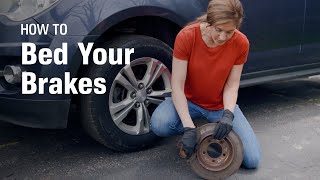
Technical Specifications
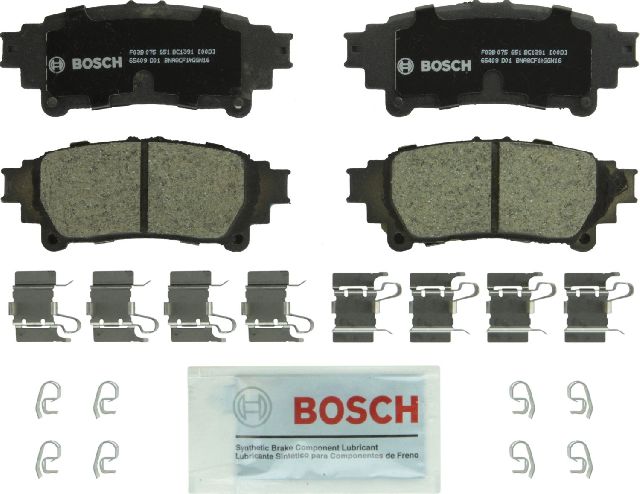
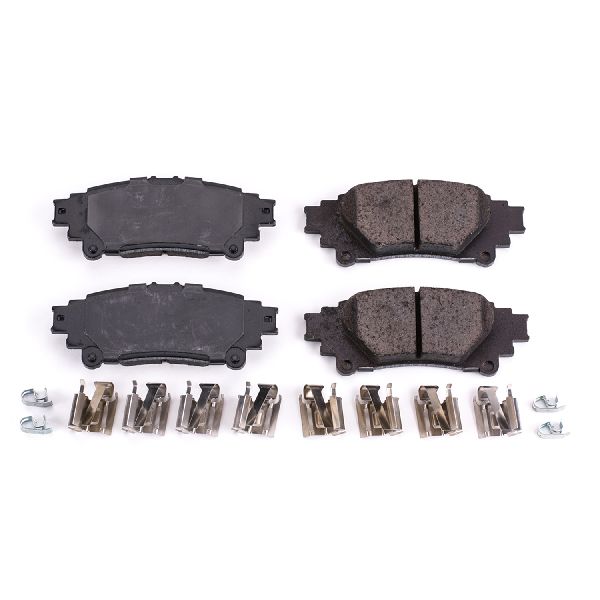
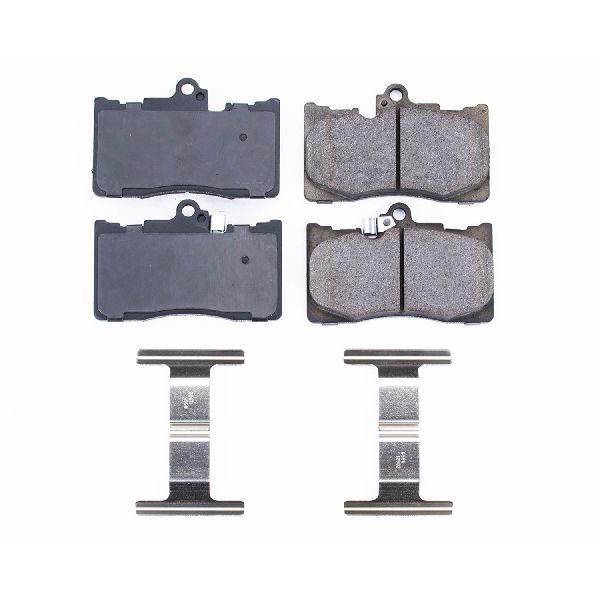
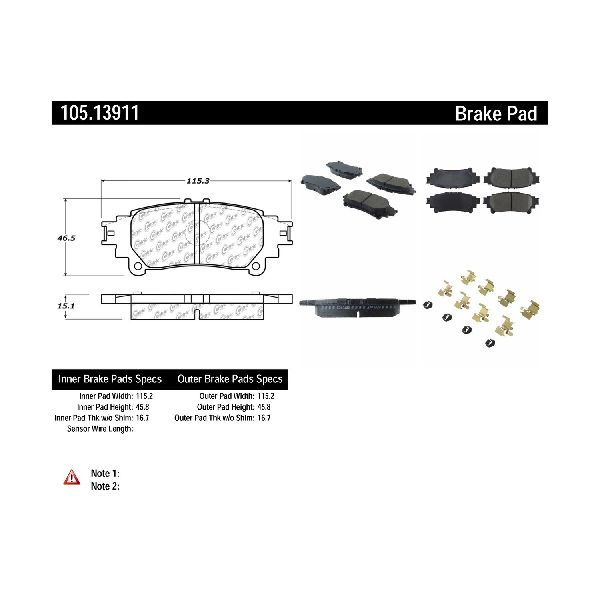
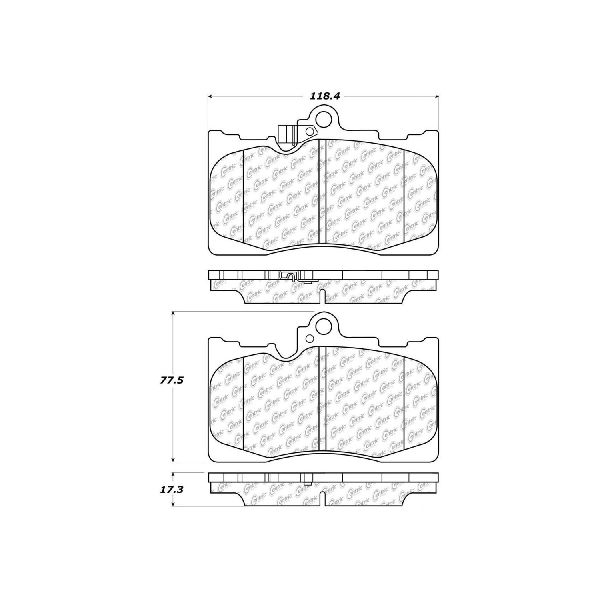
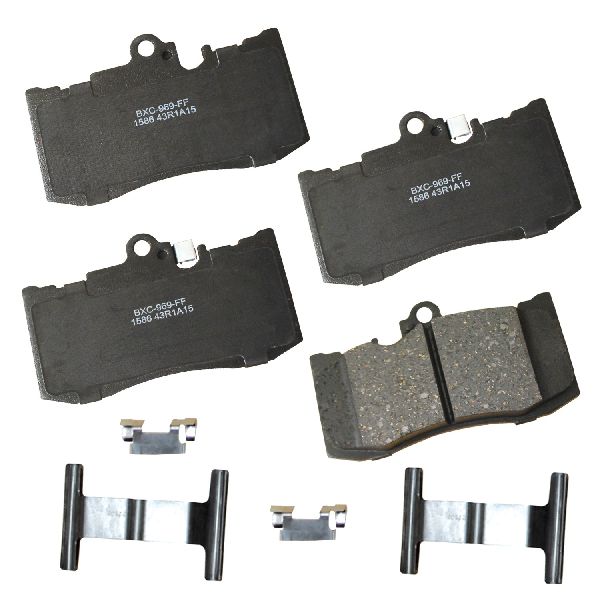
OEM Part Numbers: 04465-30510 04465-30500 04466-48170 04466-30311
The Lexus IS300 (2016+) typically uses ceramic brake pads from the factory. F-Sport models use a higher-friction compound. It is essential to verify fitment based on whether the vehicle is RWD or AWD, and if it has the F-Sport package, as calipers and rotor sizes can vary.
We Have This Part in Stock

The information in this article is provided for general reference and educational purposes only. Vehicle specifications, procedures, and part compatibility can vary by production date, trim level, and region. Always consult your vehicle's factory service manual and verify part numbers before purchasing or performing repairs. Safety-critical components such as airbags, seat belts, and braking systems should be installed by a qualified professional.
- Lexus IS300: