

A Guide to the Engine Valve Stem Oil Seal Set for the 2013-2016 Audi allroad
Seeing a puff of blue smoke when you start your allroad? Your valve stem seals might be the reason.
- The key symptom is a puff of blue smoke on startup, which is different from the more constant smoke of a piston ring issue.
- This is a very expensive repair due to high labor costs; the parts themselves are inexpensive.
- A professional diagnosis is essential to confirm the problem is the valve seals and not the more common piston ring failure on 2.0T engines.
- Use only high-quality OEM-supplier brands like Elring or Victor Reinz, as a part failure would mean re-doing the entire expensive job.
Is Your allroad Burning Oil? Understanding Valve Stem Seal Failure
The most common sign of failing valve stem seals on the 2.0T engine is a distinct puff of blue or grayish-blue smoke from the exhaust pipe right after you start the car, especially after it has been parked overnight. This happens because oil slowly seeps past the worn seals while the engine is off, pooling on top of the valves. When you start the engine, this pooled oil burns off all at once, creating the smoke. You may also notice your oil level dropping faster than usual, requiring you to top it off between oil changes.
Important: Valve Seals vs. Piston Rings
The 2.0T TFSI engine in the 2013-2016 allroad is widely known for oil consumption issues that are often caused by faulty piston rings, not just valve stem seals. While both problems cause oil burning, the symptoms can differ. Bad valve seals typically cause smoke primarily on startup. Bad piston rings tend to cause more consistent blue smoke, especially during acceleration, and often result in more severe oil loss. It is critical to have a professional mechanic diagnose the issue correctly before committing to a costly repair, as a piston ring job is even more expensive.
Choosing the Right Aftermarket Valve Stem Seal Set
Replacing valve stem seals is a very labor-intensive repair. The cost of the seals themselves is tiny compared to the cost of labor. Because of this, it makes no sense to use a low-quality part that might fail early. You want to do this job only once.
For your Audi allroad, two excellent aftermarket brands are available that are known for their quality:
- Elring: Elring is a German company that is an Original Equipment Manufacturer (OEM) for Volkswagen and Audi. This means they supply parts directly to the factory for new cars. Choosing an Elring seal set is essentially like buying the genuine part without the dealership price tag. They are a top-tier, trusted choice for this repair.
- Victor Gaskets (Victor Reinz): Victor Reinz is another major OEM supplier for many European car brands. They have a long-standing reputation for producing high-quality gaskets and seals that meet or exceed factory specifications. Like Elring, they are considered a premium aftermarket brand and a reliable choice for this critical engine component.
Pro Tip: Since the labor cost is so high, it is wise to replace other nearby parts at the same time, such as the valve cover gasket and any other seals that are removed to access the valve stems. This can save you money on future repairs.
Cost to Replace 2013-2016 Audi allroad Valve Stem Seals
The total cost is dominated by shop labor due to the complexity of the job. The engine's cylinder head often needs to be removed to perform the replacement correctly.
| Part/Service | Estimated Cost |
|---|---|
| New Aftermarket Seal Set (Elring, Victor Gaskets) | $18 - $25 |
| Shop Labor | $1,000 - $2,000+ |
| Total Estimated Cost | $1,018 - $2,025+ |
Frequently Asked Questions
Is there a recall for valve stem seals on my Audi allroad?
No, there are no specific recalls for valve stem seals on the 2013-2016 Audi allroad. There have been class-action lawsuits and warranty extensions related to general oil consumption on the 2.0T engine, but these primarily focused on piston ring issues and may have already expired for these model years.
Can I replace the valve stem seals myself?
This is not recommended for a DIY mechanic. The job is complex and requires special tools like a valve spring compressor. It often involves removing the cylinder head, which is an advanced procedure. Mistakes can lead to severe engine damage. This repair is best left to a professional mechanic experienced with Audi engines.
How do I know for sure if it's my valve seals?
A qualified mechanic can perform a couple of tests. A leak-down test can help determine the health of piston rings and valves. The classic symptom of smoke only on startup is a strong indicator of valve seals, but a professional diagnosis is the only way to be certain and avoid a misdiagnosis of the more common piston ring problem.
What happens if I don't replace them?
If you ignore failing valve stem seals, the oil burning will likely get worse. This can lead to fouled spark plugs causing misfires, damage to the catalytic converter from burnt oil, and consistently low oil levels that risk starving the engine of lubrication, which could lead to catastrophic failure.
Technical Specifications
OEM Part Numbers: 06H103483C 06H103483D
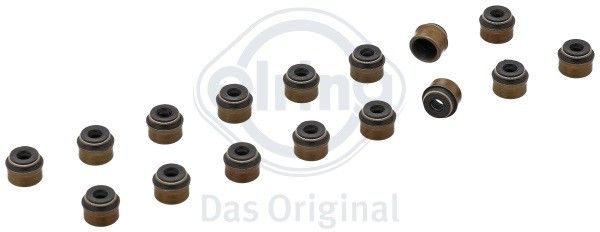
Set of 16 valve stem seals for the 2.0T TFSI engine.
We Have This Part in Stock


The information in this article is provided for general reference and educational purposes only. Vehicle specifications, procedures, and part compatibility can vary by production date, trim level, and region. Always consult your vehicle's factory service manual and verify part numbers before purchasing or performing repairs. Safety-critical components such as airbags, seat belts, and braking systems should be installed by a qualified professional.
- Audi allroad: