

Scion FR-S Engine Coolant Temperature Sensor: A Guide for 2013-2016 Models
Understanding the signs of a failing coolant temperature sensor and how to choose the right replacement for your FR-S.
- A failing ECT sensor can cause serious issues like overheating and poor fuel economy; do not ignore the symptoms.
- Check engine light codes P0117 and P0118 are strong indicators of a sensor circuit problem.
- Before replacing the sensor, verify the knock sensor and ECT sensor electrical plugs are not swapped, as they are identical and located near each other.
- DIY replacement is feasible and can save over $200 in labor, but the sensor's location at the rear of the engine makes access tight.
Is Your FR-S Engine Coolant Temp Sensor Failing?
A bad Engine Coolant Temperature (ECT) sensor can cause noticeable problems in your Scion FR-S. Because the sensor's reading affects so many engine functions, a false signal can lead to poor performance and potential damage if ignored. Watch for these common signs.
Common Failure Symptoms
- Check Engine Light: This is often the first sign. The ECU will trigger a light if it detects a signal from the sensor that is out of the normal range. Common codes include P0117 (circuit low) and P0118 (circuit high). 🎬 Watch: How to test and replace a sensor with these codes.
- Poor Fuel Economy: If the sensor incorrectly tells the ECU the engine is cold, the computer will enrich the fuel mixture, causing you to use more gas than necessary.
- Rough Idle or Stalling: An incorrect fuel mixture can cause the engine to idle poorly, shake, or even stall.
- Black Smoke from Exhaust: This is a sign of a very rich fuel mixture, where unburned fuel is burning in the exhaust pipe.
- Engine Overheating: If the sensor fails to report that the engine is hot, the cooling fans may not turn on when needed, leading to overheating.
- Erratic Temperature Gauge: The temperature gauge on your dashboard may behave strangely, either not moving from cold or suddenly jumping to hot. Note that the FR-S dash gauge is not linear and mainly shows 'cold,' 'normal,' or 'hot.' 🎬 Watch this analysis of stock engine coolant temperature behavior.
Choosing the Right Aftermarket Sensor
For a critical sensor like the ECT, quality matters. While an OEM sensor from Toyota/Scion is a reliable choice, quality aftermarket parts can offer good performance at a lower price. The brands available fall into different tiers based on reputation and manufacturing standards.
- Premium Aftermarket (Standard Ignition, Walker Products): These brands are well-established in the aftermarket industry. They often engineer parts to meet or exceed original equipment (OE) specifications and perform extensive testing. They are a reliable choice for a balance of cost and quality.
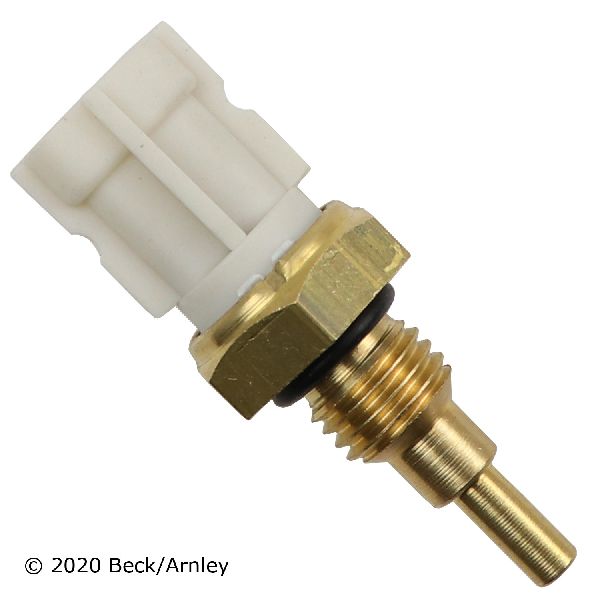
- Standard Aftermarket (Beck Arnley, Facet): Beck Arnley focuses on sourcing parts that match the OE form, fit, and function for foreign nameplates. While historically known for reboxing OE parts, some forum users suggest quality can vary. Facet is another established brand. These are generally a good value but may not have the same level of engineering as premium brands.
- Value-Oriented (Global Parts, Holstein): These brands typically compete on price. They can be a good option for budget-conscious repairs, but long-term durability might not match that of higher-priced alternatives.
Replacement Cost for a 2013-2016 Scion FR-S
The cost to replace the ECT sensor can vary significantly depending on whether you do it yourself or have a shop perform the labor. The part itself is inexpensive, but professional installation can be costly due to the sensor's location.
| Item | Estimated Cost |
|---|---|
| New Aftermarket Part | $12 - $40 |
| New OEM Part | $20 - $25 |
| Shop Labor | $244 - $358 |
| Total Professional Replacement | $505 - $619 |
DIY Savings
Replacing the sensor yourself can save you hundreds of dollars in labor costs. The sensor is located toward the rear of the engine. While access can be tight, the replacement is a straightforward unbolt-and-replace job for those with basic mechanical skills. Ensure the engine is completely cool before starting.
Frequently Asked Questions
Where is the engine coolant temperature sensor located on the FR-S?
On the 2.0L FA20 engine in the Scion FR-S, the ECT sensor is located toward the rear of the engine block. You will need to let the engine cool completely and may need to remove some components to access it.
Are there any recalls for the FR-S coolant temperature sensor?
No, there are no specific recalls for the engine coolant temperature sensor on the 2013-2016 Scion FR-S. There was a significant recall (NHTSA #18V772000) for engine valve springs on 2013 models, but it is unrelated to the ECT sensor.
What happens if I don't replace a bad ECT sensor?
Driving with a faulty ECT sensor is not recommended. It can lead to serious issues like engine overheating, poor fuel economy, rough running, and eventually, potential long-term engine damage from running too rich or too hot.
Can an air bubble in the cooling system cause similar symptoms?
Yes. An air pocket in the cooling system passing over the sensor can cause erratic temperature readings, similar to a failing sensor. This is common after coolant system service. If you've recently had work done, it's worth properly bleeding the cooling system before replacing the sensor.
🎬 See how to bleed air out of your FR-S cooling system.Could my problem be something else?
Yes. On the FR-S, the knock sensor and the coolant temperature sensor use the same style of electrical connector and are located near each other. A common mistake during engine work is to swap these two connectors, which will immediately trigger check engine light codes, including P0118. Always check that the connectors are in their correct positions.
Helpful Videos


Technical Specifications
OEM Part Numbers: SU003-00420 SU003-04714
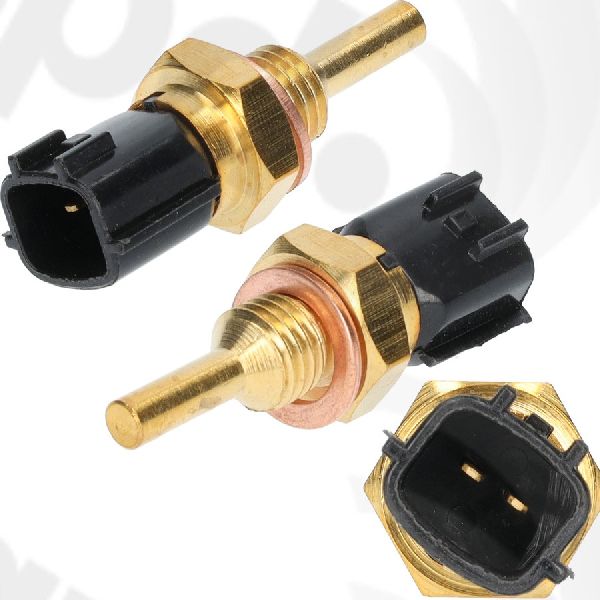
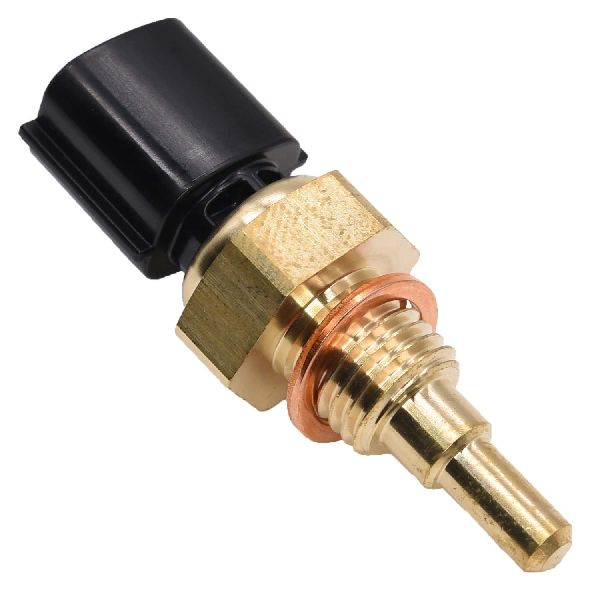
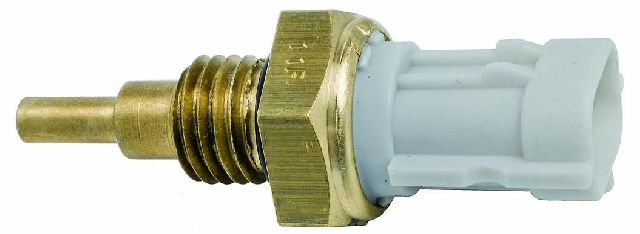
The sensor is a thermistor, which changes its electrical resistance based on coolant temperature. The ECU reads this resistance change to determine engine temperature.
We Have This Part in Stock


The information in this article is provided for general reference and educational purposes only. Vehicle specifications, procedures, and part compatibility can vary by production date, trim level, and region. Always consult your vehicle's factory service manual and verify part numbers before purchasing or performing repairs. Safety-critical components such as airbags, seat belts, and braking systems should be installed by a qualified professional.
- Scion FR-S: