

Ford F-250 Super Duty Oxygen Sensor Guide (2013-2017)
Keep your Super Duty's engine running efficiently by understanding when and how to replace your oxygen sensors.
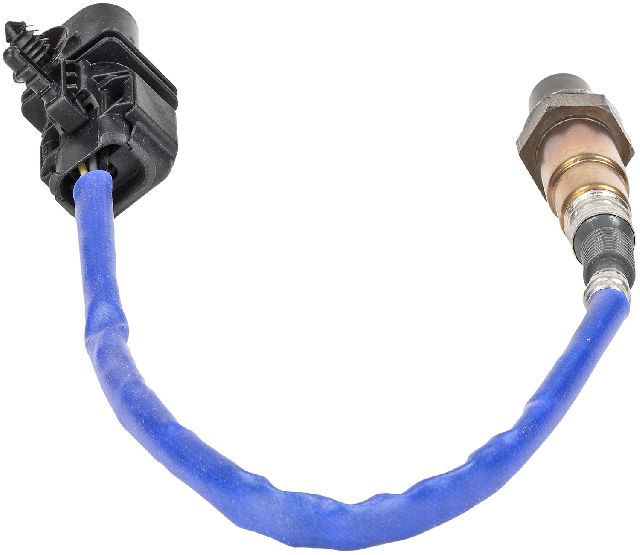
- For the 6.2L gas engine, use direct-fit oxygen sensors from trusted brands like NTK, Denso, or Bosch for best results.
- The 6.7L diesel uses different, more expensive NOx sensors which have a known history of failure covered by a Ford warranty extension program.
- Soak the old sensor with penetrating oil for at least a day before trying to remove it to prevent it from breaking off in the exhaust pipe.
- Your truck has four sensors; a code scanner is needed to identify which one has failed before ordering a replacement.
Is Your Truck's Oxygen Sensor Failing?

A bad oxygen sensor is a common issue that can hurt your fuel mileage and engine performance. When a sensor fails, it sends bad information to your truck's computer, leading to an incorrect air-fuel mixture. This can cause a range of problems, from annoying to serious.
🎬 Watch: A breakdown of common bad oxygen sensor symptomsKey Symptoms of a Bad O2 Sensor:
- Check Engine Light: This is the most common sign. A code reader will often show codes related to the O2 sensor or fuel mixture.
- Worse Gas Mileage: If you're filling up your tank more often, a faulty sensor could be the cause. The engine may be running too rich (too much fuel).
- Rough Idle or Misfires: An unstable air-fuel ratio can make your engine run poorly, especially when stopped.
- Failed Emissions Test: The O2 sensor is a key part of the emissions system. A bad sensor will almost certainly cause a test failure.
Gas vs. Diesel: A Critical Difference
The 6.2L V8 gas engine uses four standard oxygen sensors. The 6.7L Power Stroke diesel engine uses more complex and expensive Nitrogen Oxide (NOx) sensors. These parts are not interchangeable. Be sure to order the correct sensor for your engine type.
Choosing the Right Aftermarket Oxygen Sensor

While you can always go to the dealer, quality aftermarket oxygen sensors offer the same performance for less money. However, not all brands are created equal, and for a hard-working truck, quality matters. Forum members and mechanics often recommend sticking to trusted brands for engine electronics.
Brand Quality Tiers
- Premium Brands (Recommended): Bosch, Denso, NGK/NTK. These companies are often the original equipment manufacturers (OEM) for Ford and other automakers. They are known for their reliability and precise fit. NTK is frequently cited as the original supplier for many Ford trucks.
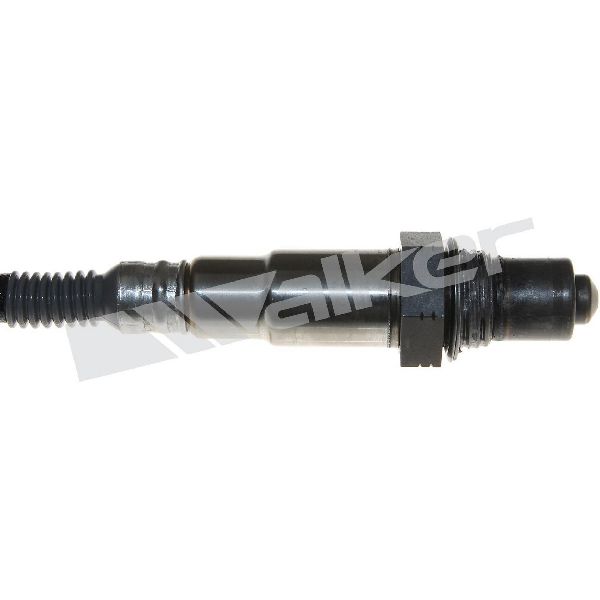
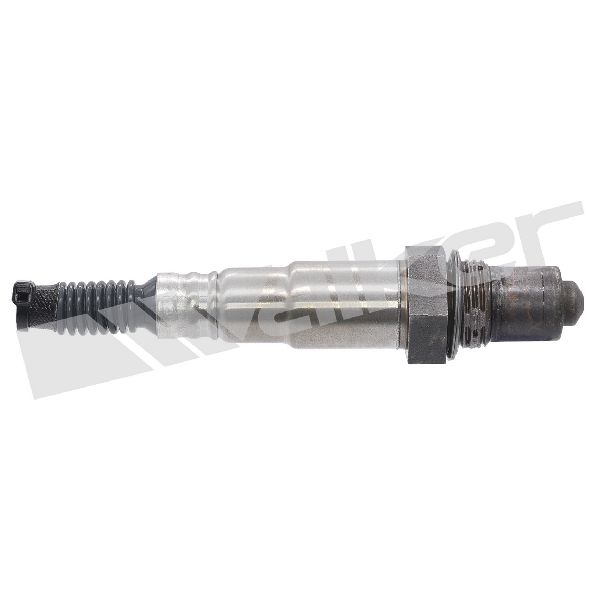
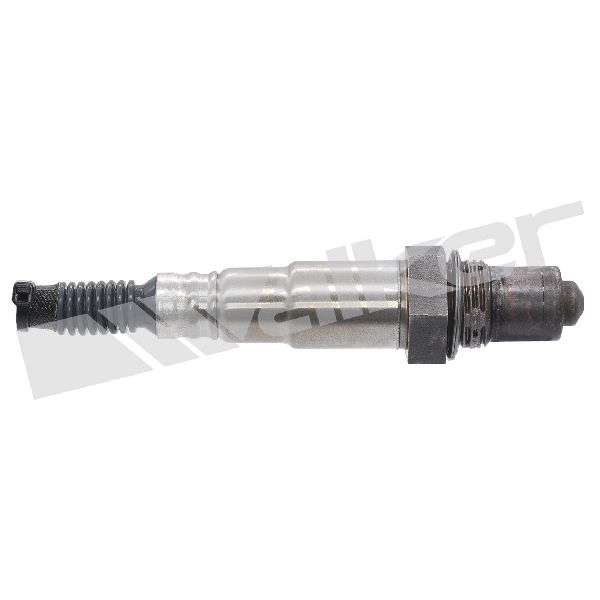
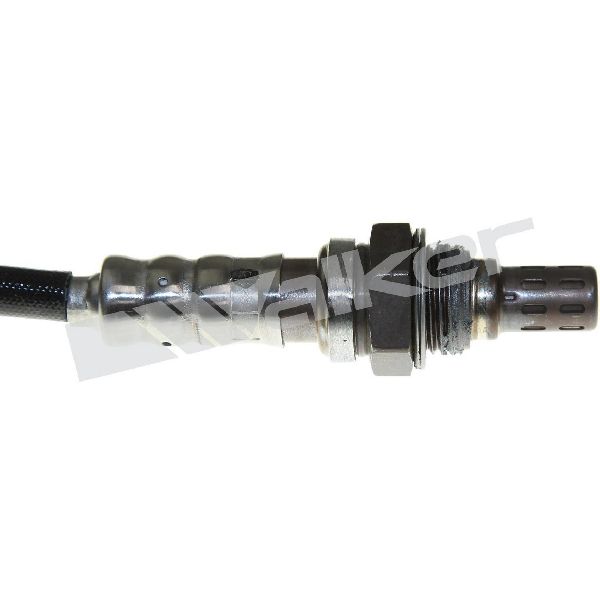
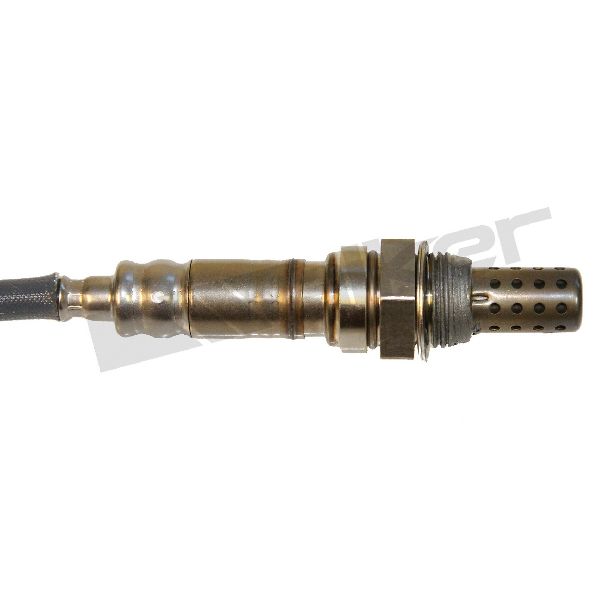
- Standard Brands: Walker Products. A well-known aftermarket brand that offers a balance of quality and value.
- Economy Brands: DriveWire. These are budget-friendly options, but may not offer the same longevity or precise calibration as premium brands.
Pro Tip: Always choose a "direct-fit" sensor. These come with the correct electrical connector for your truck, so you don't have to cut and splice wires. Universal sensors are cheaper but require extra work and create a potential point of failure.
Known Issues for 2013-2017 Models

While there are no widespread recalls for oxygen sensors on the 6.2L gas models, the sensors on the 6.7L Power Stroke diesel have known issues. Ford issued a Customer Satisfaction Program (21N02) that extends the warranty on the front NOx sensor for certain 2013-2016 diesel models due to a high failure rate, especially after a separate emissions recall was performed. This often triggers a P2201 diagnostic trouble code.
Cost of Replacing an Oxygen Sensor
The total cost depends on whether you do it yourself or use a repair shop. The sensors themselves are affordable, but labor can add up, especially if the old sensor is rusted in place.
| Part/Service | Estimated Cost |
|---|---|
| New Aftermarket Oxygen Sensor | $48 - $123 |
| Shop Labor (per sensor) | $75 - $200 |
| Total DIY Cost (per sensor) | $48 - $123 |
| Total Professional Cost (per sensor) | $123 - $323 |
Frequently Asked Questions

How many oxygen sensors does my 6.2L F-250 have?
Your truck has four oxygen sensors. There is one "upstream" (before the catalytic converter) and one "downstream" (after the catalytic converter) sensor for each side of the engine (Bank 1 and Bank 2). Bank 1 is the passenger side, and Bank 2 is the driver's side.
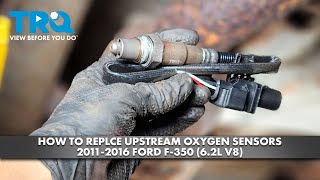
🎬 See this step-by-step upstream sensor replacement walkthroughWhat tools do I need to replace an O2 sensor?
You will need a special oxygen sensor socket, which has a slot for the wire to pass through, or a 22mm (7/8 inch) wrench. It is highly recommended to have penetrating oil to loosen the old sensor and anti-seize compound for the new sensor's threads if it doesn't come pre-applied.
🎬 Watch: How to replace the O2 sensors on your F-250Can I clean my old oxygen sensor?
While some people attempt to clean O2 sensors, it is generally not a reliable or long-term fix. The internal sensing elements wear out over time and cannot be restored by cleaning. Replacement is the only guaranteed solution.
What's the difference between an upstream and downstream sensor?
The upstream sensor (also called Sensor 1) measures the exhaust gases right out of the engine and is the primary sensor used to adjust the air-fuel ratio. The downstream sensor (Sensor 2) measures the gases after they pass through the catalytic converter to make sure the converter is working correctly.
Helpful Videos
![Bad O2 Sensor Symptoms Downstream & Upstream [Oxygen Sensor Failure and Causes] How to fix & Replace](https://img.youtube.com/vi/b-xxdBlikSA/mqdefault.jpg)
Technical Specifications
OEM Part Numbers: DY1384 BR3Z-9F472-A BR3Z-9G444-A
The 6.2L V8 engine uses four heated oxygen sensors (HO2S). Two are upstream (Bank 1 Sensor 1, Bank 2 Sensor 1) and two are downstream (Bank 1 Sensor 2, Bank 2 Sensor 2). They typically use a 4-wire or 5-wire configuration.
We Have This Part in Stock

The information in this article is provided for general reference and educational purposes only. Vehicle specifications, procedures, and part compatibility can vary by production date, trim level, and region. Always consult your vehicle's factory service manual and verify part numbers before purchasing or performing repairs. Safety-critical components such as airbags, seat belts, and braking systems should be installed by a qualified professional.
- Ford F-250 Super Duty:
- 🎬 Helpful Videos
- 🛍️ Shop This Part
- Is Your Truck's Oxygen Sensor Failing?
- Key Symptoms of a Bad O2 Sensor:
- Gas vs. Diesel: A Critical Difference
- Choosing the Right Aftermarket Oxygen Sensor
- Brand Quality Tiers
- Known Issues for 2013-2017 Models
- Cost of Replacing an Oxygen Sensor
- Frequently Asked Questions
- 🎟️ Get 5% Off