

Your 2014-2017 Jeep Cherokee Crankshaft Position Sensor: A Complete Guide
Engine stalling or won't start? Your crankshaft position sensor might be the problem.
- Stalling when hot and a no-start condition are the most critical symptoms of a failing crankshaft sensor.
- For reliability, choose an OEM Mopar or an NTK/NGK branded sensor; budget parts for Jeeps are known to fail prematurely.
- There are no recalls for this sensor on the 2014-2017 Cherokee with 2.4L or 3.2L gas engines.
- A 'relearn' procedure with a scan tool is recommended after installation to ensure proper engine performance.
Is Your Jeep Cherokee's Crankshaft Sensor Failing?

A bad crankshaft position sensor can cause problems that seem random at first. They often get worse when the engine is hot. If you notice one or more of these signs, it's time to investigate this sensor.
Key Failure Symptoms:
- Engine Stalls Unexpectedly: The engine may shut off while you are driving, especially when it has warmed up. This can be dangerous in traffic.
- Trouble Starting the Engine: Your Cherokee might take longer than usual to start (called an extended crank) or may just crank without ever starting up.
- Check Engine Light: A failing sensor will almost always trigger the check engine light. Common trouble codes include P0335, P0336, P0337, P0338, and P0339. 🎬 Watch this video to diagnose these specific engine trouble codes.
- Rough Idle and Misfires: The engine may shake, vibrate, or run unevenly when you're stopped at a light.
- Poor Acceleration: The car might feel sluggish or hesitate when you press the gas pedal because the engine timing is off.
- Worse Gas Mileage: When the engine timing is wrong, it wastes fuel, and you'll notice you're filling up more often.
Choosing the Right Aftermarket Sensor

When it comes to critical sensors on your Jeep, part quality matters a lot. While aftermarket parts can save you money, some are known to fail quickly. Here’s how the brands generally stack up based on mechanic and owner experiences.
OEM vs. Aftermarket Quality
For this specific part, many Jeep owners and mechanics strongly recommend using the original Mopar part or a sensor from the Original Equipment Manufacturer (OEM), which is often NGK (also sold as NTK). Aftermarket sensors, especially budget options, have a reputation for being unreliable, sometimes failing right out of the box or only lasting a few months. If your budget allows, choosing a top-tier part can save you from doing the job twice.
Brand Quality Tiers
- Tier 1 (OEM & Premium): Mopar, NGK (NTK). These are considered the most reliable choices and are often the original parts the vehicle was built with.
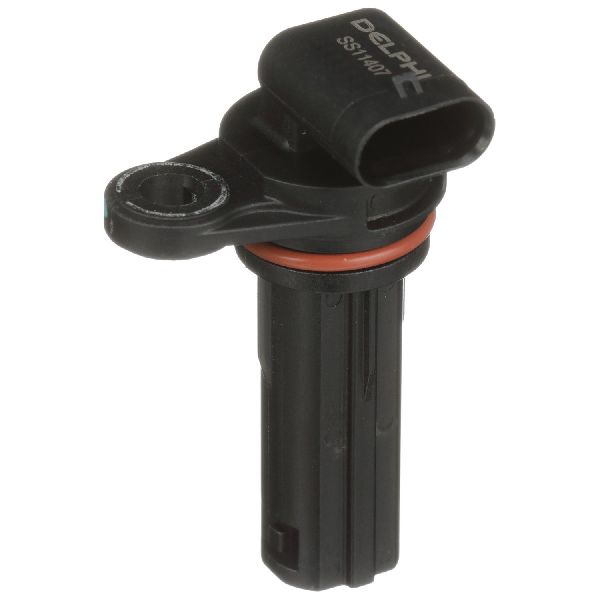
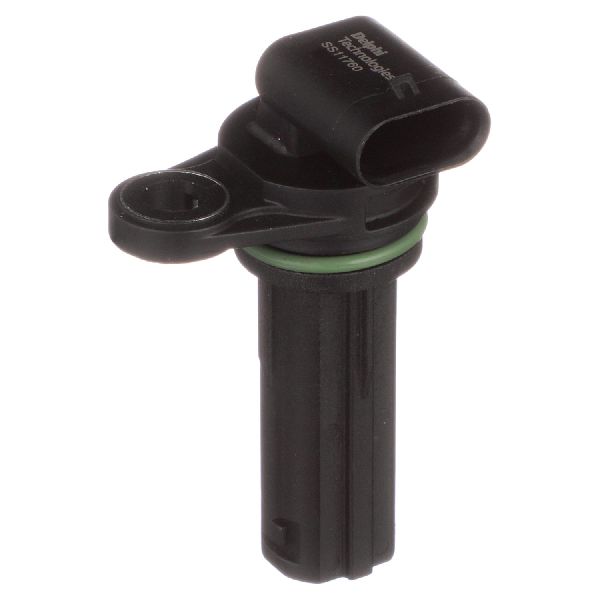
- Tier 2 (Quality Aftermarket): Delphi, Standard Motor Products (SMP), Hitachi. These brands are generally well-regarded and are often OEM suppliers for other car manufacturers. They are a solid choice if an OEM part isn't available.
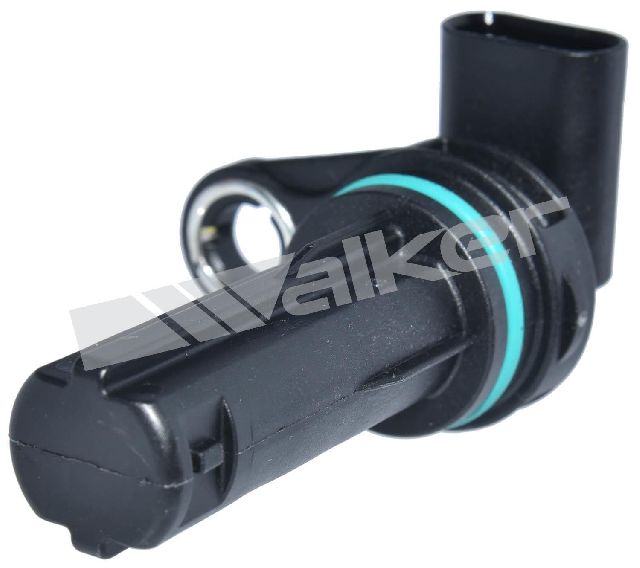
- Tier 3 (Economy): Dorman, Walker Products, and various store brands. While attractively priced, these sensors have a mixed reputation for longevity and consistent performance. Consider these if you need a temporary fix or are on a tight budget.
How Much Does a Replacement Cost?
The cost to replace the crankshaft position sensor depends on your engine and whether you do it yourself or hire a shop.
| Cost Type | Estimated Price |
|---|---|
| New OEM (Mopar) Part | $80 - $140 |
| New Aftermarket Part | $24 - $64 |
| Shop Labor | $100 - $200 |
| Total (Shop Repair) | $125 - $340 |
Frequently Asked Questions

Where is the crankshaft sensor located on my 2014-2017 Cherokee?
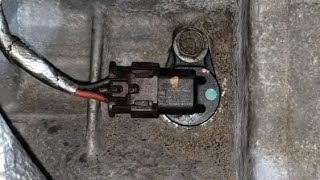
The location depends on your engine. On the 2.4L 4-cylinder engine, it's on the back of the engine block, near the exhaust manifold, and is often behind a small heat shield. 🎬 See a step-by-step walkthrough for the 2.4L sensor replacement. On the 3.2L V6 engine, it is on the lower passenger side of the engine, toward the back. It's usually accessed by removing the passenger-side front wheel and splash shield.
Are there any recalls for this part?
No. While there was a recall for a related part (the crankshaft tone wheel) on some Jeep Grand Cherokees with the 3.0L diesel engine, it does not apply to the 2.4L or 3.2L gas engines in the 2014-2017 Cherokee (KL model).
Is this a difficult DIY job?
It can be. The difficulty is rated as moderate. For both engines, access is tight. On the 2.4L, you're working around a hot exhaust manifold. On the 3.2L, it requires jacking up the vehicle and removing the wheel. It requires patience and the right tools, like socket extensions and swivels.
Do I need to perform a "relearn" procedure after replacement?
Yes, a crankshaft position sensor relearn procedure is often recommended after replacement. This helps the ECU synchronize with the new sensor. A mechanic can do this with a professional scan tool. Some higher-end consumer scan tools may also have this function.
🎬 Watch how to perform the necessary sensor relearn and calibration.Helpful Videos
Technical Specifications
OEM Part Numbers: 68079375AD (For 2.4L, and may also fit 3.2L) 5149167AF (For 3.2L V6)
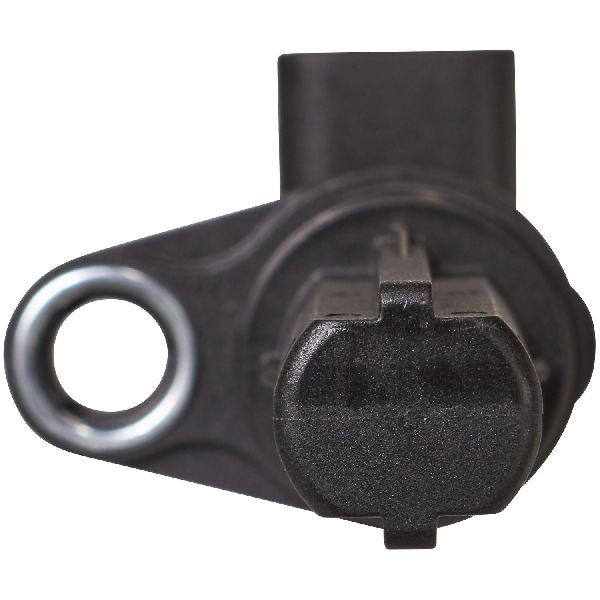
This is a Hall Effect sensor that generates a digital square wave signal for the ECU. It is held in place by a single 10mm bolt and uses a 3-pin electrical connector. Always verify the correct part number for your specific vehicle using the VIN, as multiple part numbers may apply.
We Have This Part in Stock


The information in this article is provided for general reference and educational purposes only. Vehicle specifications, procedures, and part compatibility can vary by production date, trim level, and region. Always consult your vehicle's factory service manual and verify part numbers before purchasing or performing repairs. Safety-critical components such as airbags, seat belts, and braking systems should be installed by a qualified professional.
- Jeep Cherokee: