

A Guide to the Engine Coolant Temperature Sensor for the 2013-2017 Mazda CX-5
Understanding the signs of a failing coolant sensor and how to choose the right replacement for your CX-5.
- Your 2013-2017 CX-5 has two ECT sensors; a failure in one can trigger a check engine light with codes like P0117, P0118, or P011A.
- Symptoms include poor gas mileage, rough idle, an inaccurate temperature gauge, and engine cooling issues.
- Before replacing the sensor, check its electrical connector for corrosion, as a bad connection can mimic a failed part.
- This is an affordable and easy DIY repair, with quality aftermarket parts available from brands like Delphi, NGK, and Standard Ignition.
Is Your CX-5's Coolant Sensor Failing?

A bad engine coolant temperature sensor can cause a range of problems, from annoying to serious. Because this sensor provides key data to the engine computer, a false signal can make the engine behave as if it's either too hot or too cold, regardless of its actual temperature. Catching the signs early can save you from poor performance and prevent more expensive repairs.
Symptoms of a Bad ECT Sensor

If your coolant sensor is going bad, your CX-5 will likely give you a few warning signs. The most obvious is a Check Engine Light on your dashboard. Other common symptoms include:
- Poor Fuel Economy: If the sensor incorrectly tells the computer the engine is cold, the computer will inject extra fuel, causing you to use more gas.
- Rough Idle: The engine may shake or run poorly when stopped because the fuel mixture is wrong.
- Engine Overheating or Slow to Warm Up: A faulty sensor might not turn the cooling fans on when needed, leading to overheating. Conversely, it could cause the blue low-temperature light to stay on much longer than usual.
- Black Smoke from Exhaust: This is a sign that the engine is running too rich (too much fuel), which can be caused by a bad sensor signal.
- Erratic Temperature Gauge: The needle on your dash might jump around, stay on cold, or shoot to hot unexpectedly.
Check Your Connectors First!
Some CX-5 owners have found that a bad electrical connection, not a failed sensor, was the source of their problem. Before buying a new part, inspect the sensor's wiring and connector for any corrosion or damage. Cleaning the contacts with an electronic cleaner could solve the issue.
Choosing the Right Aftermarket Sensor

You don't need to buy the most expensive sensor to get a reliable part. Aftermarket brands offer a good balance of quality and price. For your 2013-2017 CX-5, brands can be grouped into tiers based on reputation and quality.
- Premium Aftermarket (OEM-Quality): Brands like Delphi, NGK, and Beck Arnley are known for making parts that meet or exceed original equipment specifications. They are a solid choice for reliability and peace of mind.
- Standard Aftermarket: Brands such as Standard Ignition (SMP), Hella, and Holstein offer dependable parts that are a great value. They are a popular choice for DIY repairs.
- Economy Brands: Brands like Motorad, Facet, and Global Parts provide a budget-friendly option. While they can get the job done, they may not have the same long-term durability as higher-tier brands.
How Much Does a Replacement Cost?
Replacing an ECT sensor is not an expensive job, especially if you do it yourself. The part itself is affordable, and labor is minimal.
| Part/Service | Estimated Cost |
|---|---|
| New OEM Mazda Sensor | $46 - $65 |
| New Aftermarket Sensor | $13 - $48 |
| Shop Labor | $50 - $100 |
Pro Tip: Replacing the ECT Sensor
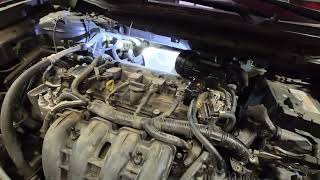
Your CX-5 has two ECT sensors. Sensor 1 is near the thermostat housing by the battery, and Sensor 2 is on the passenger side of the engine against the firewall. The job is straightforward and can often be done in under 30 minutes per sensor. You may lose a small amount of coolant, so have some Mazda FL22 coolant on hand to top it off. For easier access to Sensor 1, you may need to remove the battery.
Frequently Asked Questions

Where is the engine coolant temperature sensor on a 2013-2017 Mazda CX-5?
There are two sensors. The first is located on the engine block near the thermostat housing, which is next to the battery. The second sensor is found on the passenger side, against the firewall, on a coolant hose connection.
Are there any recalls for the CX-5 coolant sensor?
No, there are no specific recalls for the engine coolant temperature sensor on the 2013-2017 Mazda CX-5. However, there are Technical Service Bulletins (TSBs) related to the cooling system, such as one for poor heater performance that involves checking the ECT sensors. There is also a well-known warranty extension for a faulty coolant control valve on 2018 and newer models, which can cause similar symptoms.
What trouble codes are related to a bad ECT sensor?
Common codes include P0117 (circuit low), P0118 (circuit high), and P011A (sensor correlation problem). A P0117 code often means the computer sees a signal indicating the engine is extremely hot, while a P0118 code means it sees a signal for an extremely cold engine.
Can I replace the ECT sensor myself?
Yes, this is a very DIY-friendly repair. It requires basic tools, like a deep socket wrench, and can typically be completed in 10-30 minutes. Just be prepared for a small amount of coolant to spill when you remove the old sensor.
Helpful Videos
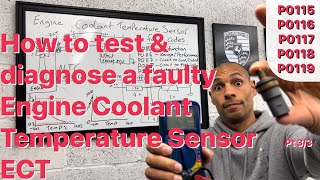
Technical Specifications
OEM Part Numbers: B593-18-840A B593-18-840
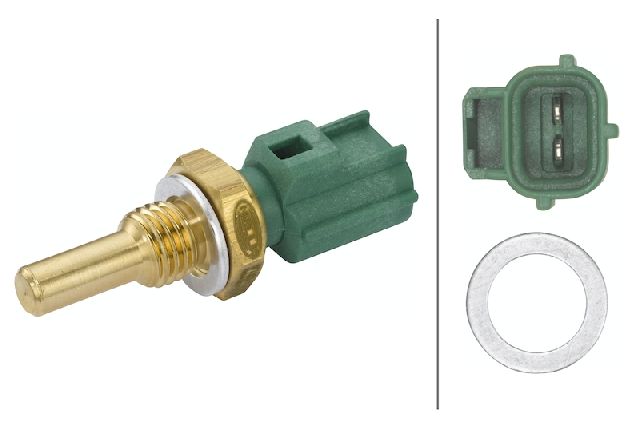
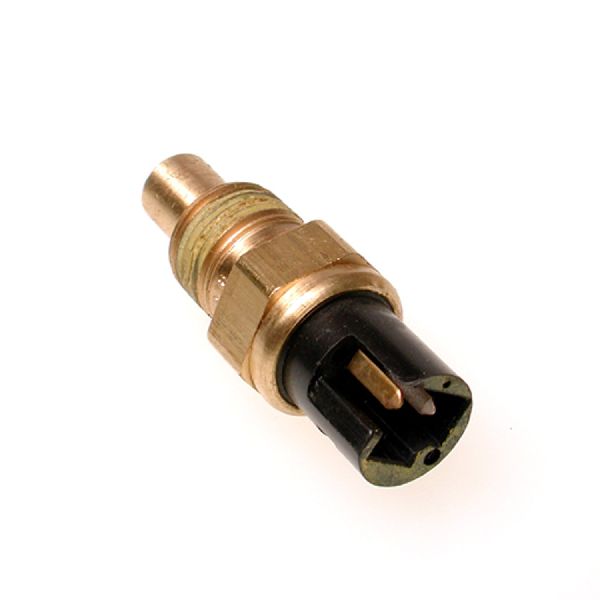
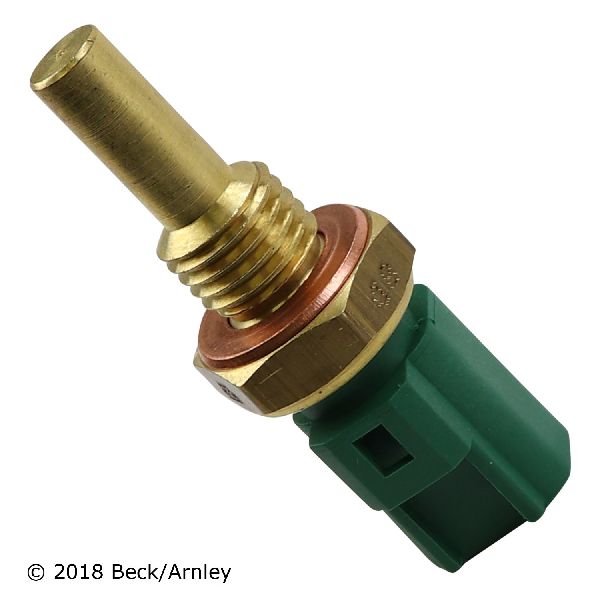
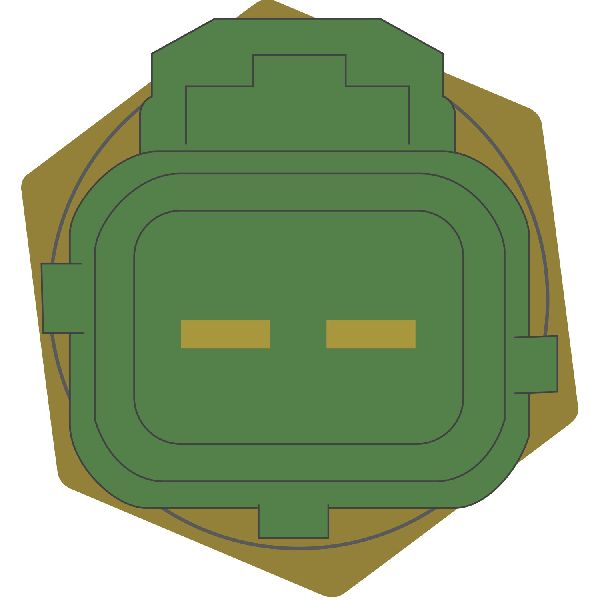
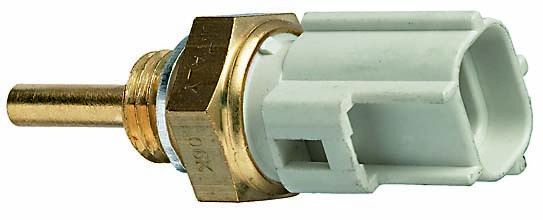
Terminal Type: 2-Pin Blade Connector. Your vehicle is equipped with two separate sensors.
We Have This Part in Stock


The information in this article is provided for general reference and educational purposes only. Vehicle specifications, procedures, and part compatibility can vary by production date, trim level, and region. Always consult your vehicle's factory service manual and verify part numbers before purchasing or performing repairs. Safety-critical components such as airbags, seat belts, and braking systems should be installed by a qualified professional.
- Mazda CX-5: