

Mercedes-Benz E350 (2013-2017) Crankshaft Position Sensor Guide
Having trouble with your E350 starting or running smoothly? A failing crankshaft position sensor could be the culprit.
- A failing crankshaft sensor on your E350 will cause stalling, no-start conditions, and a Check Engine Light (P0335).
- Do not continue driving if you suspect the sensor is failing, as the car can stall at any time, creating a safety risk.
- For this critical part, it is highly recommended to use a premium aftermarket brand like Bosch or Delphi, or a genuine OEM part.
- The sensor is located in a tight spot at the back of the engine, but replacement is possible for a DIYer with the correct E8 Torx socket and extensions.
Is Your E350 Stalling or Hard to Start?
A faulty crankshaft position sensor is a common issue on many Mercedes-Benz models, including the 2013-2017 E350. This small but vital sensor can cause big problems when it fails. Symptoms often get worse as the engine warms up. A classic sign is the engine cranking but refusing to start, or stalling unexpectedly while driving. Because this part is so important for engine timing, a bad sensor can also lead to rough idling, poor acceleration, and lower gas mileage.
Critical Failure Warning
A completely failed crankshaft position sensor will prevent the engine from starting at all. If your car stalls in traffic, it can be a serious safety risk as power steering and brakes may become difficult to operate. It is highly recommended to address failing sensor symptoms promptly.
Common Failure Symptoms
- Engine Cranks, But Won't Start: The ECU doesn't have the information it needs to start the engine.
- Intermittent Stalling: The engine may shut off randomly, especially when hot. This can be caused by damaged wiring or the sensor itself failing under heat.
- Check Engine Light: A failing sensor will often trigger the Check Engine Light and store a fault code like P0335 or P0336.
- Rough Idle and Engine Vibration: The engine may shake or run unevenly because the ECU can't properly time the combustion cycle.
- Poor Acceleration and Power Loss: Your car may feel sluggish or hesitate when you press the gas pedal.
- Reduced Fuel Economy: Improper engine timing leads to inefficient fuel consumption.
Choosing the Right Aftermarket Sensor
When replacing the crankshaft position sensor on your E350, you have a choice between OEM (Original Equipment Manufacturer) and aftermarket parts. While OEM parts are a guaranteed fit and quality, reputable aftermarket brands can offer a reliable and more affordable solution. Forum discussions among Mercedes owners often recommend sticking to well-known OEM suppliers like Bosch, even for aftermarket purchases, to ensure reliability.
Aftermarket Brand Quality Tiers
| Tier | Brands | General Quality & Price |
|---|---|---|
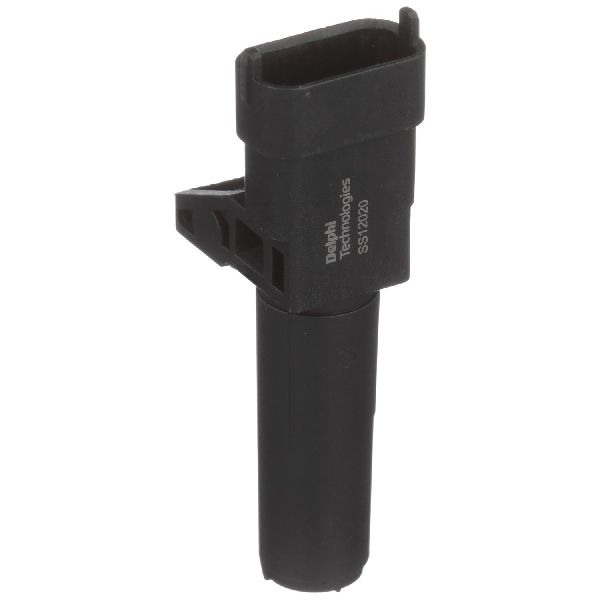
| Premium Aftermarket | Bosch, Delphi, Standard Ignition (Intermotor) | Often OEM suppliers. These brands are generally trusted by mechanics and owners for their quality and reliability, closely matching OEM performance. Price is higher but worth it for a critical part. |
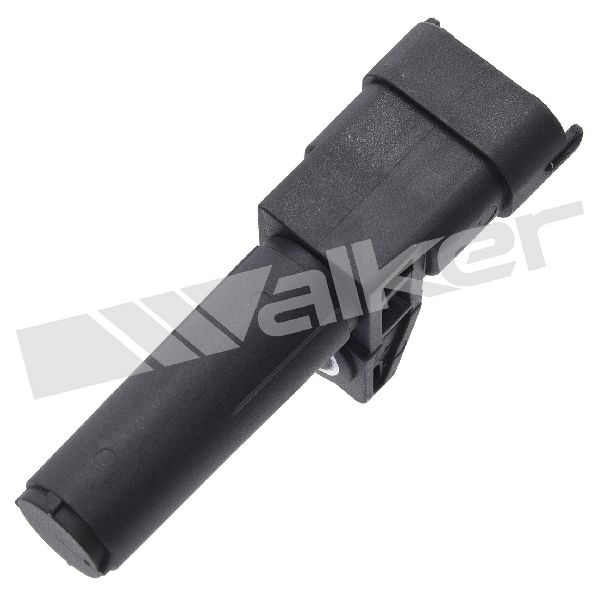
| Standard Aftermarket | Bremi, Spectra, Walker Products | These brands can offer good value. Bremi is a known German brand, but like any aftermarket part, quality can vary. They are a viable option if on a budget, but for a critical sensor like this, a premium brand is often recommended. |
| Economy Aftermarket | Facet, Global Parts, VNE, Vemo | These are typically the most affordable options. However, for a critical sensor that can leave you stranded, using economy brands can be a gamble. Some forum users have noted that Vemo parts can be of lower quality. It's often advised to avoid the cheapest options for this specific component. |
Cost of Replacing the E350 Crankshaft Position Sensor
| Part Type | Estimated Cost |
|---|---|
| New OEM (Mercedes-Benz) | $110 - $160 |
| New Aftermarket | $24.74 - $108.98 |
| Shop Labor | $90 - $150 |
Note: Labor costs can vary based on your location and the repair shop's hourly rate. The replacement is a relatively quick job for an experienced technician.
Installation & Known Issues
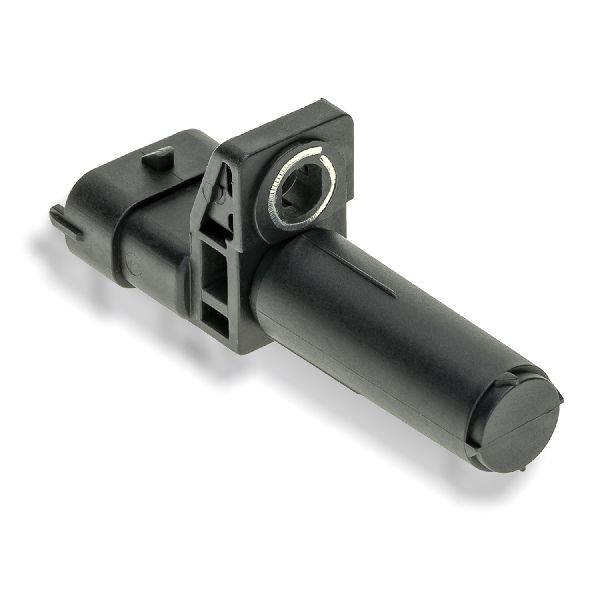
The crankshaft position sensor on the M276 engine in the 2013-2017 E350 🎬 See common issues and maintenance tips for the M276 engine. is located on the driver's side at the rear of the engine, near the top of the transmission bell housing. It is held in by a single E8 external Torx bolt. Access is tight, and it may be easier to reach from the top of the engine bay rather than from underneath. You will likely need a long extension and a 1/4" drive ratchet. No recalls were found specifically for the crankshaft position sensor on the 2013-2017 E350, though older diesel models had a recall for this issue. There are also no specific Technical Service Bulletins (TSBs) for this component on this model year range.
DIY Installation Tip
When reinstalling the new sensor, it can be difficult to get the bolt started without dropping it. A common trick is to place a small piece of paper towel in the E8 socket with the bolt; this will hold it securely while you guide it into the threaded hole by hand.
Frequently Asked Questions
Can I still drive my E350 with a bad crankshaft position sensor?
It is not recommended. A failing sensor can cause the engine to stall at any time, which is a significant safety hazard, especially in traffic. If the sensor fails completely, your car will not start, potentially leaving you stranded.
What is the most common error code for a failing crankshaft sensor?
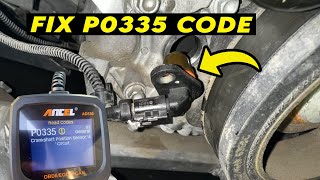
The most common diagnostic trouble code (DTC) is P0335, which indicates a malfunction in the crankshaft position sensor circuit. 🎬 Watch: 6 common causes for the P0335 code you must check. You might also see P0336, which points to a range or performance issue with the sensor's circuit.
Is it better to use an OEM or aftermarket sensor?
For a critical component like this, many Mercedes owners and mechanics recommend using a high-quality aftermarket brand that is also an OEM supplier, like Bosch, or a genuine Mercedes-Benz part. While cheaper options exist, they carry a higher risk of premature failure.
How difficult is it to replace the sensor myself?
The replacement is mechanically simple (one bolt and one electrical connector), but access is very tight. It requires patience and the right tools, specifically an E8 external Torx socket and long extensions. It is considered a sub-one-hour job for someone with experience.
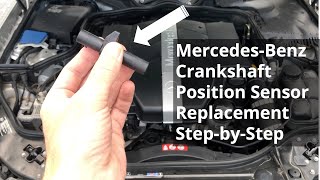
🎬 Watch: Step-by-step guide to replacing your crankshaft position sensor.Do I need to reset the computer after replacing the sensor?
After replacing the sensor, you should use a diagnostic scan tool to clear any stored fault codes. For this specific part on this vehicle, a special relearn procedure is not typically required. The ECU should adapt to the new sensor after the codes are cleared and the engine is run.
Helpful Videos
Technical Specifications
OEM Part Numbers: A2769051200 2769051200 6429050000
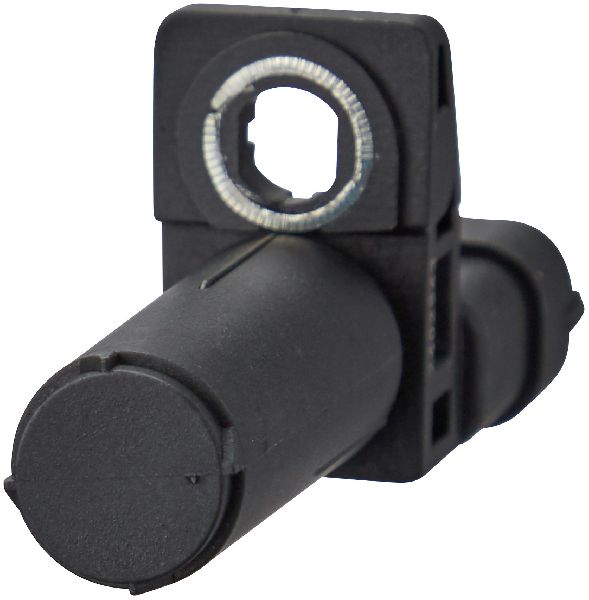
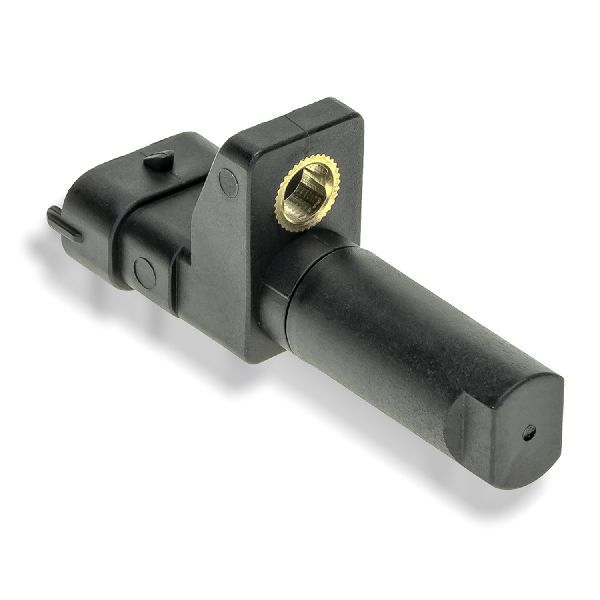
The sensor is located on the driver's side of the engine, at the top of the transmission bell housing. It is secured by one E8 external Torx bolt.
We Have This Part in Stock


The information in this article is provided for general reference and educational purposes only. Vehicle specifications, procedures, and part compatibility can vary by production date, trim level, and region. Always consult your vehicle's factory service manual and verify part numbers before purchasing or performing repairs. Safety-critical components such as airbags, seat belts, and braking systems should be installed by a qualified professional.
- Mercedes-Benz E350:
- 🎬 Helpful Videos
- 🛍️ Shop This Part
- Is Your E350 Stalling or Hard to Start?
- Critical Failure Warning
- Common Failure Symptoms
- Choosing the Right Aftermarket Sensor
- Aftermarket Brand Quality Tiers
- Cost of Replacing the E350 Crankshaft Position Sensor
- Installation & Known Issues
- DIY Installation Tip
- Frequently Asked Questions
- 🎟️ Get 5% Off