

A Comprehensive Guide to the Horn on Your 2013-2017 Toyota Camry
If your Toyota Camry's horn is silent or sounds weak, this guide will help you diagnose the issue and find the right replacement part.
- Always check the 10-amp horn fuse and relay in the engine bay fuse box before assuming the horn itself has failed.
- Your Camry uses a dual-horn system; a weak sound usually means either the high-tone or low-tone horn needs replacement, not necessarily both.
- Replacement is a simple DIY task, with the horns located behind the front grille, making it easy to save on labor costs.
- No specific recalls or TSBs for horn failure were found for the 2013-2017 Toyota Camry.
Is Your Camry's Horn Failing?

A problem with your car horn is usually easy to spot. The most obvious sign is that the horn doesn't make any sound when you press the button on your steering wheel. However, there are other symptoms to watch for.
Because your Camry has two horns working together, one can fail while the other still works. This results in a horn that sounds weak, quiet, or just 'off-key' compared to how it used to sound. In some cases, an electrical short in the horn or its wiring can cause the fuse to blow repeatedly.
Diagnosing the Problem: It Might Not Be the Horn

Before you buy a new horn, it's important to do a little troubleshooting. The problem might be a much cheaper and easier fix. Always check these things first:
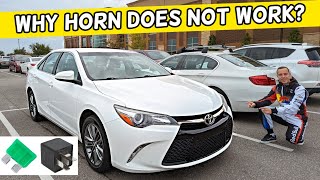
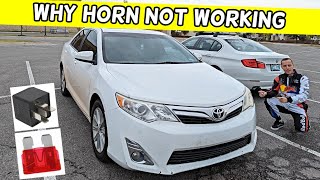
- The Fuse: The most common cause of a dead horn is a blown fuse. Your Camry has a 10-amp horn fuse located in the fuse box in the engine compartment. Check your owner's manual for the exact location, but it is often labeled as fuse #12. If the metal strip inside is broken, replace it with a new fuse of the same rating.
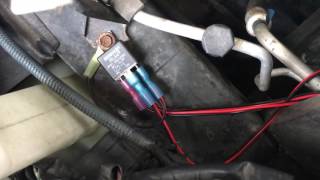
- The Relay: If the fuse is good, the next part to check is the horn relay, which is also in the engine bay fuse box. An easy way to test it is to swap it with an identical relay from a non-essential system (like the fog lights) and see if the horn works. If it does, you just need a new relay.
- The Horn Itself: If the fuse and relay are fine, the horn itself has likely failed. This can happen due to age, corrosion from weather, or internal damage.
Pro Tip: High Tone or Low Tone?
Your Camry has a high-tone and a low-tone horn. If your horn sounds weak, you only need to replace the one that has failed. To figure out which one is broken, locate the two horns behind the front grille. Unplug one and have a friend press the horn. If it makes no sound, you've found the broken one.
Choosing the Right Aftermarket Horn

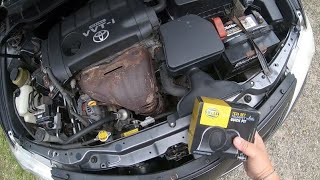
When replacing your Camry's horn, you have a choice between an original equipment (OEM) part from Toyota or an aftermarket part. For this vehicle, a quality aftermarket horn is a reliable and cost-effective choice.
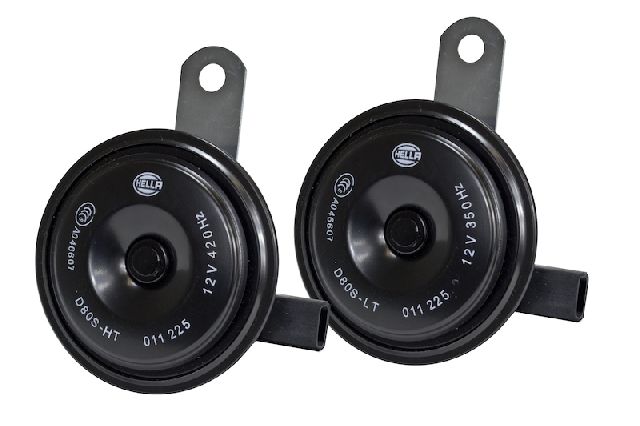
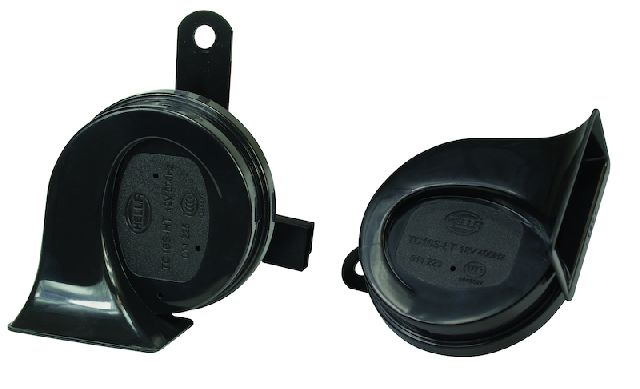
Hella Brand Horns: Hella is a well-known German brand that has been making automotive parts for over a century. They are a popular choice for horn replacements and offer a few options:
- OE Replacement: Hella makes direct-fit replacement horns that are designed to perform just like the original. They are built to be durable and resistant to weather, ensuring a long service life.
- Upgraded Tones: Hella also offers horns like the Twin Trumpet or Supertone series. These horns often provide a louder, more piercing sound than the stock horns, which some drivers prefer for added safety and presence on the road.
Aftermarket horns from a reputable brand like Hella provide OEM-level quality and are a perfectly good option for your Camry. They often come with the necessary brackets and connectors for a straightforward installation.
| Part Type | Estimated Cost |
|---|---|
| New OEM (Toyota) | $90 - $110 |
| New Aftermarket (Hella) | $35 - $74 |
| Used OEM | $25 - $60 |
| Shop Labor | $52 - $76 |
Frequently Asked Questions (FAQ)

Do I need to replace both horns at the same time?
No, you only need to replace the specific horn (high or low tone) that has failed. However, since both horns are the same age, the other one might fail in the near future. Replacing them as a pair is an option for preventative maintenance but is not required.
Is replacing the horn on a 2013-2017 Camry a difficult job?
No, this is considered an easy DIY job. The horns are located behind the front grille and are typically accessible after removing a few plastic clips and a cover. It requires basic hand tools and can usually be done in under an hour.
What if I replace the fuse and it blows again right away?
If a new fuse blows immediately, it means you have a short circuit somewhere in the horn's wiring. This could be a frayed wire touching the metal frame of the car. You will need to trace the wiring from the horn back to the fuse box to find and repair the damaged section.
What if the fuse, relay, and horn are all good, but it still doesn't work?
In rare cases, the problem can be in the steering wheel itself. A part called the "clock spring" creates the electrical connection for the horn button. If the clock spring fails, the horn (and often the airbag light will come on) will stop working. This is a more complex and expensive repair that is best left to a professional mechanic.
Are there any recalls for the horn on my Camry?
Based on searches of the National Highway Traffic Safety Administration (NHTSA) database, there are no active recalls or technical service bulletins (TSBs) specifically for horn failure on the 2013-2017 Toyota Camry.
Helpful Videos



Technical Specifications
OEM Part Numbers: 86510-AA010 (High-Pitched Horn) 86520-AA010 (Low-Pitched Horn)
System Type: Dual Horn (High and Low Tone) Voltage: 12V Fuse Rating: 10 Amp
We Have This Part in Stock

The information in this article is provided for general reference and educational purposes only. Vehicle specifications, procedures, and part compatibility can vary by production date, trim level, and region. Always consult your vehicle's factory service manual and verify part numbers before purchasing or performing repairs. Safety-critical components such as airbags, seat belts, and braking systems should be installed by a qualified professional.
- Toyota Camry: