

A Guide to Replacing the Radiator in Your 2013-2017 Volkswagen Jetta
Keep your Jetta's engine cool and prevent overheating by choosing the right replacement radiator.
- Radiator leaks on the Jetta commonly occur where the plastic side tanks are crimped to the aluminum core.
- Before replacing the radiator, verify the leak isn't from the thermostat housing, another common VW failure point.
- For a reliable, long-lasting repair, choose an OEM-equivalent brand like Mahle/Behr, Denso, or Nissens.
- Always refill the system with the correct VW-specific G12 or G13 pink/purple coolant to prevent damage.
Is Your Jetta's Radiator Failing?

A bad radiator can lead to serious engine damage if you ignore it. Watch for these clear warning signs that your 2013-2017 VW Jetta needs a new radiator.
- Engine Overheating: The most serious sign. If the temperature gauge on your dashboard climbs into the red, pull over as soon as it's safe. Driving with an overheating engine can cause catastrophic failure.
- Coolant Leaks: Finding puddles of pink or purple liquid under the front of your car is a major red flag. These leaks often happen where the plastic sides (end tanks) are joined to the metal center (core) of the radiator.
- Low Coolant Warning Light: Your Jetta's dashboard will alert you if the coolant level is low. While this could be from another issue like a leaking thermostat housing, you should always check for a radiator leak.
- Sweet Smell: Leaking coolant has a distinct sweet smell. If you notice this smell coming from your engine bay after driving, it's a sign of a leak.
- Visible Damage or Corrosion: Look at the radiator itself. If you see bent fins, white crusty deposits, or rust-colored stains, the radiator is likely damaged and needs replacement.
Check Other Common Leak Points
On this generation of Volkswagen, coolant leaks are also very common from the plastic thermostat and water pump housing. Before ordering a new radiator, it's wise to have the cooling system pressure-tested by a mechanic to confirm the exact source of the leak.
Choosing the Right Aftermarket Radiator

You don't need to buy a radiator from the Volkswagen dealer to get a quality part. Aftermarket brands often provide the same quality, or even better, for less money. They can be grouped into three main tiers.
Tier 1: OEM-Equivalent Brands
These brands are known for making parts for car manufacturers directly, so their quality and fit are very reliable. They are excellent choices for a direct, no-hassle replacement that will perform like the original.
- Mahle (Behr): Behr is a well-known original equipment manufacturer for Volkswagen. Choosing a Mahle or Behr radiator is the closest you can get to the factory part.
- Denso: A massive global OEM supplier known for high-quality components that meet or exceed factory standards.
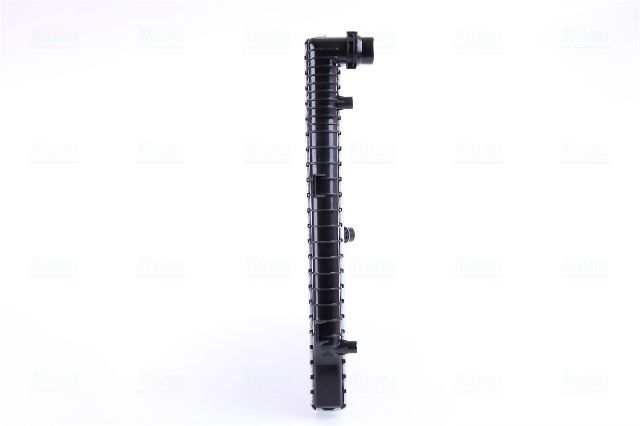
- Nissens: A respected European brand that specializes in cooling systems and manufactures its parts to OE specifications for fit and performance.
Tier 2: Performance Brands
If you have a modified Jetta (like a GLI) or simply want to upgrade your cooling system, these brands offer enhanced performance, often with all-aluminum construction instead of plastic end tanks.
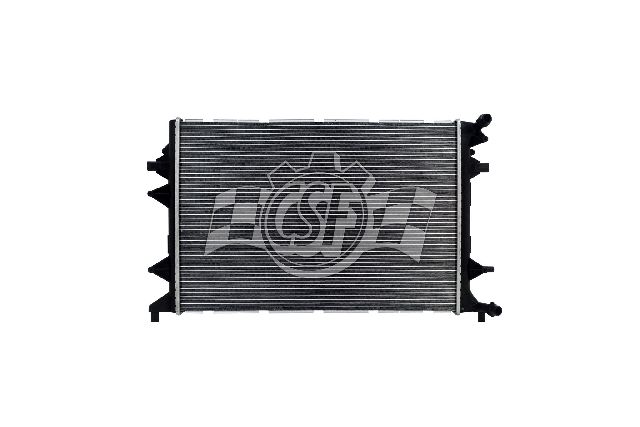
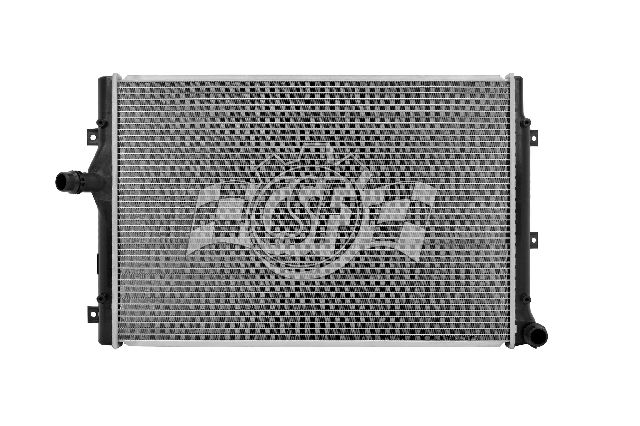
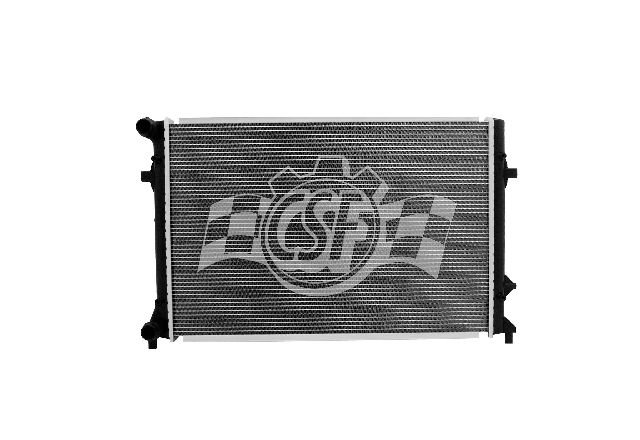
- CSF & Koyorad: Both are highly regarded for their engineering and build quality, especially in racing and performance circles. They focus on thermal efficiency and durability under stress.
- Mishimoto: Very popular with a great lifetime warranty. While some users report excellent results, others note that the quality can be inconsistent compared to CSF or Koyorad. It's a solid choice for a daily driver but may not be the top pick for heavy-duty use.
Tier 3: Standard Aftermarket Brands
These brands offer a great balance of affordability and reliability for daily driving. They are a dependable and cost-effective solution for getting your Jetta back on the road.
- Spectra: A widely available brand that has been a reliable choice for years.
- Global Parts, Onix, One Stop Solutions: These brands provide a functional replacement at an accessible price point, making them a smart choice for budget-conscious repairs.
A Note on Fitment
The 2013-2017 Jetta was available with several different engines (1.4T, 1.8T, 2.0L, 2.5L, 2.0T GLI, and TDI diesel). Always confirm the radiator fits your specific engine and transmission (manual or automatic) before ordering.
Cost of Replacing a 2013-2017 Jetta Radiator

| Part Type | Estimated Cost |
|---|---|
| New Aftermarket Radiator | $86 - $457 |
| New OEM (Dealer) Radiator | $350 - $600 |
| Shop Labor | $300 - $500 |
| Total Professional Replacement | $400 - $1100+ |
Frequently Asked Questions

Is replacing the radiator a DIY job?
For someone with good mechanical skills and the right tools, yes. The process involves draining the coolant, removing the air intake and cooling fans, carefully disconnecting the A/C condenser, and swapping the unit. It can take 2-4 hours. If you are not comfortable with this, it's best to have a professional mechanic do the work.
Do I need to replace my radiator hoses at the same time?
It is highly recommended. The radiator hoses are made of rubber and wear out over time. Since you already have the system drained and are removing the old hoses anyway, replacing them now is cheap insurance against a future leak.
What kind of coolant should I use in my Jetta?
You must use a Volkswagen-approved coolant, typically G12, G12++, or G13, which is pink or purple. Do not use generic green or orange coolant from a local auto parts store. Using the wrong type can cause corrosion and damage to your cooling system.
Are there any recalls on the 2013-2017 Jetta radiator?
No, there are no specific recalls for the radiator on these models. There was a recall for some 2017 models with the 1.4L engine for an engine block defect, but it was not related to the radiator itself.
Helpful Videos
Technical Specifications
OEM Part Numbers: 5C0121251D 5C0121251E 5C0121251L
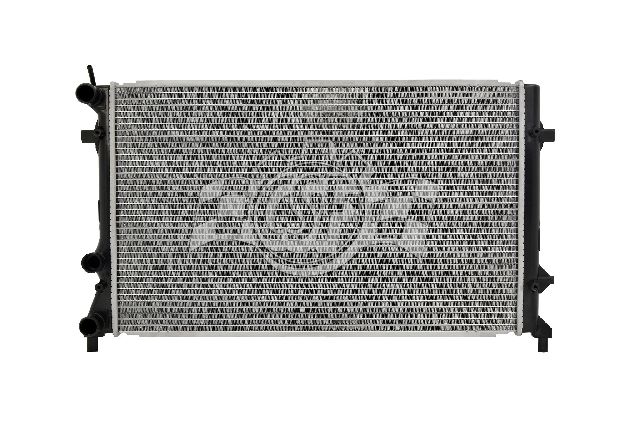
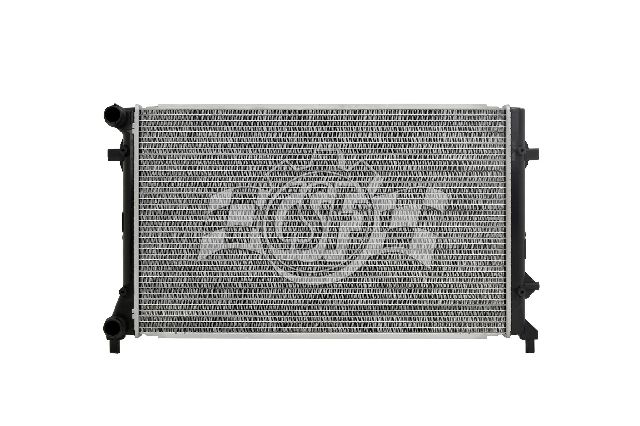
Core Material: Aluminum; Tank Material: Plastic. Fitment varies by engine (1.4T, 1.8T, 2.0L, 2.5L, 2.0T, TDI) and transmission type (Manual/Automatic).
We Have This Part in Stock

The information in this article is provided for general reference and educational purposes only. Vehicle specifications, procedures, and part compatibility can vary by production date, trim level, and region. Always consult your vehicle's factory service manual and verify part numbers before purchasing or performing repairs. Safety-critical components such as airbags, seat belts, and braking systems should be installed by a qualified professional.
- Volkswagen Jetta:
- 🎬 Helpful Videos
- 🛍️ Shop This Part
- Is Your Jetta's Radiator Failing?
- Check Other Common Leak Points
- Choosing the Right Aftermarket Radiator
- Tier 1: OEM-Equivalent Brands
- Tier 2: Performance Brands
- Tier 3: Standard Aftermarket Brands
- A Note on Fitment
- Cost of Replacing a 2013-2017 Jetta Radiator
- Frequently Asked Questions
- 🎟️ Get 5% Off