

Diagnosing and Replacing the MAP Sensor on a 2013-2018 Audi A6
Is your Audi A6 running rough or losing power? Your MAP sensor might be the culprit.
- A faulty MAP sensor will almost always trigger a Check Engine Light, most commonly with code P0106.
- Symptoms like rough idle and power loss can mimic other issues, so scanning for codes is a crucial first step.
- Before ordering, physically check the part number on your old sensor to ensure you buy the correct replacement.
- For this vehicle, choosing a reputable aftermarket brand like Standard Ignition or Vemo is a safer bet than budget options.
Is Your Audi A6 MAP Sensor Failing?

When the Manifold Absolute Pressure (MAP) sensor on your 2013-2018 Audi A6 starts to fail, your car's computer gets bad information. This can cause a number of noticeable engine problems. Because the sensor is key to managing the air-fuel mixture and turbo boost, a bad sensor can make your sophisticated Audi engine feel sluggish and unpredictable.
Top 5 Symptoms of a Bad MAP Sensor
- Check Engine Light: This is often the first sign. A code like P0106 is a strong clue that the MAP sensor's signal is out of the expected range. 🎬 Watch how a P0106 code triggers multiple dashboard warning lights.
- Poor Engine Performance: You might feel a significant loss of power, slow or hesitant acceleration, or a delay in turbocharger response.
- Rough Idle and Stalling: The engine may idle unevenly, shake, or even stall when you come to a stop because the fuel mixture is incorrect.
- Worse Fuel Economy: If the ECU thinks there is more pressure than there really is, it will inject too much fuel, causing your gas mileage to drop.
- Black Smoke from Exhaust: This is a sign of a rich fuel mixture, where too much gasoline is being burned. This can happen when the MAP sensor sends a false high-pressure reading.
Can You Clean a MAP Sensor?
While some sensors on a car can be cleaned, it is generally not recommended for a MAP sensor, especially on an Audi. These sensors are sensitive. Using chemical cleaners or compressed air can damage the delicate internal diaphragm. Contamination from oil or carbon is a common cause of failure, and if the sensor is dirty enough to cause problems, it's usually best to replace it.
Choosing the Right Aftermarket MAP Sensor

You don't have to buy the most expensive part from the dealer. Aftermarket brands offer a range of quality and price. For a critical sensor like this on an Audi, it's wise to avoid the cheapest options and choose a reputable brand.
- Premium Aftermarket (e.g., Standard Ignition, Vemo): Brands like Standard Motor Products (Standard Ignition) have a strong reputation for quality that often rivals original parts. Vemo is a German brand that specializes in parts for European cars. These are solid choices for owners who want reliability without the dealer price tag.
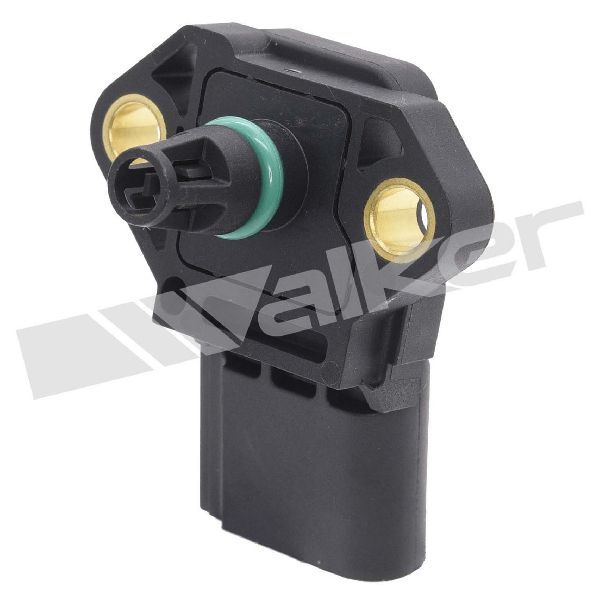
- Standard Aftermarket (e.g., Walker Products): Walker is a well-known aftermarket manufacturer that produces a wide range of sensors. They are a good middle-ground option, offering decent quality and value.
- Economy Brands (e.g., Global Parts): While the low price is tempting, economy brands can be a gamble. For a precision vehicle like an A6, an unreliable sensor can cause persistent performance issues, costing you more in the long run with repeated diagnostics.
Pro Tip: Match the Part Number!
The single most important step before buying is to identify the part number on your car's original sensor. Different engines (2.0T, 3.0T) and model years can use different sensors. Checking the number on the old part is the only way to guarantee a perfect fit and avoid the frustration of getting the wrong component.
Cost of Replacing an Audi A6 MAP Sensor

Here is a general breakdown of what you can expect to pay. Prices can vary based on your location and specific engine type.
| Part Type | Estimated Cost |
|---|---|
| New OEM (Dealer) | $150 - $240 |
| New Aftermarket | $35 - $165 |
| Shop Labor | $55 - $90 |
| Total Professional Replacement | $200 - $320+ |
Frequently Asked Questions

Are there any recalls for the Audi A6 MAP sensor?
No, as of early 2026, there are no specific recalls or widespread Technical Service Bulletins (TSBs) from Audi or the NHTSA for MAP sensor failure on the 2013-2018 Audi A6. Failures are typically isolated incidents due to age, mileage, or contamination.
Where is the MAP sensor located on the Audi A6?
The MAP sensor is typically mounted directly on the intake manifold or on the plastic boost piping between the intercooler and the throttle body. Access can be tight, but it is usually held in place by one or two T20 or T30 Torx screws.
🎬 See this walkthrough on how to change your MAP sensor.Can a bad MAP sensor cause my turbo to stop working?
It can feel that way. A faulty MAP sensor can send incorrect boost pressure readings to the ECU. The ECU might react by putting the car into "limp mode" to protect the engine, which severely limits power and makes it feel like the turbo isn't working.
🎬 Watch this diagnostic video for Audi boost pressure sensor faults.What is the difference between a MAP and a MAF sensor?
Your Audi has both. The Mass Air Flow (MAF) sensor measures the *volume and density* of air entering the engine, usually located right after the air filter. The Manifold Absolute Pressure (MAP) sensor measures the *pressure* of the air inside the intake manifold, after the throttle. They work together to give the ECU a complete picture of what the engine is doing.
Helpful Videos
Technical Specifications
OEM Part Numbers: 038906051J 038906051E 03C906051F
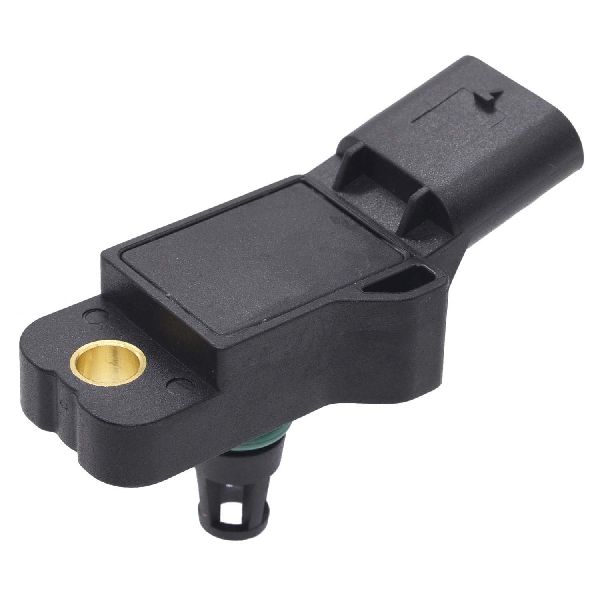
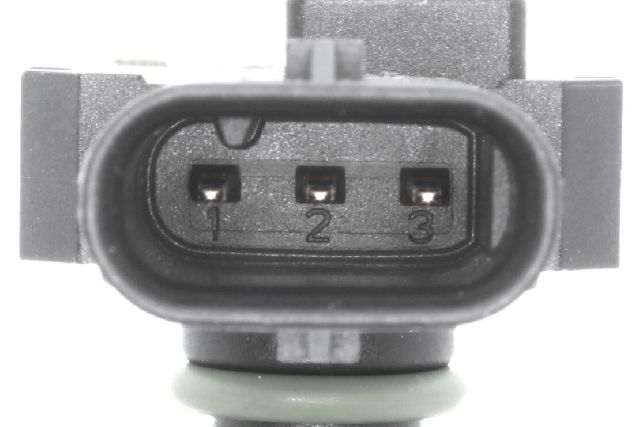
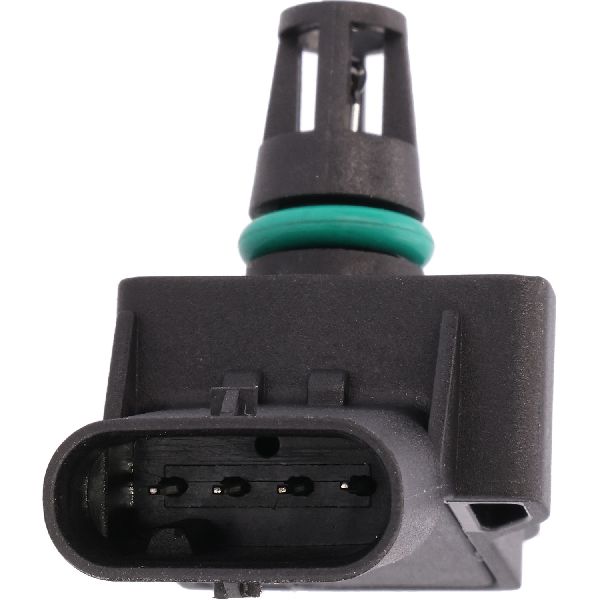
Typically a 3-pin or 4-pin electronic sensor. The 4-pin version often includes an integrated intake air temperature sensor (TMAP). It is usually secured with one or two Torx screws.
We Have This Part in Stock


The information in this article is provided for general reference and educational purposes only. Vehicle specifications, procedures, and part compatibility can vary by production date, trim level, and region. Always consult your vehicle's factory service manual and verify part numbers before purchasing or performing repairs. Safety-critical components such as airbags, seat belts, and braking systems should be installed by a qualified professional.
- Audi A6: