

A Guide to the 2013-2018 Audi A6 Quattro Fuel Pump Module Assembly
Understand the symptoms of a failing in-tank fuel pump and learn how to choose the right replacement for your A6.
- Symptoms of a bad fuel pump and a bad fuel pump control module are identical; diagnosis is key to avoiding replacing the wrong part.
- A loud whining noise from the rear seat area is a common early warning sign of a failing fuel pump motor.
- The replacement is DIY-friendly, located under the rear seat, but requires safety precautions when handling fuel.
- Several fuel system recalls exist for this A6 generation; check your VIN on the NHTSA website to see if your car is affected.
Is Your Audi A6 Fuel Pump Failing?
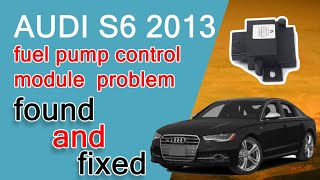
 🎬 See how to identify and fix a faulty control module.s." loading="eager" fetchpriority="high" style="max-width:100%;height:auto;border-radius:6px;display:block;box-shadow:0 2px 8px rgba(0,0,0,0.1);" />
A failing fuel pump module in your 2013-2018 Audi A6 Quattro can cause serious drivability issues and leave you stranded. The symptoms often start small but can lead to a no-start condition. Recognizing the signs early can help you address the problem before it becomes critical.
Common Failure Symptoms
- Engine Cranks but Won't Start: This is a classic sign of a completely failed fuel pump. The engine turns over but never fires up because it's receiving no fuel.
- Stalling, Especially When Hot: The engine may start and run for a while, then die unexpectedly. It might refuse to restart until it has cooled down, which can point to an overheating pump or control module.
- Hesitation Under Acceleration: When you press the gas, the car may sputter or feel like it's losing power. This happens because the weak pump can't supply the extra fuel the engine demands.
- Loud Whining Noise: A failing pump motor often makes a loud, high-pitched whining or humming sound. You'll hear it coming from the rear seat area, where the fuel tank is located.
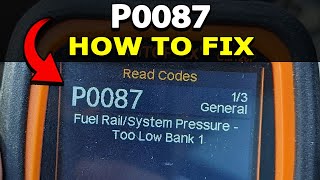
- Check Engine Light: A failing fuel system will often trigger the check engine light. The most common trouble code is P0087, which means the fuel system pressure is too low. 🎬 Watch this video to understand common causes for P0087 codes.
Important: Fuel Pump vs. Control Module
On the C7 platform A6, the Fuel Pump Control Module (J538) is a very common failure point. It produces the exact same symptoms as a bad fuel pump, including a P0087 code. The module can fail from overheating, and a burnt electrical connector on the pump's access cover is a tell-tale sign. Always inspect the module and its wiring before replacing the entire pump assembly, as the module itself is much more difficult to replace.
Known Issues, Recalls, and Service Bulletins

Several notices from Audi and the NHTSA are relevant to the fuel system on this generation of A6 Quattro:
- NHTSA Recall 16V-730 (Audi #24BZ): This recall was for some 2012-2013 A6 models with a fuel hose in the engine bay that could degrade and leak. The official remedy included replacing the hose and, as a precaution, the in-tank fuel pump assembly.
- NHTSA Recall 17V-781 (Audi #20AR): Affecting 2012-2014 A6 models, this recall addressed a fuel line that could weaken and leak, creating a fire risk.
- NHTSA Recall (Audi #24DP): For 2016-2018 A6 models, this recall was issued because the fuel rails on the engine could leak.
- Technical Service Bulletin (TSB) 2031368/1: This bulletin warns technicians that a P0087 code does not automatically mean the high-pressure fuel pump has failed. It stresses the need to diagnose the entire fuel system, including the low-pressure in-tank pump.
You can check for open recalls on your specific vehicle by entering its VIN on the NHTSA website.
Choosing an Aftermarket Fuel Pump: OEM vs. Delphi

When your fuel pump fails, you have a choice between a new OEM (Original Equipment Manufacturer) part from an Audi dealer or a new aftermarket part. For the A6 Quattro, the price difference is significant.
- OEM: The original part is guaranteed to fit and perform correctly, but it comes at a high cost.
- Aftermarket (Delphi): Delphi is a well-regarded brand that has historically been an OEM supplier for many manufacturers. While the company has been restructured over the years, it is still considered a top-tier choice for aftermarket fuel system components. For a critical part like a fuel pump, choosing a quality aftermarket brand like Delphi provides a reliable repair without the high cost of an OEM part.
Given the significant cost savings, a new aftermarket pump from a reputable brand like Delphi is a smart financial decision for a vehicle that is out of warranty.
Cost of Replacing the Fuel Pump Module Assembly
| Part Type | Estimated Part Cost |
|---|---|
| New OEM | $873 - $997 |
| New Aftermarket (Delphi) | $381.89 |
| Shop Labor | $225 - $330 |
| Total (Aftermarket Part + Labor) | $606 - $712 |
Frequently Asked Questions

Can I replace the A6 fuel pump myself?
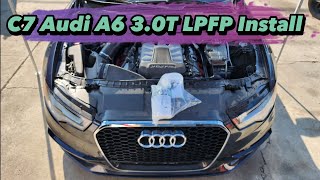
Yes, this is a DIY-feasible job for someone with some mechanical experience. The pump is accessed by removing the rear seat bench. 🎬 Watch this step-by-step guide to replacing the low pressure pump. You will need basic tools, and you must take safety precautions when working with fuel, such as disconnecting the battery and ensuring the fuel tank is as empty as possible. The most difficult step is often removing the large plastic lock ring that holds the pump in place.
What is the difference between the low-pressure and high-pressure fuel pump?
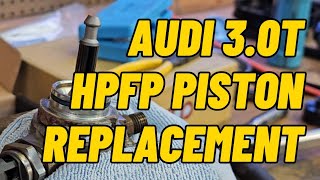
The low-pressure pump (this part) is inside the gas tank and sends fuel to the engine. The high-pressure fuel pump (HPFP) is mounted on the engine itself and pressurizes the fuel to the extreme levels needed for direct injection. A failure in the low-pressure pump will starve the high-pressure pump of fuel, causing the engine to run poorly or not at all.
Why does my car have a P0087 code?
P0087 means "Fuel Rail/System Pressure - Too Low." This code gets triggered when the fuel pressure sensor detects that pressure is below the required level. While this can be caused by a failing in-tank fuel pump, it can also be caused by a bad fuel pump control module, a clogged fuel filter, a failing high-pressure pump, or a leaking fuel injector. Proper diagnosis is essential before replacing parts.
Should I replace the fuel filter at the same time?
Yes. Replacing the fuel filter is always recommended when installing a new fuel pump. A clogged filter can restrict flow, putting extra strain on the new pump and potentially causing it to fail prematurely. Some forum users recommend only using an OEM fuel filter.
Helpful Videos

Technical Specifications
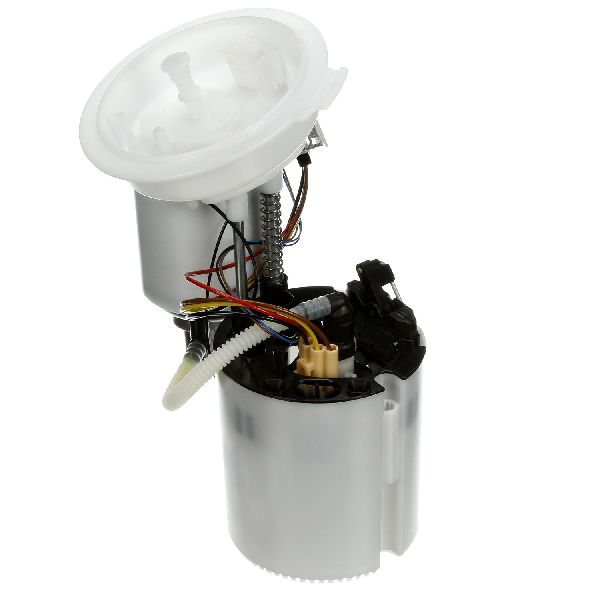
OEM Part Numbers: 4G0919051K 4G0919051C
This is the in-tank low-pressure fuel pump (LPFP) module assembly. It includes the pump, sending unit (fuel level sensor), and housing.
We Have This Part in Stock

The information in this article is provided for general reference and educational purposes only. Vehicle specifications, procedures, and part compatibility can vary by production date, trim level, and region. Always consult your vehicle's factory service manual and verify part numbers before purchasing or performing repairs. Safety-critical components such as airbags, seat belts, and braking systems should be installed by a qualified professional.
- Audi A6 Quattro:
- 🎬 Helpful Videos
- 🛍️ Shop This Part
- Is Your Audi A6 Fuel Pump Failing?
- Common Failure Symptoms
- Important: Fuel Pump vs. Control Module
- Known Issues, Recalls, and Service Bulletins
- Choosing an Aftermarket Fuel Pump: OEM vs. Delphi
- Cost of Replacing the Fuel Pump Module Assembly
- Frequently Asked Questions
- 🎟️ Get 5% Off