

A Practical Guide to Suspension Control Arms for the 2013-2018 Audi Q3 Quattro
Understanding when to replace your control arms and how to choose the right aftermarket part for your Q3.
- A clunking noise over bumps and wandering steering are the most common signs of a failing control arm on your Q3.
- Not all front-end noises mean a bad control arm; Audi has TSBs for other noise sources, so a proper diagnosis is key.
- Aftermarket brand quality varies greatly; budget brands like URO Parts have a poor reputation for longevity and are best avoided for this job.
- Always replace control arms in pairs (left and right) and perform a wheel alignment immediately after to prevent handling issues and tire damage.
Is Your Audi Q3's Ride Not What It Used to Be?
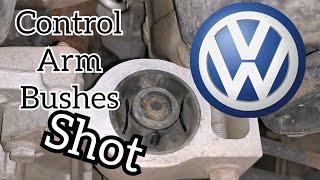
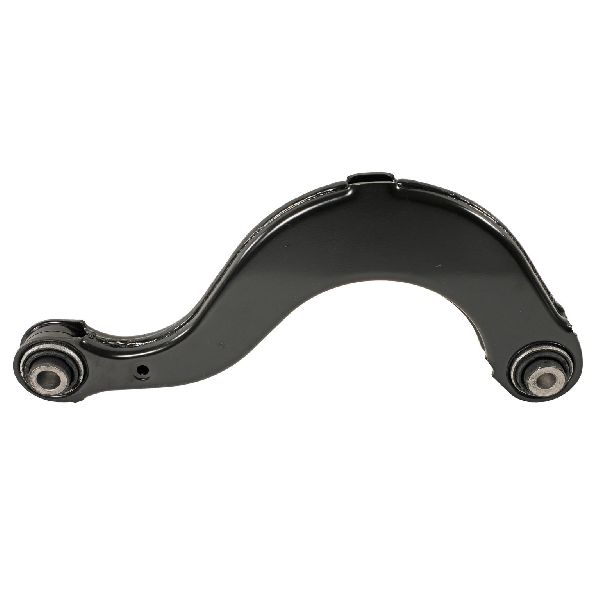
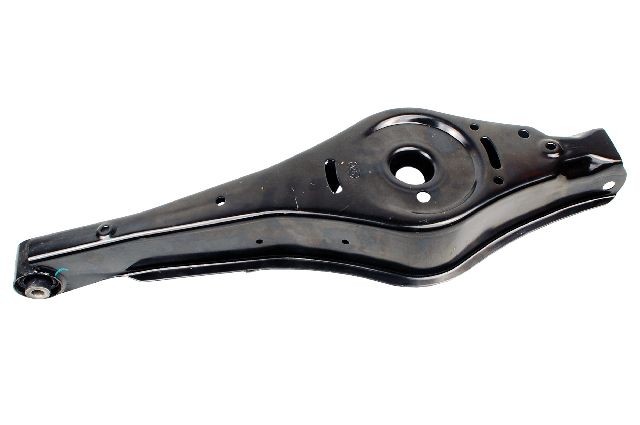
As your 2013-2018 Audi Q3 Quattro ages, the components that provide its signature smooth and controlled ride can wear out. The control arms, and more specifically their bushings and ball joints, are common wear items. The rubber bushings can crack and fail from constant stress, especially during braking and acceleration, while the ball joints can become loose. This wear can lead to noticeable changes in steering feel, stability, and noise.
Symptoms of a Failing Control Arm
A bad control arm rarely fails suddenly. Instead, it gives you warning signs. Paying attention to these symptoms can help you address the issue before it becomes more serious.
- Clunking or Knocking Noises: This is the most common symptom. You may hear a clunking or popping sound from the front suspension, especially when driving over bumps, potholes, or speed bumps. This noise is often caused by a worn ball joint or a deteriorated bushing allowing metal-to-metal contact.
- Steering Wander: If you find yourself constantly making small corrections to keep your Q3 driving straight, it could be due to a worn control arm. The excessive play from a bad bushing or ball joint prevents the suspension from holding a proper alignment.
- Vibrations: A continuous vibration felt through the steering wheel, especially as your speed changes, can be a sign of worn control arm bushings.
- Uneven Tire Wear: Inspect your tires. A failing control arm can throw off the wheel alignment, causing the inside or outside edge of your tires to wear out much faster than the rest of the tread.
Could It Be Something Else?
Audi has issued Technical Service Bulletins (TSBs) for the Q3 related to cracking or squeaking noises from the front end that are not caused by control arm failure. Specifically, TSB 2047758_13 notes that the shock absorber's bump stop can cause noise when steering. It's wise to have a mechanic diagnose the noise properly to avoid replacing parts unnecessarily.
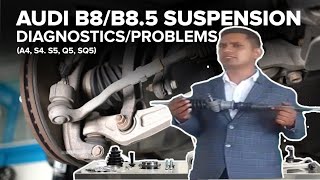
🎬 Watch: Diagnosing and fixing a common Audi Q3 front-end knock.Choosing the Right Aftermarket Control Arm
When replacing a control arm on your Q3, you don't have to buy the expensive OEM part. However, aftermarket quality varies significantly. Choosing the wrong brand can mean you'll be doing the job again sooner than you'd like. Here’s a breakdown of available brands, from higher-tier to budget-focused, based on general owner feedback.
Tier 1: Premium Aftermarket
These brands are often considered OEM-equivalent or problem-solvers, engineered for durability.
- Moog: Often viewed as a top-tier aftermarket brand, Moog parts are sometimes designed to be stronger than the original. They have a strong reputation among mechanics, but be aware they may offer different quality lines.
- Delphi: Delphi is a known OEM supplier, but reviews on their suspension components are mixed. Some users report good quality for the price, while others have experienced premature failures of bushings or ball joints.
- Febi: Generally seen as a solid, mid-range choice for German vehicles. However, some forum users have reported early ball joint failures, so experiences can vary.
Tier 2: Standard Replacement
These brands aim to provide a direct replacement for the factory part at a more accessible price point.
- Dorman: A widely recognized brand that produces parts designed to match the fit and function of the original. They are a common choice for both DIYers and professional shops as a reliable factory-equivalent replacement.
- Beck Arnley / Vaico: These are established aftermarket brands that focus on providing parts that match OEM specifications.
- Whiteline: This brand is more focused on performance upgrades. Their products, like stiffer bushings or adjustable ball joints, are for owners looking to enhance handling rather than just restore the factory ride.
Tier 3: Budget-Focused
These brands compete on price, but quality and longevity can be a significant concern.
- Mevotech: This brand gets very polarized reviews. While they offer different product lines, many users in forums report issues with poor quality, twisted arms, and bushings that fail very quickly.
- URO Parts / Suspensia: Feedback for URO Parts is overwhelmingly negative for suspension components. Multiple owners report that the rubber and plastic components disintegrate in a very short time, sometimes in less than a year, making them a risky choice for a labor-intensive job like control arm replacement.
Pro Tip: Replace in Pairs and Get an Alignment
If a control arm on one side of your Q3 has failed due to wear, the one on the other side is likely not far behind. It is best practice to replace them in pairs (left and right) to maintain balanced handling. Crucially, you must get a professional wheel alignment after replacing control arms to ensure proper handling and prevent rapid tire wear.
Frequently Asked Questions
Can I replace just the bushings or ball joint?
While it is sometimes possible to press out old bushings and press in new ones, most aftermarket control arms come as a complete assembly with new bushings and a ball joint pre-installed. This saves significant labor time and ensures all related components are new. Given the labor costs, replacing the entire arm is usually more economical.
Is this a difficult DIY job?
For an experienced DIY mechanic with the right tools, this is a manageable job. It requires safely lifting and supporting the vehicle, and you will need a torque wrench and various sockets. A critical step is to only tighten the bolts for the bushings when the car's full weight is on the suspension (at ride height) to avoid immediate bushing failure. If you are not comfortable with suspension work, it is best to leave this to a professional.
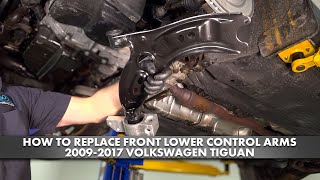
🎬 Watch: A detailed walkthrough of the front control arm replacement.How much does it cost to replace a control arm?
The cost can vary widely. The part itself can range from around $30 for a budget brand to over $300 for a premium or OEM part. Shop labor for one side can take a few hours, typically costing between $200 and $400, plus the cost of the mandatory wheel alignment afterward.
What are the front vs. rear control arms?
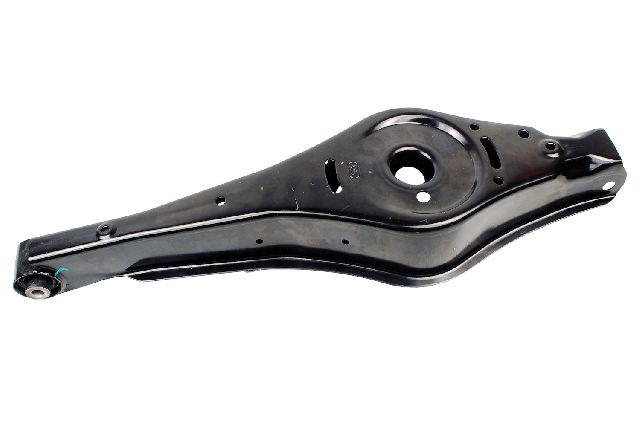
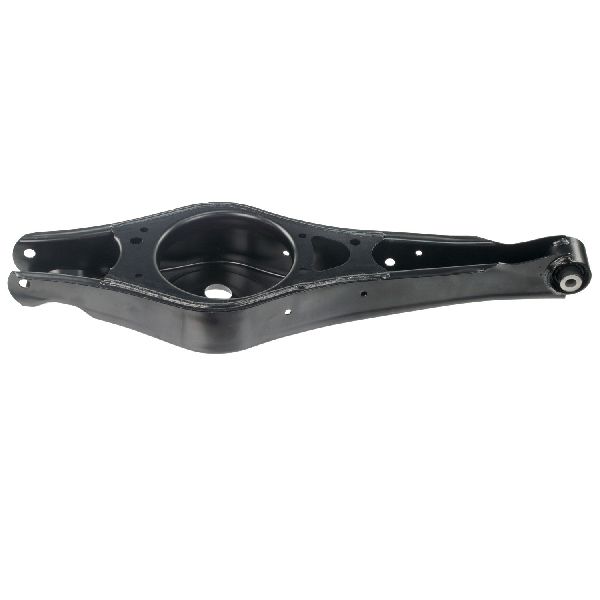
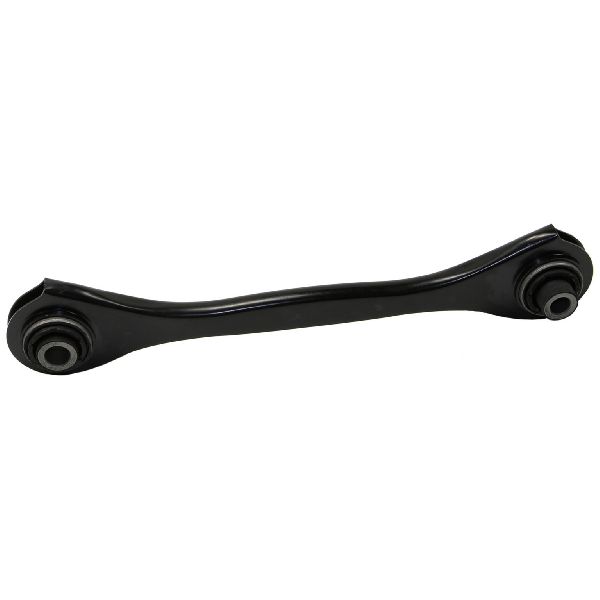
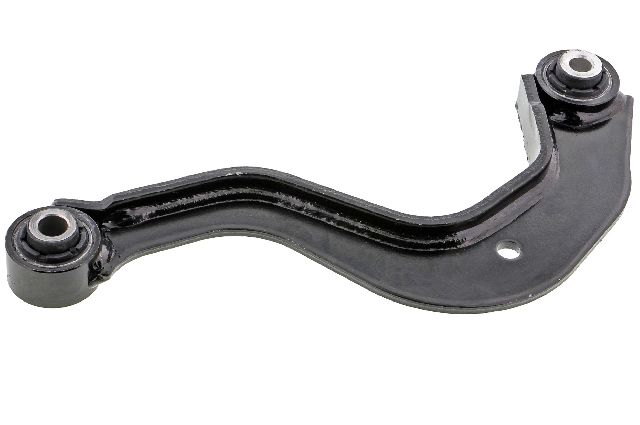
Your Q3 Quattro has control arms on both the front and rear suspension. The front arms are more complex and handle the steering forces. The rear arms manage wheel alignment and stability. Failure symptoms are similar for both, but the replacement procedure differs.
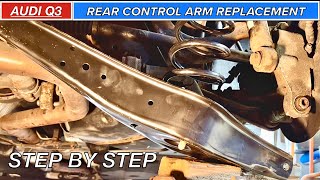
🎬 See this step-by-step guide for replacing corroded rear control arms.Helpful Videos
Technical Specifications
The 2013-2018 Audi Q3 Quattro uses a multi-link front and rear suspension. The front features two upper and two lower control arms per side. Arms are typically made of stamped steel or cast aluminum. Replacement requires tightening bushing bolts only when the suspension is at ride height.
We Have This Part in Stock

The information in this article is provided for general reference and educational purposes only. Vehicle specifications, procedures, and part compatibility can vary by production date, trim level, and region. Always consult your vehicle's factory service manual and verify part numbers before purchasing or performing repairs. Safety-critical components such as airbags, seat belts, and braking systems should be installed by a qualified professional.
- Audi Q3 Quattro:
- 🎬 Helpful Videos
- 🛍️ Shop This Part
- Is Your Audi Q3's Ride Not What It Used to Be?
- Symptoms of a Failing Control Arm
- Could It Be Something Else?
- Choosing the Right Aftermarket Control Arm
- Tier 1: Premium Aftermarket
- Tier 2: Standard Replacement
- Tier 3: Budget-Focused
- Pro Tip: Replace in Pairs and Get an Alignment
- Frequently Asked Questions
- 🎟️ Get 5% Off