

Audi S7 Engine Coolant Temperature Sensor Guide (2013-2018)
Is your S7's temperature gauge acting up or are the cooling fans always on? Your coolant sensor might be the culprit.
- Before replacing the sensor for a P2181 code, check TSB 2038045/1, as the thermostat is the likely cause.
- Symptoms of failure include poor fuel economy, rough idle, and cooling fans that won't shut off.
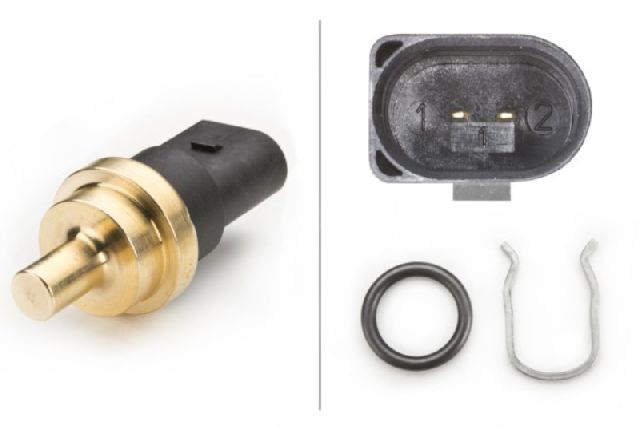
- For this part, OEM and OEM-supplier brands (Hella, Vemo) are highly recommended and very affordable.
- Driving with a bad sensor can cause poor performance and mask serious overheating conditions.
Symptoms of a Failing Coolant Sensor
When the coolant temperature sensor starts to fail, it sends incorrect information to your S7's computer. This can cause a variety of noticeable problems. You might see the check engine light come on, experience poor fuel economy, or notice the engine running rough, especially at idle. Other common signs include cooling fans that run constantly, even when the engine is cold, or black smoke coming from the exhaust pipe. In some cases, the car may be difficult to start, particularly when the engine is already warm.
Important TSB Notice: Check Engine Light with Code P2181
Audi issued Technical Service Bulletin (TSB) 2038045/1 for 2013-2014 S7 models showing a Check Engine Light with fault code P2181 (Cooling System Performance). The bulletin explicitly states that replacing the coolant temperature sensor will not fix this issue. The actual cause is often debris from the manufacturing process that prevents the thermostat from closing properly. The correct repair is to flush the cooling system and replace the thermostat. Always diagnose this code properly before buying a new sensor.
Choosing the Right Aftermarket Sensor
For a sensitive electronic part on a high-performance car like the S7, part quality matters. While many budget-friendly options exist, forum users and mechanics often recommend sticking with brands known for quality to avoid repeat repairs. Surprisingly, the genuine Audi OEM sensor is very competitively priced, often costing only a few dollars more than aftermarket options.
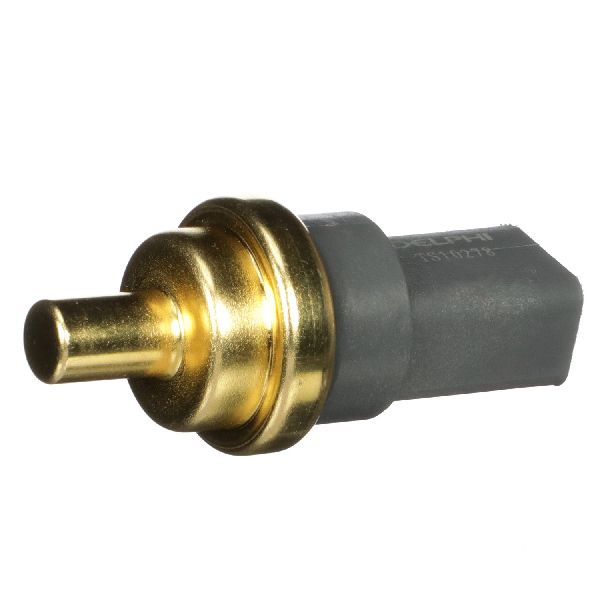
- OEM & OEM-Supplier Brands (Recommended): Brands like Hella, Delphi, and Vemo are often the original equipment manufacturers for Audi. Choosing one of these ensures you get a part that meets factory specifications. NGK (under its NTK sensor line) is another top-tier choice.
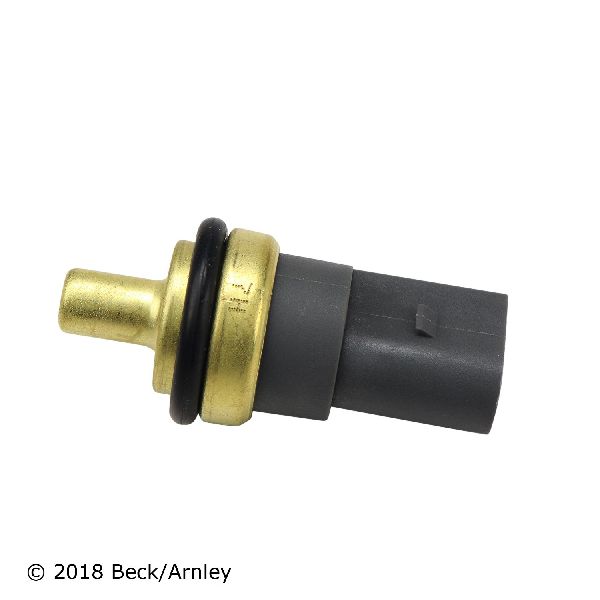
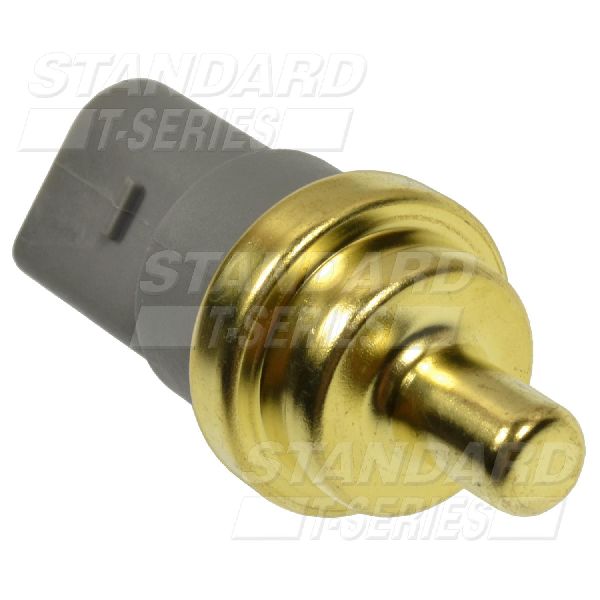
- Reputable Aftermarket Brands: Companies like Standard Ignition (SMP), Beck Arnley, and Holstein offer reliable parts that are a good balance of quality and price. Beck Arnley often repackages OEM parts.
- Budget Brands: Options from Global Parts, True Tech, and VNE are the most affordable. They may be suitable for a quick repair, but long-term reliability might not match the higher-tier brands.
| Part Type | Estimated Cost |
|---|---|
| New Aftermarket Sensor | $13.18 - $64.73 |
| New OEM Sensor | $17.00 - $35.00 |
| Shop Labor | $120.00 - $270.00 |
Frequently Asked Questions
Where is the coolant temperature sensor located on the S7?
The coolant temperature sensor on the 4.0T V8 engine is typically located on the back of the engine block, often in a coolant flange or pipe. Access can be tight due to the compact nature of the engine bay.
Can I replace this sensor myself?
For an experienced DIY mechanic, this is a feasible job. The main challenge is accessing the sensor. You will need basic hand tools and potentially a pick to remove the retaining clip. Be prepared to lose a small amount of coolant during the swap. The job can be tedious due to the tight workspace.
What happens if I don't replace a bad sensor?
Ignoring a faulty ECT sensor can lead to several problems. Your engine will run on an incorrect fuel mixture, causing poor gas mileage, increased emissions, and carbon buildup. It can also lead to stalling, hard starting, and puts extra wear on your cooling fans. Most importantly, you won't have an accurate reading of your engine's temperature, which could mask a more serious overheating problem.
Is an OEM sensor really better for my Audi?
For many electronic sensors on German vehicles, using an OEM or OEM-supplier part is highly recommended. These parts are built to the exact resistance and voltage specifications the car's computer expects. Given that the genuine Audi sensor is very affordable for this specific part, it is often the safest and most reliable choice.
Technical Specifications
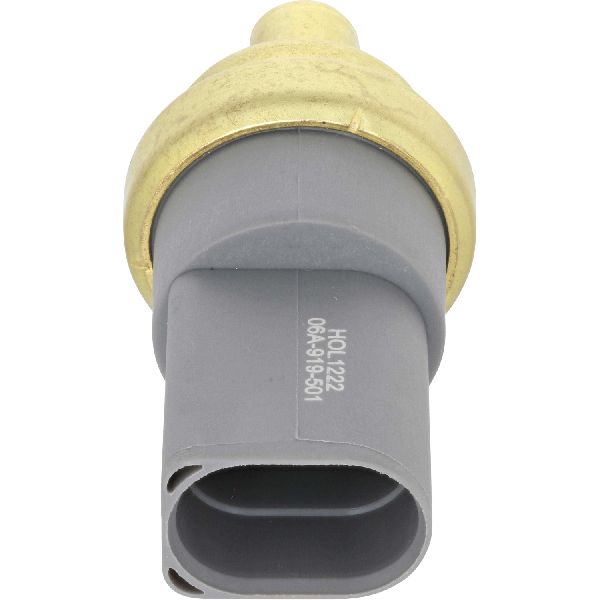
OEM Part Numbers: 06A919501A 079919523J
This is typically a 2-pin sensor. Always verify the part number from your specific vehicle before ordering, as variations can exist.
We Have This Part in Stock


The information in this article is provided for general reference and educational purposes only. Vehicle specifications, procedures, and part compatibility can vary by production date, trim level, and region. Always consult your vehicle's factory service manual and verify part numbers before purchasing or performing repairs. Safety-critical components such as airbags, seat belts, and braking systems should be installed by a qualified professional.
- Audi S7: