

A Guide to Steering Tie Rod Ends for the 2013-2018 Audi S7
Restore your Audi's sharp steering feel and prevent premature tire wear by choosing the right replacement tie rod ends.
- A wheel alignment is not optional; it is required after replacing any tie rod end to ensure safety and prevent tire damage.
- For balanced steering and predictable handling, always replace tie rod ends in pairs (left and right).
- Listen for clunking noises when turning; it's a primary symptom of a worn-out tie rod joint.
- Ignoring a bad tie rod end will destroy your front tires and can lead to a dangerous loss of steering control.
Symptoms of a Failing Tie Rod End
A worn tie rod end on your S7 will give you several warning signs. Ignoring them can lead to more significant issues and unsafe driving conditions. The most common symptoms include:
- Clunking or Popping Noises: You may hear a distinct clunking or knocking sound from the front end, especially when turning at low speeds or driving over bumps. This is caused by excessive play in the worn ball joint.
- Steering Wheel Vibration or Looseness: The steering wheel may feel loose, shake, or vibrate, particularly as you accelerate or turn. You might notice a "dead spot" where small movements of the wheel don't immediately change the car's direction.
- Uneven and Rapid Tire Wear: A bad tie rod end will cause the wheel alignment to be off. This leads to the inside or outside edge of your tires wearing down much faster than the rest of the tread.
- Vehicle Pulling or Wandering: The car may pull to one side, requiring you to constantly correct the steering wheel to drive straight.
Choosing the Right Aftermarket Tie Rod End
When replacing tie rod ends on your S7, you have several aftermarket options that range in quality and price. Unlike some parts where OEM is the only answer, quality aftermarket tie rods can be a reliable choice. Here’s a breakdown of available brands:
OEM-Equivalent Brands
These brands are often Original Equipment Manufacturers (OEM) for Audi and other German automakers. They provide parts that meet or exceed factory specifications for fit and performance.
- Delphi: A well-known Tier 1 OEM supplier, Delphi parts are generally considered a high-quality, reliable choice.
- Vaico: A brand specializing in German vehicles, Vaico is a dependable aftermarket alternative that often provides OEM-level quality.
- Lemfoerder: Frequently an OEM supplier for European cars, Lemfoerder is a top-tier choice for suspension components.
Heavy-Duty & Performance Brands
These brands often engineer their parts to be more robust than the original factory components, sometimes including features like grease fittings for extended life.
- Moog: A highly reputable aftermarket brand known for durable, all-metal construction and often featuring greaseable fittings for maintenance. Their parts are frequently seen as a durable upgrade over stock.
- Mevotech: Known for innovative designs, Mevotech offers different lines like their premium "Supreme" or heavy-duty "TTX" series, which can be an upgrade over standard replacements.
Standard & Value Brands
These brands offer a balance of affordability and function, making them a good choice for budget-conscious repairs.
- Dorman: Dorman provides a wide range of aftermarket parts and is often a cost-effective solution for common repairs.
- Suspensia: This brand offers a budget-friendly option for restoring function without the premium price tag.
Cost of Replacing an Audi S7 Tie Rod End
| Part Type | Estimated Cost (Part Only) |
|---|---|
| New OEM (Genuine Audi) | $110 - $160 per side |
| New Aftermarket | $26 - $70 per side |
| Shop Labor | $150 - $220 |
| Total Professional Replacement (Aftermarket Part) | $176 - $290 per side + Alignment |
Note: A four-wheel alignment is required after replacing tie rod ends, which typically costs an additional $150 - $250.
Frequently Asked Questions (FAQ)
Do I absolutely need an alignment after replacing a tie rod end?
Yes, an alignment is mandatory. Replacing a tie rod end, no matter how carefully, will change your vehicle's toe angle. Skipping the alignment will cause crooked steering, unsafe handling, and rapid tire wear.
Should I replace tie rod ends in pairs?
Yes, it is highly recommended to replace both the left and right side tie rod ends at the same time. If one has failed due to age or mileage, the other is likely not far behind. Replacing them in pairs ensures balanced steering and handling.
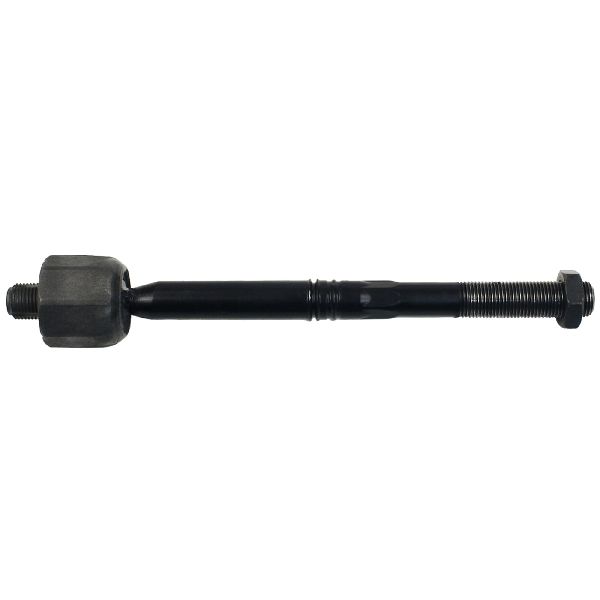
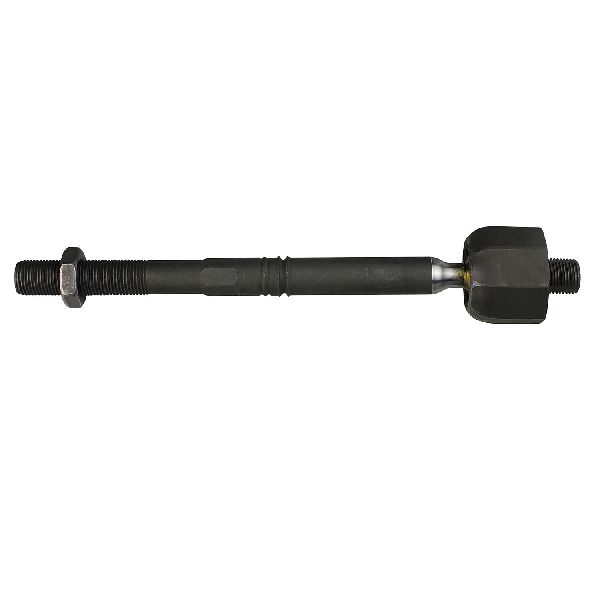
What is the difference between an inner and an outer tie rod end?
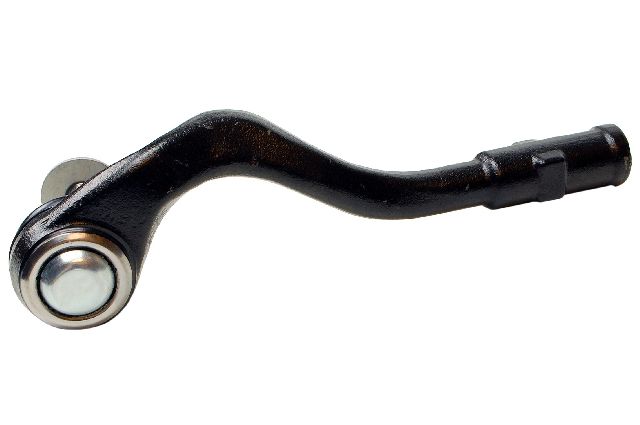
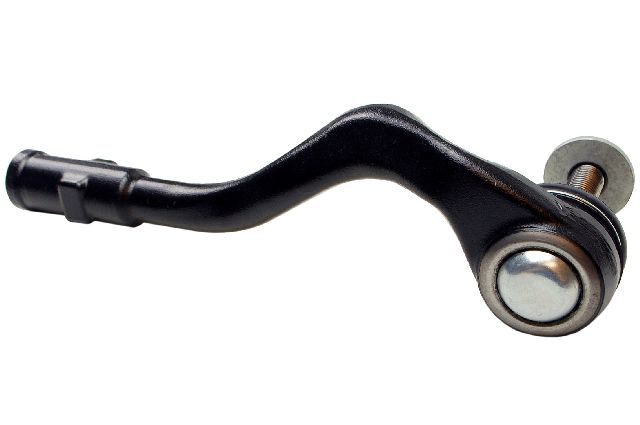
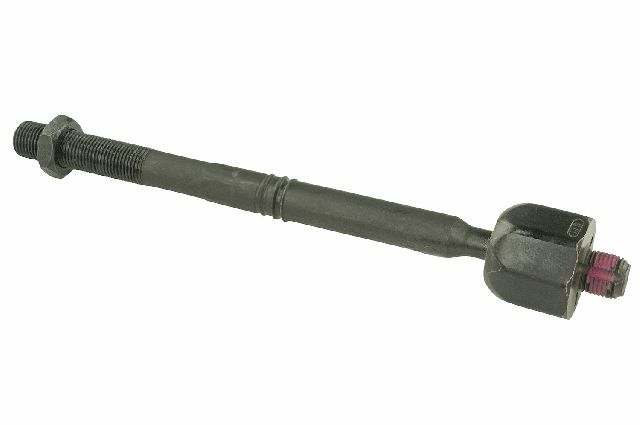
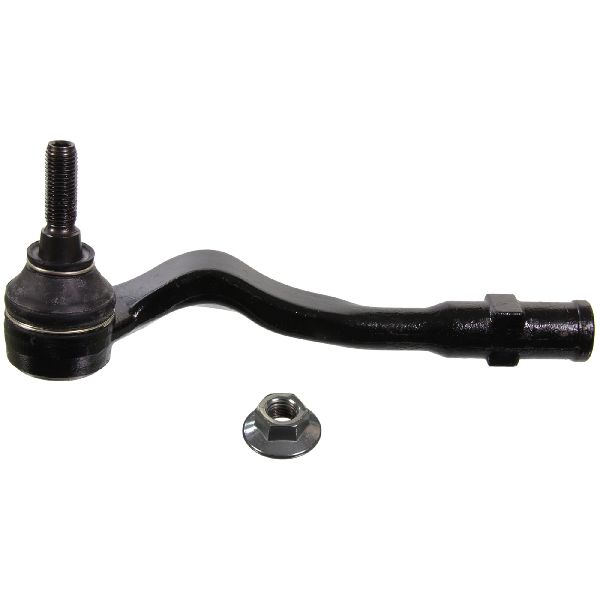
The inner tie rod end connects to the steering rack under a protective boot, while the outer tie rod end connects to the steering knuckle at the wheel. Both can wear out, but the outer tie rod end is more commonly replaced. The inner tie rod requires a special tool for removal.
How can I check if my tie rod end is bad?
Safely lift the front of the car so the wheel is off the ground. Place your hands on the sides of the tire (at the 3 and 9 o'clock positions) and try to wiggle it from side to side. If you feel play or hear a clunking noise, a tie rod end is likely worn.
Technical Specifications
OEM Part Numbers: Inner: 4G0423810A Outer Left: 4G0423811A Outer Right: 4G0423812A
The 2013-2018 Audi S7 uses a steering system with one inner and one outer tie rod end for each front wheel. The inner tie rod connects to the power steering rack, and the outer tie rod connects to the steering knuckle. Replacement always affects the vehicle's toe alignment setting.
We Have This Part in Stock

The information in this article is provided for general reference and educational purposes only. Vehicle specifications, procedures, and part compatibility can vary by production date, trim level, and region. Always consult your vehicle's factory service manual and verify part numbers before purchasing or performing repairs. Safety-critical components such as airbags, seat belts, and braking systems should be installed by a qualified professional.
- Audi S7: