

BMW 320i Engine Coolant Temperature Sensor Guide (2013-2018)
Understanding the signs of a failing coolant temperature sensor in your F30 BMW 320i and how to choose the right replacement.
- A failing coolant temp sensor is a known issue on the 2013-2018 BMW 320i (N20 engine) and can cause limp mode.
- Symptoms include a constant running fan, poor performance, and check engine light codes like P0117 or P0118.
- Replacement is very easy and can be done in under 30 minutes with basic tools, making it a great DIY task.
- For this critical part, using an OEM sensor (Part No. 13627580635) is strongly recommended to ensure accuracy and avoid repeat failures.
Is Your BMW 320i Acting Strange? It Could Be a Bad Coolant Sensor
If your 2013-2018 BMW 320i (F30 chassis with the N20 engine) suddenly has a check engine light, poor performance, or a cooling fan that won't quit, a faulty Engine Coolant Temperature Sensor (ECTS) is a likely suspect. This sensor is known to fail prematurely on the N20 engine, sometimes with as little as 43,000 miles, causing the engine to go into a low-power "limp mode" unexpectedly. Because this part is critical for engine management, ignoring the symptoms can lead to poor fuel economy, rough running, and potentially more serious issues.
Common Failure Symptoms
A bad coolant temperature sensor can make your car's computer think the engine is either colder or hotter than it actually is. This confusion leads to several noticeable problems:
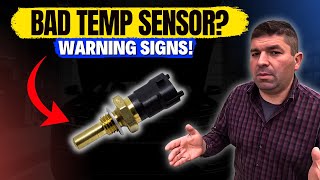
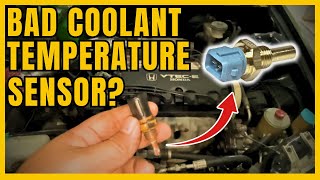
🎬 Watch: A breakdown of common bad coolant sensor symptoms.- Check Engine Light: This is often the first sign. Common trouble codes include P0117 (Circuit Low), P0118 (Circuit High), P0128 (Coolant Thermostat Rationality), and the BMW-specific P1290.
- Cooling Fan Runs Constantly: The fan may run at maximum speed from the moment you start the car, even when the engine is cold.
- Poor Engine Performance: You might experience a rough idle, hesitation when accelerating, or a general lack of power.
- Reduced Fuel Economy: If the sensor incorrectly tells the computer the engine is always cold, the computer will enrich the fuel mixture, wasting gas.
- Inaccurate Temp Gauge: The oil or coolant temperature gauge on your dash may not move, or it might give erratic readings.
Known Issues for the 2013-2018 BMW 320i
There are no direct recalls for the coolant temperature sensor on this vehicle. However, BMW has issued a limited warranty extension for the engine coolant thermostat to 10 years or 120,000 miles. A failing thermostat can cause similar symptoms, so it's important to diagnose the problem correctly. Additionally, a safety recall (NHTSA 24V-608) exists for the electric water pump's electrical connector, which can be a fire risk.
Choosing the Right Aftermarket Sensor: OEM vs. Aftermarket
When replacing a critical sensor, quality matters. While aftermarket parts are cheaper, a low-quality sensor can fail quickly or provide inaccurate readings, leaving you with the same problems.
- OEM (Original Equipment Manufacturer): This is the safest choice. A Genuine BMW sensor (part number 13627580635) guarantees perfect fit and function. The extra cost provides peace of mind that you won't have to do the job again soon.
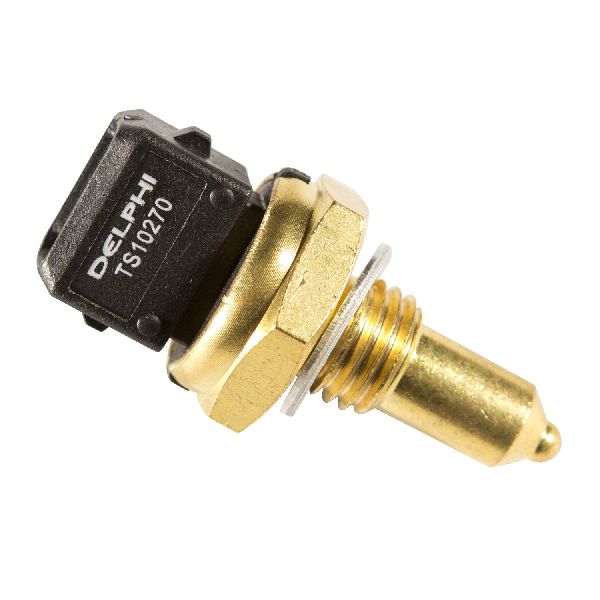
- Premium Aftermarket (e.g., Delphi, Beck Arnley): Brands like Delphi have a decent reputation. Beck Arnley often re-packages parts from various sources, which can sometimes be the original OEM part without the BMW logo, but this isn't guaranteed. These are a viable second choice if OEM is not an option.
- Value Brands (e.g., Facet, Four Seasons, etc.): For a sensor this critical and inexpensive, it is generally not recommended to opt for the cheapest available part. Forum users frequently report issues with budget sensors causing persistent problems.
Pro Tip: The cost difference between a quality aftermarket sensor and an OEM one is often less than $20. For a part that directly impacts engine performance and is simple to replace, spending a little extra on the OEM sensor is a smart investment to avoid future headaches.
Replacement Cost
Replacing the coolant temperature sensor on a 2013-2018 BMW 320i is an inexpensive repair. The part itself is affordable, and the labor is minimal.
| Part/Service | Estimated Cost |
|---|---|
| New Aftermarket Part | $19 - $35 |
| New OEM Part | $38 - $60 |
| Shop Labor | $75 - $125 |
| Total Estimated Cost (DIY) | $19 - $60 |
| Total Estimated Cost (At a Shop) | $94 - $185 |
Frequently Asked Questions (FAQ)
Where is the coolant temperature sensor located on my 320i?
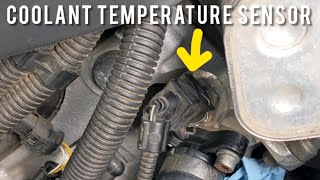
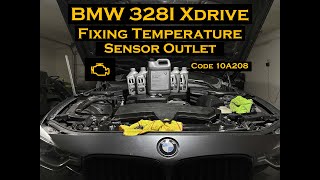
On the N20 engine used in the 2013-2018 320i, the sensor is located on the front of the cylinder head, making it very easy to access. 🎬 See this quick walkthrough for replacing the N20 sensor. It is often near the thermostat housing.
Can I replace this sensor myself?
Yes, this is a great DIY job for beginners. The replacement is described as very simple and can take as little as 15 minutes. You will need a 22mm deep socket to remove the old sensor. Be prepared for a small amount of coolant to spill when you remove the sensor.
Do I need to drain the coolant to replace it?
A full drain is not necessary. Only a small amount of coolant will be lost when you quickly swap the old sensor for the new one. It's a good idea to have a rag handy and top off the coolant reservoir after the job is done.
My car has code P0128. Is it the sensor or the thermostat?
The P0128 code specifically relates to the thermostat's performance, suggesting the engine isn't reaching operating temperature in the expected time. While a bad sensor could theoretically contribute, this code usually points to a faulty thermostat. Given the warranty extension on the thermostat, it's worth having it inspected.
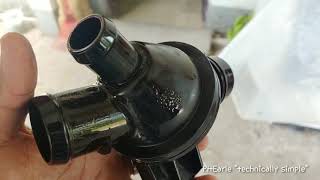
🎬 Watch: How to replace the thermostat on a BMW F30.Helpful Videos
![[SOLVED & FiXED] BMW Engine Coolant Sensor STUCK on Cold Temp #diyrepair #mechanic](https://img.youtube.com/vi/gJDSCefjTUA/mqdefault.jpg)
Technical Specifications
OEM Part Numbers: 13627580635 13-62-7-580-635
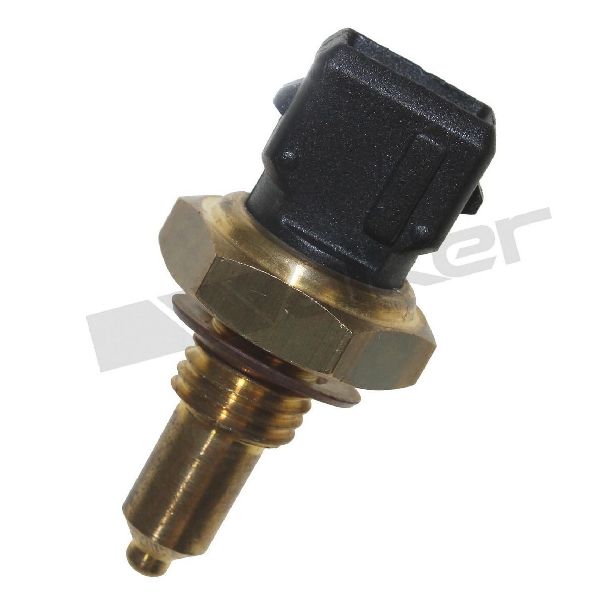
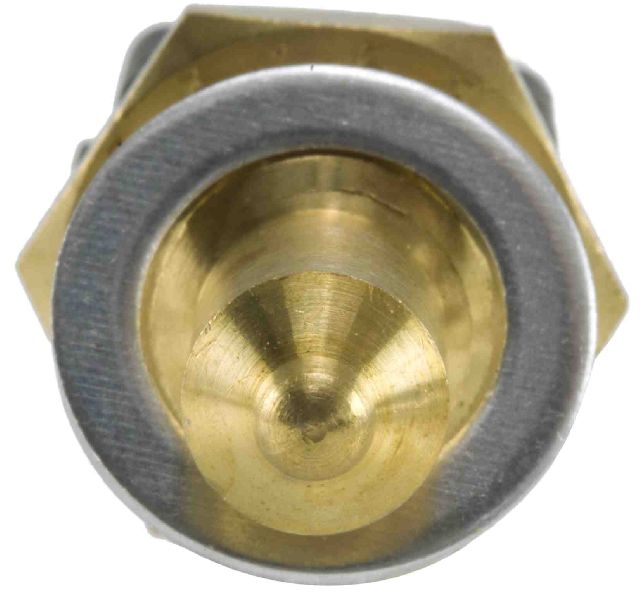
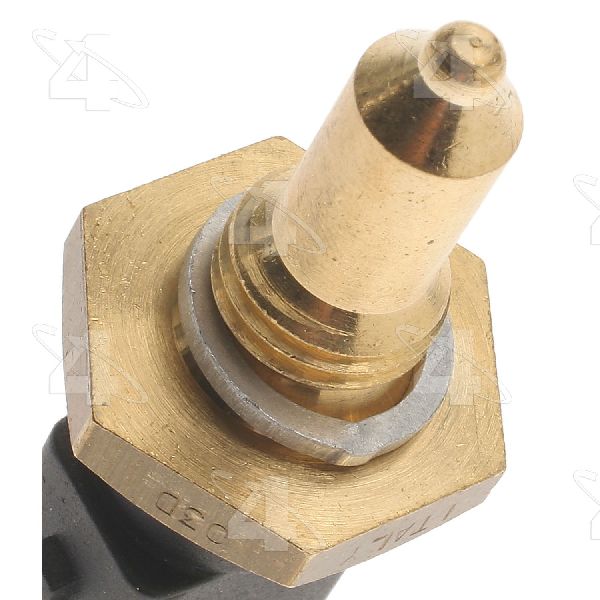
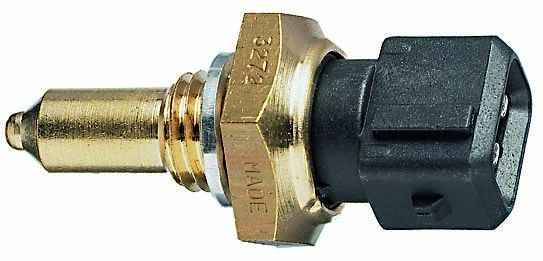
The sensor is a thermistor located on the front of the N20 engine's cylinder head and requires a 22mm deep socket for removal.
We Have This Part in Stock


The information in this article is provided for general reference and educational purposes only. Vehicle specifications, procedures, and part compatibility can vary by production date, trim level, and region. Always consult your vehicle's factory service manual and verify part numbers before purchasing or performing repairs. Safety-critical components such as airbags, seat belts, and braking systems should be installed by a qualified professional.
- BMW 320i: