

Ignition Coil Guide for the 2013-2018 BMW 320i (F30)
Fix engine misfires and restore performance by choosing the right ignition coils for your N20 engine.
- Ignition coil failure is common and causes misfires, rough idle, and power loss.
- Delphi and Bosch are OEM-level brands; Delphi is often preferred by owners for the N20 engine.
- It is best practice to replace all four ignition coils and inspect the spark plugs at the same time.
- This is a very easy DIY job that requires no special tools and can be completed in under 20 minutes.
Signs of a Failing Ignition Coil
Ignition coils on the BMW N20 engine are a common wear item. When a coil starts to fail, it can't deliver the strong spark your engine needs. This leads to noticeable problems. You will likely get a check engine light and may see a "Drivetrain Malfunction" message on your iDrive screen.
🎬 Watch: Understanding the drivetrain malfunction warning and its causes.- Engine Misfires: The engine may shake, sputter, or hesitate, especially when idling or accelerating.
- Rough Idle: You might feel a heavy vibration from the engine when the car is stopped.
- Loss of Power: Your 320i will feel sluggish and won't accelerate as quickly.
- Worse Gas Mileage: A failing coil leads to inefficient fuel burning, so you'll fill up more often.
- Trouble Starting: In severe cases, the engine may be difficult to start or won't start at all.
Choosing the Right Aftermarket Ignition Coil
When shopping for new ignition coils, you have several good options. You don't need to buy the part directly from a BMW dealer to get a quality component. Many aftermarket brands meet or exceed the original specifications.
OEM Supplier vs. Aftermarket Brands
For BMWs, including the N20 engine in your 320i, several companies make the original parts. Delphi is a known OEM (Original Equipment Manufacturer) supplier for these ignition coils. Bosch is another major German brand that supplies many original BMW parts. Both are excellent choices. Some owners have noted that BMW switched from Bosch to Delphi for some engines due to premature failures, making Delphi a preferred choice for many. NGK is another top-tier brand known for ignition components.
Here’s how the available brands generally rank:
- Top Tier (OEM/OES): Bosch and Delphi are original suppliers. NGK is also a highly respected brand with a reputation for quality. Choosing one of these is the safest bet for reliability and performance that matches the original part.
- Trusted Aftermarket: Brands like Standard Ignition, Hitachi, and Denso (not listed but a major brand) often provide reliable parts that are a good alternative to OEM.
- Economy: Other brands may offer a lower price point, but quality and longevity can be less consistent. For a performance-oriented car like a BMW, it's often worth investing in a higher-tier coil to avoid future problems.
Cost of Replacing Ignition Coils on a 2013-2018 BMW 320i
The cost can vary depending on whether you do the job yourself or take it to a shop. The replacement is straightforward and a very common DIY task for BMW owners.
| Item | Estimated Cost |
|---|---|
| New Aftermarket Ignition Coils (Set of 4) | $125 - $300 |
| New OEM Ignition Coils (Set of 4) | $200 - $400 |
| Shop Labor | $73 - $107 |
| Total (At a Shop) | $137 - $216 (for one coil) |
| Total (DIY, Set of 4) | $125 - $300 (Parts Only) |
Frequently Asked Questions
Do I need special tools to replace the ignition coils?
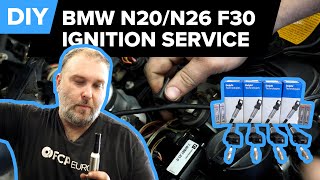
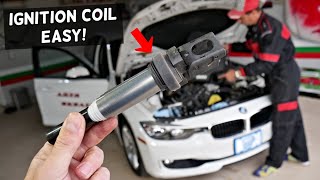
No. For the 2013-2018 BMW 320i, replacing the ignition coils requires no tools at all. You simply lift the engine cover off, flip up the locking tab on the electrical connector, and pull the coil straight out. 🎬 See this quick walkthrough of the coil removal process. However, if you are also changing the spark plugs, you will need a special 14mm 12-point thin-wall spark plug socket.
Should I use dielectric grease on the new coils?
Many new high-quality coils, like those from Delphi, come with dielectric grease pre-applied inside the boot. In this case, you should not add more. Too much grease can prevent the coil from seating correctly on the spark plug. If the coil does not have any grease, applying a very small amount to the inside of the boot is acceptable.
Are there any recalls for N20 engine ignition coils?
There are no specific recalls found for ignition coils on the 2013-2018 BMW 320i. However, there have been Technical Service Bulletins (TSBs) related to misfires where coil replacement is a potential fix, and other recalls for different issues on the N20 engine.
What causes ignition coils to fail on these cars?
The main causes are heat and vibration from the engine, which break down the coil's internal components over time. Worn spark plugs can also strain the coils, forcing them to work harder and fail sooner. A common issue on BMWs is a leaking valve cover gasket, which can allow oil to pool in the spark plug wells and damage the ignition coils.
Helpful Videos

Technical Specifications
OEM Part Numbers: 12138616153 12137594937 12137562744 12137571643 12137594938
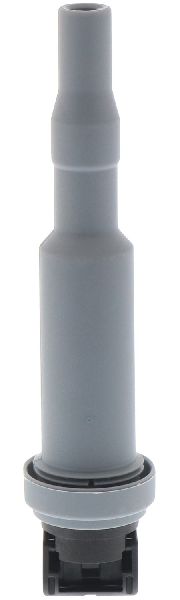
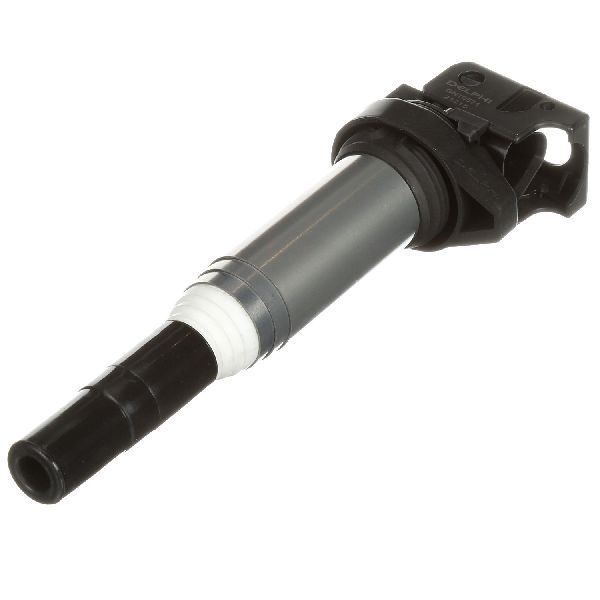
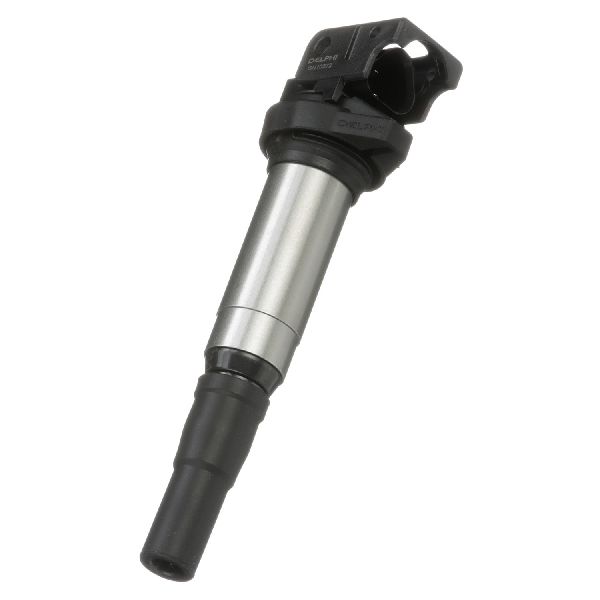
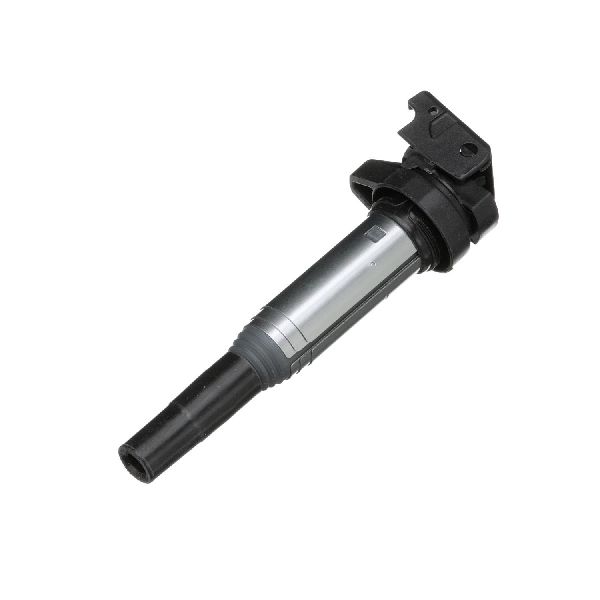
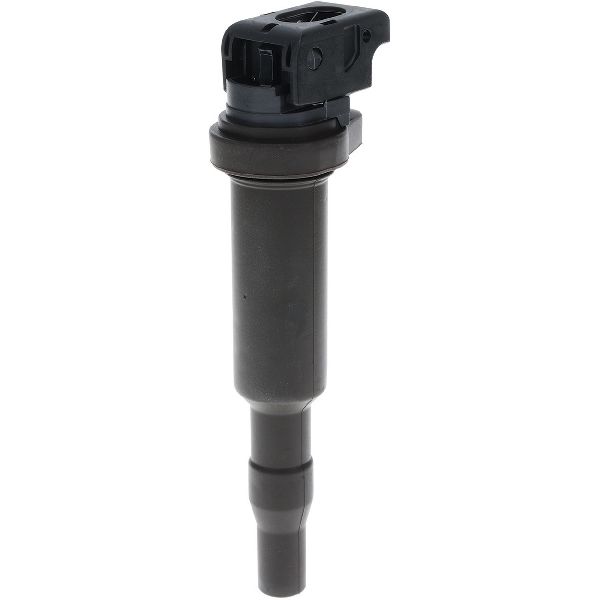
This vehicle uses four individual coil-on-plug ignition coils, one for each cylinder. The N20 engine requires a specific coil design, and it's crucial to use a part number compatible with this engine.
We Have This Part in Stock


The information in this article is provided for general reference and educational purposes only. Vehicle specifications, procedures, and part compatibility can vary by production date, trim level, and region. Always consult your vehicle's factory service manual and verify part numbers before purchasing or performing repairs. Safety-critical components such as airbags, seat belts, and braking systems should be installed by a qualified professional.
- BMW 320i: