

Ford Explorer Serpentine Belt and Tensioner Kit Guide (2013-2018)
Hearing squealing or grinding from your Explorer's engine? It's likely time to replace your serpentine belt and its components.
- Always replace the serpentine belt, tensioner, and idler pulleys together as a kit for a lasting repair.
- A squealing noise, especially in wet weather, is a common sign of a failing tensioner on these Explorers.
- High-quality aftermarket kits from brands like Gates are a reliable and cost-effective alternative to more expensive OEM parts.
- You must verify your specific engine (2.0L, 2.3L, or 3.5L) before ordering to ensure you get the correct parts.
Is Your Explorer's Serpentine Belt System Failing?
The serpentine belt and its components are wear-and-tear items. The belt itself is made of a durable rubber compound but is subjected to constant heat and friction. It typically requires replacement every 60,000 to 100,000 miles. The tensioner and idler pulleys have bearings that can also wear out, leading to noise or belt failure. Ignoring the warning signs can leave you stranded and potentially cause engine damage from overheating.
Common Failure Symptoms
A failing serpentine belt system gives clear warning signs. Listen for noises from the engine bay and visually inspect the belt regularly.
- Squealing or Chirping Noises: This is the most common symptom. A high-pitched squeal, especially on cold starts, in wet weather, or when the A/C is on, usually means the belt is slipping due to wear or a weak tensioner.
- Rattling or Grinding Sounds: A rattling noise, particularly when the engine is under load, often points to a worn-out tensioner assembly that is struggling to maintain pressure. A grinding or groaning sound indicates a failing bearing inside the tensioner or an idler pulley.
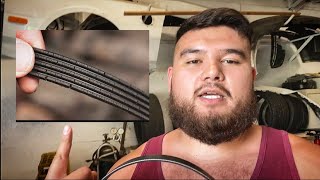
- Visible Wear on the Belt: Use a flashlight to inspect the belt. If you see multiple cracks, frayed edges, missing chunks, or a glazed, shiny surface, it needs to be replaced immediately.
- Accessory Malfunctions: If your battery warning light comes on, the power steering feels heavy, or the A/C stops blowing cold, the belt may be slipping and failing to power those accessories properly.
Known Issue: Tensioner-Related Squeal
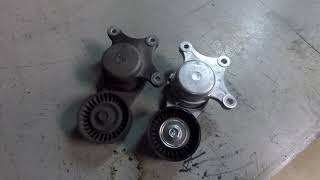
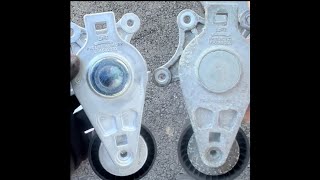
Some 2013-2018 Explorer owners report a persistent belt squeal, especially in damp conditions, even after replacing the belt. Ford has issued a Technical Service Bulletin (TSB) indicating that the original tensioner can be the source of this noise. For the 2.3L EcoBoost engine (2016), TSB #SSM 48001 also addresses a potential squeal or charging system warning light. Replacing the tensioner, not just the belt, is often the correct fix for this issue.
🎬 Watch: Diagnosing and fixing the common Explorer belt squeal.Choosing the Right Aftermarket Kit: OEM vs. Aftermarket
For the 2013-2018 Explorer, the serpentine drive system is a non-critical but essential part of the engine's function. While an OEM Motorcraft kit is a high-quality option, it comes at a premium price. High-quality aftermarket kits from reputable brands like Gates offer a reliable, cost-effective alternative.
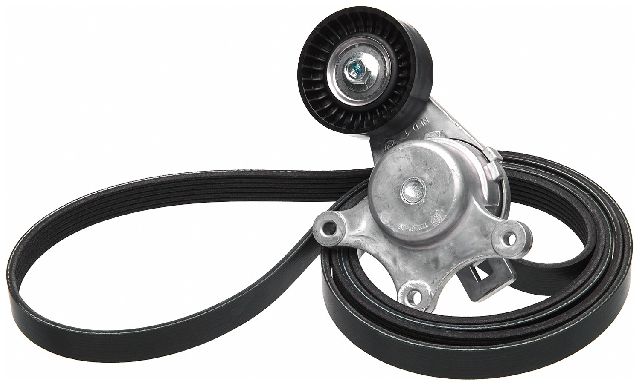
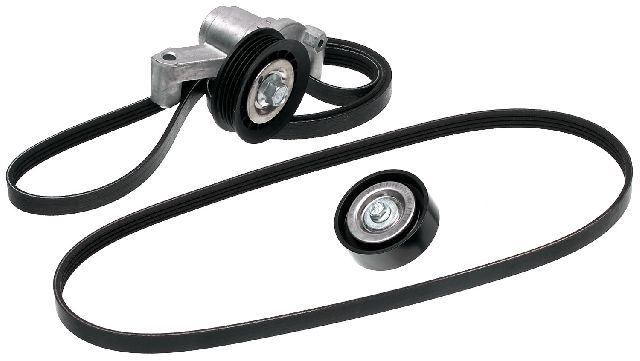
Gates Component Kits: Gates is a well-known manufacturer that often supplies parts directly to automakers. Their kits are considered professional-grade and provide OE-equivalent form, fit, and function. These kits conveniently bundle the belt, tensioner, and necessary idler pulleys, which is the recommended way to perform this repair. Replacing all components at once prevents a worn tensioner from causing premature failure of a new belt.
Common Ordering Mistake
The 2013-2018 Explorer was available with several engines (2.0L EcoBoost, 2.3L EcoBoost, 3.5L V6, and 3.5L EcoBoost V6). These engines require different serpentine belt kits. Always verify your Explorer's specific engine before ordering. 🎬 See this walkthrough for replacing the belt on 3.5L engines. Some models also have different alternator options (e.g., 175A alternator) which can affect belt length, so be sure to check fitment notes.
Estimated Replacement Costs
| Part Type | Estimated Cost |
|---|---|
| New Aftermarket Kit (Gates) | $138 - $165 |
| New OEM Kit (Motorcraft) | $200 - $300+ |
| Shop Labor | $120 - $180 |
Cost estimates are approximate and can vary by location and vehicle engine type.
Frequently Asked Questions (FAQ)
Do I have to replace the whole kit or can I just replace the belt?
It is strongly recommended to replace the belt, tensioner, and idler pulleys as a complete kit. The tensioner's spring weakens over time and its pulley bearing wears out. Putting a new belt on a worn tensioner can cause the new belt to fail prematurely and will likely not solve noise issues.
Is this a difficult job to do myself?
For someone with moderate DIY mechanical experience, this is a feasible job. It does not require extensive disassembly, but access can be tight. The main challenge is using a serpentine belt tool or a long ratchet to release the belt tensioner. The job is often done by removing the front passenger-side wheel for better access.
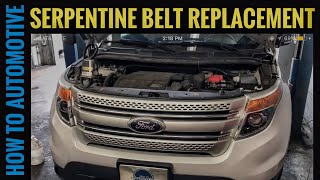
🎬 Watch: Step-by-step guide to replacing the belt and tensioner.My Explorer has the 3.5L V6. Is the water pump driven by the serpentine belt?
No. On the 3.5L V6 engines used in this generation of Explorer, the water pump is driven by the timing chain, not the serpentine belt. This is a critical distinction, as a water pump failure on these engines is a much more intensive and expensive repair.
Were there any recalls for the serpentine belt on the 2013-2018 Explorer?
No, there have been no specific safety recalls issued by the NHTSA for the serpentine belt, tensioner, or pulleys on the 2013-2018 Ford Explorer.
Helpful Videos
Technical Specifications
OEM Part Numbers: BB5Z-8620-A
Kit typically includes one serpentine belt, one tensioner assembly, and one or more idler pulleys. Belt material is typically EPDM rubber. Components vary based on engine type (2.0L, 2.3L, 3.5L V6, 3.5L V6 Turbo).
We Have This Part in Stock

The information in this article is provided for general reference and educational purposes only. Vehicle specifications, procedures, and part compatibility can vary by production date, trim level, and region. Always consult your vehicle's factory service manual and verify part numbers before purchasing or performing repairs. Safety-critical components such as airbags, seat belts, and braking systems should be installed by a qualified professional.
- Ford Explorer:
- 🎬 Helpful Videos
- 🛍️ Shop This Part
- Is Your Explorer's Serpentine Belt System Failing?
- Common Failure Symptoms
- Known Issue: Tensioner-Related Squeal
- Choosing the Right Aftermarket Kit: OEM vs. Aftermarket
- Common Ordering Mistake
- Estimated Replacement Costs
- Frequently Asked Questions (FAQ)
- 🎟️ Get 5% Off