

A Guide to Spark Plug Replacement for the 2013-2018 Ford Focus
Choosing the right spark plugs for your Focus is critical for performance and preventing engine trouble.
- You must use the correct spark plug for your specific engine (2.0L GDI, 1.0L EcoBoost, or 2.0L EcoBoost ST). They are not interchangeable.
- Stick with trusted brands like Motorcraft, NGK, and Denso. NGK often makes the original Ford plugs.
- Always check and adjust the spark plug gap before installation. The correct gap is critical for engine performance, especially on EcoBoost models.
- If you have a tuned Focus ST, consider using a "one step colder" plug as recommended by the tuning community to prevent engine knock.
Understanding Spark Plugs in Your Focus

Your 2013-2018 Ford Focus likely has one of three main engines: the 2.0L GDI, the 1.0L EcoBoost, or the 2.0L EcoBoost in the ST model. It is critical to know that these engines use different spark plugs. Using the wrong plug or an incorrect gap can cause poor performance, rough running, and even engine damage. The factory-installed plugs are typically iridium or platinum, which are long-life materials designed to last for many miles.
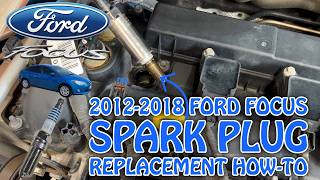
🎬 Watch: Step-by-step guide to replacing spark plugs on your Focus.Symptoms of Failing Spark Plugs

When spark plugs wear out, they can't create a strong enough spark. This leads to incomplete fuel combustion. You will notice the effects while driving. Common signs include:
- Rough Idle: The engine may shake or sputter when the car is stopped.
- Engine Misfires: You might feel a hesitation or stumble during acceleration. The check engine light may flash.
- Poor Acceleration: The car feels sluggish and lacks power.
- Reduced Fuel Economy: Worn plugs can decrease your gas mileage by as much as 30% because the engine isn't running efficiently.
- Difficulty Starting: The engine may take longer to crank over before it starts.
Known Issue: Misfires on Focus ST
Ford issued Technical Service Bulletin (TSB) 18-2093 for some 2015-2018 Focus ST models that may experience a misfire (triggering codes P0300 or P0316) when the engine is cold. The fix involves inspecting the spark plugs, ensuring the gap is correct, and reprogramming the vehicle's computer. This highlights how important the correct plug and gap are for these engines.
Choosing the Right Aftermarket Spark Plug

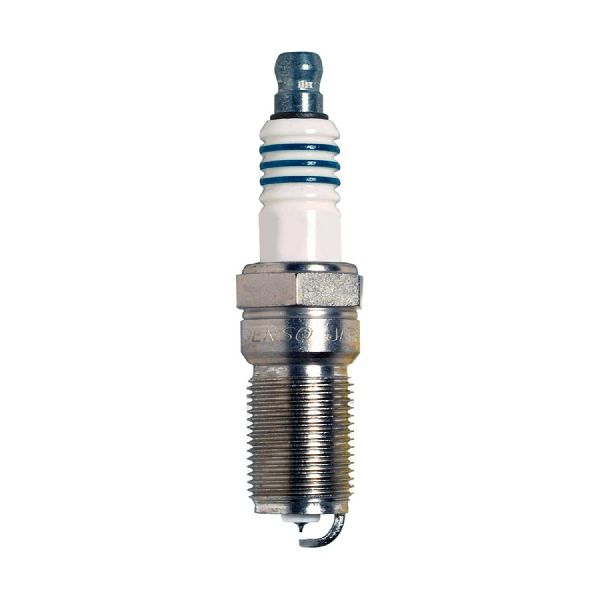
The original equipment (OE) brand for Ford is Motorcraft. However, the actual plugs are often manufactured by well-known brands like NGK or Denso. This means you can often get OEM-quality parts without the dealership price tag.
Brand Quality Tiers for Your Focus
- Top Tier (OEM & Equivalent): Motorcraft, NGK, and Denso are the most recommended brands for the Focus. For a stock, unmodified car, sticking with the specific Motorcraft plug or its direct NGK/Denso equivalent is the safest bet for reliability and performance. Many owners report that NGK Ruthenium plugs offer excellent longevity and a smooth idle.
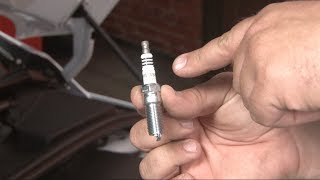
- Performance Tier: For tuned Focus ST models, a "one step colder" plug is often recommended. Brands like NGK and Denso offer these colder heat range plugs (e.g., Denso ITV22) to help prevent detonation in modified, higher-horsepower engines. 🎬 See how to install NGK performance plugs on Focus ST models.
- Standard Tier: Brands like Autolite and Bosch are also available and can be a good budget-friendly choice. However, many Focus owners and mechanics strongly recommend sticking with the Top Tier brands, as these cars can be sensitive to spark plug choice.
Watch Out for Fakes
Be cautious when buying spark plugs from broad online marketplaces, as counterfeit plugs are common. Fake plugs can fail quickly and even cause engine damage. Buying from reputable auto parts sources is the best way to ensure you get a genuine product.
| Item | Estimated Cost |
|---|---|
| New Aftermarket Spark Plugs (per plug) | $10.71 - $20.66 |
| New OEM Motorcraft Spark Plugs (per plug) | $7 - $20 |
| Shop Labor | $100 - $180 |
Frequently Asked Questions (FAQ)

How often should I change the spark plugs on my Focus?
Ford's official recommendation for the original platinum or iridium plugs is around 100,000 miles. However, many owners, especially of the turbocharged ST models, prefer to change them more frequently, such as every 30,000 to 60,000 miles, to maintain peak performance.
What is a spark plug "gap" and why does it matter?
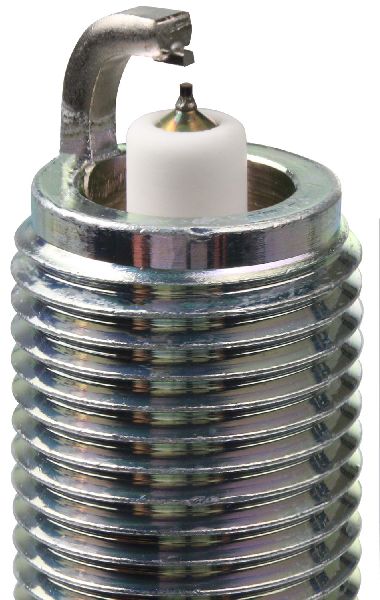
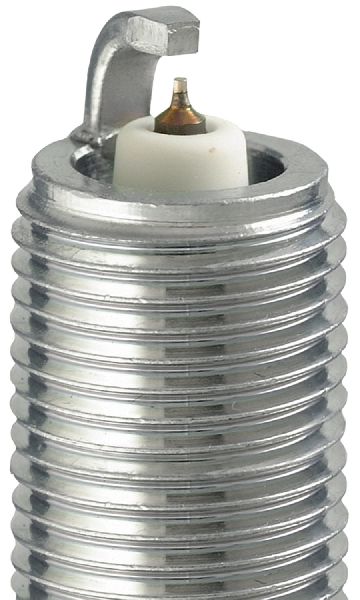
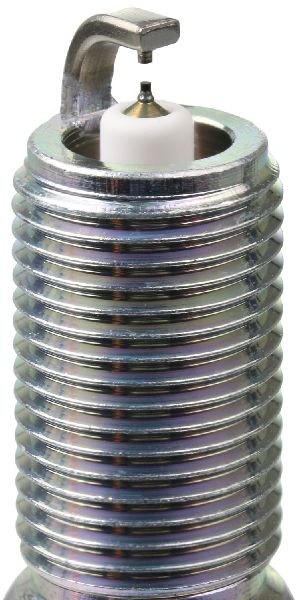
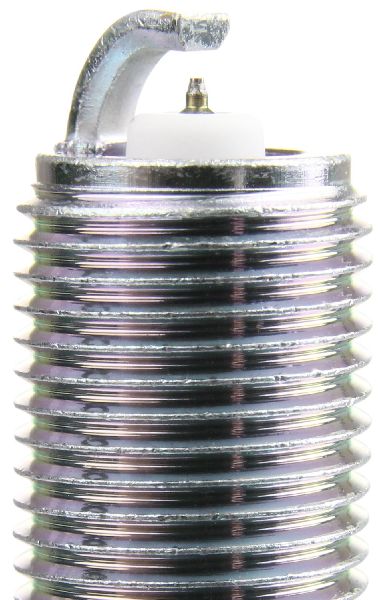
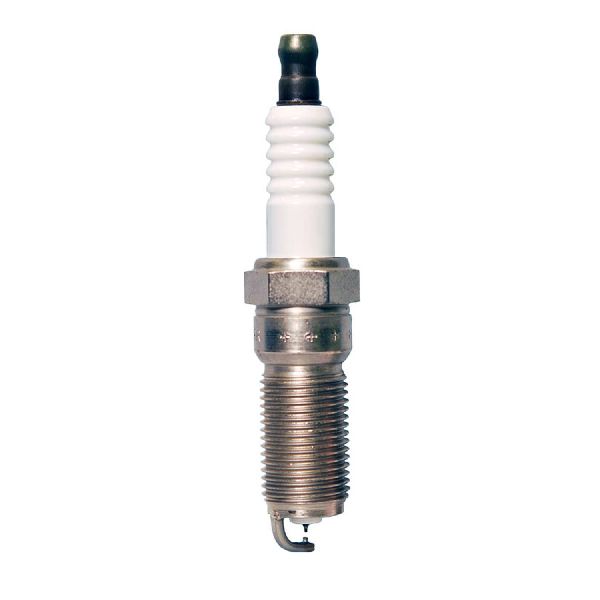
The gap is the tiny space between the center and ground electrodes of the plug. The spark has to jump this gap. If the gap is too small or too large, the spark will be weak, leading to poor combustion. For the Focus, the correct gap is critical. For the 2.0L GDI, it's around 0.035 inches, while the 2.0L EcoBoost ST needs a smaller gap of about 0.028 inches. Always verify the correct gap for your specific engine and check the new plugs before installation, as they can be knocked out of spec during shipping.
Can I use a cheaper copper spark plug?
While copper plugs are available, they are not recommended for the 2013-2018 Focus. These engines were designed for long-life iridium or platinum plugs. Copper plugs have a much shorter lifespan and may not provide the consistent spark energy these modern direct-injection engines require.
I found oil in the spark plug well. Is the plug bad?
This is a common issue, but it's not caused by the spark plug. It's usually due to a failing valve cover gasket or spark plug tube seals. The oil leaks down into the well and can cause the ignition coil to fail, leading to a misfire. If you find oil, you'll need to replace the valve cover gasket set when you change the plugs.
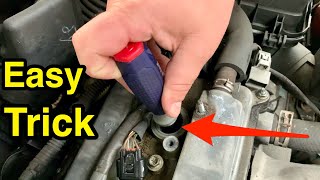
🎬 Watch: How to clean oil out of your spark plug wells.Helpful Videos
Technical Specifications
OEM Part Numbers: CYFS12Y2 SP-537 SP-550 CYFS-12Y-PCT SP535
Spark plug gap and heat range are critical and vary by engine. For the common 2.0L EcoBoost ST, the gap is 0.027-0.031 in (0.70-0.80 mm). For the 2.0L GDI, the gap is approximately 0.035 in. For the 1.0L EcoBoost, the gap is around 0.023-0.027 in. Always verify the specification for your exact vehicle.
We Have This Part in Stock

The information in this article is provided for general reference and educational purposes only. Vehicle specifications, procedures, and part compatibility can vary by production date, trim level, and region. Always consult your vehicle's factory service manual and verify part numbers before purchasing or performing repairs. Safety-critical components such as airbags, seat belts, and braking systems should be installed by a qualified professional.
- Ford Focus: