

Diagnosing and Replacing the Engine Coolant Temperature Sensor on a 2013-2018 Ford Ranger
If your Ranger's temperature gauge is acting strange or your fuel economy has dropped, your Engine Coolant Temperature Sensor might be the culprit.
- Symptoms of a bad ECT sensor include poor fuel economy, rough idle, an erratic temp gauge, and a check engine light with codes like P0117 or P0128.
- For this sensor, a quality aftermarket part from a brand like Standard Ignition or Holstein is a viable alternative to a more expensive OEM part.
- Verify if your truck needs the two-wire ECT sensor (for the computer) or the one-wire sender (for the gauge) to avoid ordering the wrong part.
- No direct recalls exist for this sensor, but check if your Ranger is affected by a recall for engine block heaters that can leak coolant.
Signs of a Failing Coolant Temperature Sensor

A bad ECT sensor sends incorrect information to your truck's computer, which can cause a variety of problems. You might notice one or more of these signs:
- Check Engine Light: This is often the first warning. The computer will store fault codes like P0117, P0118, or P0128.
- Poor Fuel Economy: If the sensor wrongly tells the computer the engine is cold, the computer will enrich the fuel mixture, wasting gas.
- Black Smoke from Exhaust: A very rich fuel mixture can result in black smoke coming from the tailpipe as excess fuel is burned.
- Engine Overheating: If the sensor fails to tell the computer the engine is getting hot, the cooling fans may not turn on when needed.
- Erratic Temperature Gauge: The gauge on your dashboard might swing wildly, read very high or very low, or not move at all.
- Rough Idling: The engine may idle poorly or stall because the computer is using incorrect fuel and timing adjustments.
Known Issues: Engine Block Heater Recall
While there are no direct recalls for the Engine Coolant Temperature Sensor on this Ranger, a notable recall exists for the engine block heater on some models. The block heater could crack, leak coolant, and cause an electrical short and fire risk when plugged in. If you have a block heater, it is worth checking with a dealer if your vehicle is affected by Ford recall 25SA4.
Choosing the Right Aftermarket Part

When replacing your ECT sensor, you have a choice between OEM (Original Equipment Manufacturer) and aftermarket parts. For critical sensors, many mechanics prefer OEM parts for their proven reliability. However, high-quality aftermarket parts can offer a great balance of value and performance.
- Premium Aftermarket (Good/Better): Brands like Standard Ignition and Holstein are well-known in the industry. They aim to meet or exceed OEM specifications and are a reliable choice for a daily driver. While most parts work perfectly, occasional fitment or calibration issues have been noted in broad reviews, highlighting the importance of buying for your specific vehicle.
- Value Aftermarket (Good): Brands like Global Parts and True Tech represent the economy tier. They provide a functional replacement at a lower cost, which can be ideal for budget-conscious repairs. Owner reviews for these brands are less common, but they serve as a cost-effective solution.
Pro Tip: Sensor or Sender?
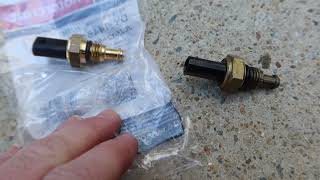
Some Ford engines use two separate parts: a two-wire ECT sensor for the computer and a one-wire coolant temperature sender for the dashboard gauge. Before ordering, confirm which part you need to replace. The ECT sensor, which controls engine functions, is the more critical of the two and is the focus of this guide.
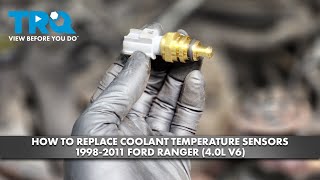
🎬 Watch: Step-by-step sensor replacement for older Ford Ranger models.| Part Type | Estimated Cost |
|---|---|
| New Aftermarket | $11.80 - $43.37 |
| New OEM (Motorcraft) | $40 - $90 |
| Shop Labor | $100 - $200 |
Frequently Asked Questions

Where is the ECT sensor located on the 2013-2018 Ranger?
The ECT sensor is typically screwed into a coolant passage near the thermostat housing, which is often at the top of the engine where the upper radiator hose connects. The exact location can vary based on whether you have the 2.5L petrol or the 2.2L/3.2L diesel engine.
Can I replace the coolant temperature sensor myself? 🎬 Watch: Changing a coolant temperature sensor on a newer Ranger.
Yes, this is a DIY-friendly job for someone with basic mechanical skills. The main challenge is access. You will need simple hand tools, and it's best to replace the sensor when the engine is cold to avoid burns and minimize coolant loss. Some coolant will escape, so have a drain pan ready and some extra coolant to top off the system afterward.
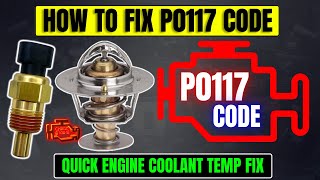
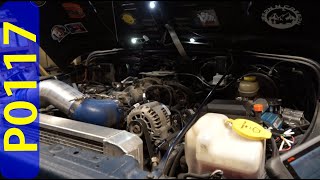
What do the codes P0117 and P0128 mean? 🎬 See this quick guide on fixing the P0117 fault code.
P0117 (Engine Coolant Temperature Sensor Circuit Low Input) usually means the computer is seeing a voltage from the sensor that is lower than expected, often indicating a short circuit or a failed sensor. P0128 (Coolant Thermostat - Coolant Temperature Below Thermostat Regulating Temperature) means the engine is not reaching its proper operating temperature quickly enough, which can be caused by a faulty thermostat or a bad ECT sensor that is reading incorrectly.
What happens if I don't replace a bad sensor?
Ignoring a bad ECT sensor can lead to persistently poor fuel economy, failed emissions tests, and a rough-running engine. In a worst-case scenario, if the sensor fails to report an overheating condition, you risk severe engine damage that could turn a small repair into a very expensive one.
Helpful Videos
![How to Fix FORD P0117 Engine Code in 3 Minutes [2 DIY Methods / Only $7.43]](https://img.youtube.com/vi/HE0ShHfUSoI/mqdefault.jpg)
Technical Specifications
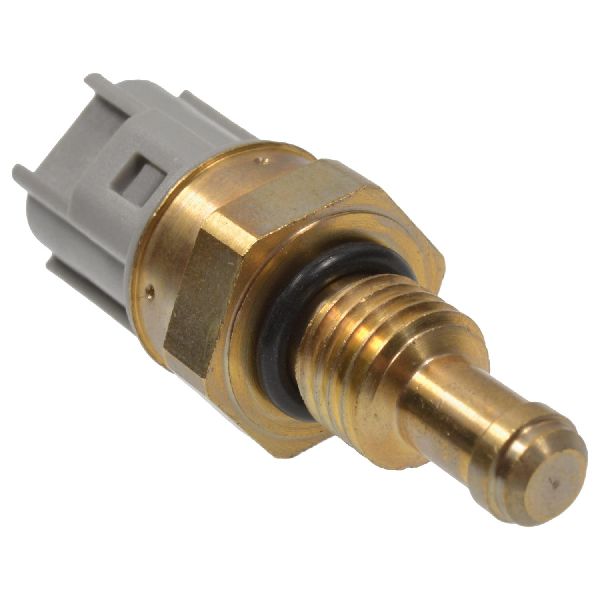
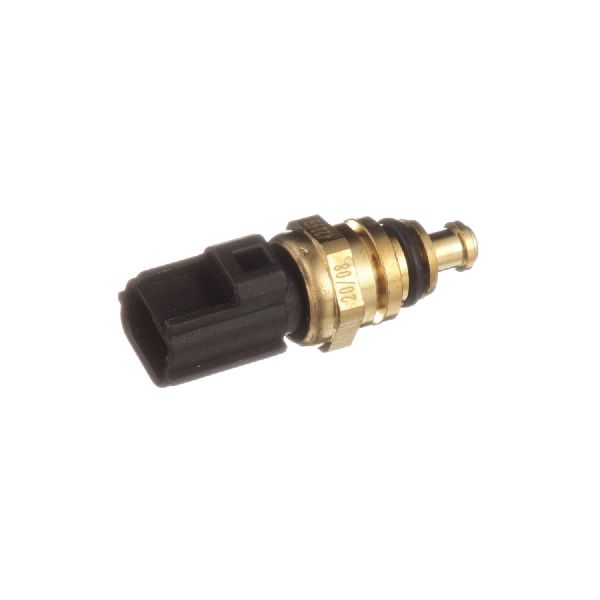
OEM Part Numbers: 8E5A-12A648-AA F62F12A648AA
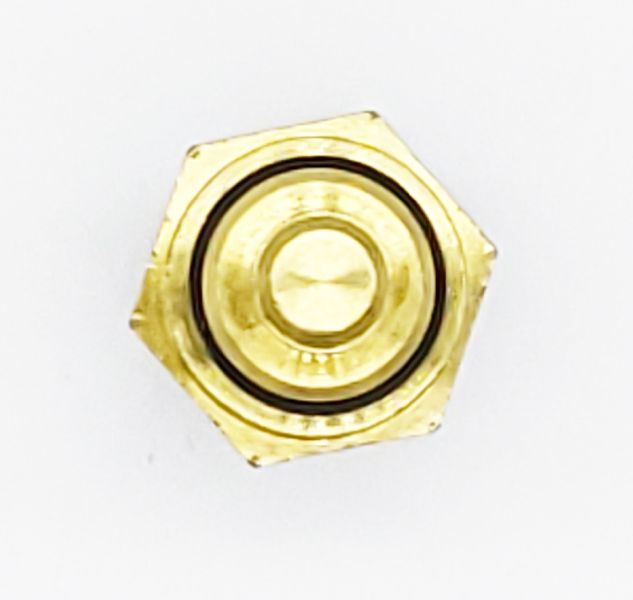
The ECT sensor for the 2.5L Duratec engine is a 2-pin, screw-in type sensor that cross-references with parts used in other Ford vehicles like the Focus and Escape.
We Have This Part in Stock


The information in this article is provided for general reference and educational purposes only. Vehicle specifications, procedures, and part compatibility can vary by production date, trim level, and region. Always consult your vehicle's factory service manual and verify part numbers before purchasing or performing repairs. Safety-critical components such as airbags, seat belts, and braking systems should be installed by a qualified professional.
- Ford Ranger: