

Ford Ranger Engine Oil Pressure Switch Guide (2013-2018)
Learn to spot a failing oil pressure switch on your Ranger and pick the best aftermarket replacement.
- A flickering or steady oil light is the main symptom; always check your oil level first.
- For the 2013-2018 Ranger, a quality aftermarket switch from Standard Ignition or Rostra is a reliable, cost-effective repair.
- This part is DIY-friendly, typically requiring only basic hand tools and about 30 minutes.
- Diagnostic codes P0520, P0522, and P0523 strongly suggest a problem with the oil pressure switch or its circuit.
Understanding the 2013-2018 Ford Ranger Market
It's important to know that the 2013-2018 Ford Ranger (T6 platform) was a global vehicle and was not officially sold in the US or North American markets. The Ranger was discontinued in the US after 2011 and reintroduced in 2019. This guide is for the global 2013-2018 model, which you might own as an import. This also means that data from US-specific agencies like the NHTSA is not available for this model range.
Symptoms of a Failing Oil Pressure Switch

A bad oil pressure switch can cause confusing symptoms. Since the switch's job is to report pressure, a faulty one can give false readings. Always check your oil level first when you see an oil pressure warning. If the oil level is fine, the switch itself is the likely culprit.
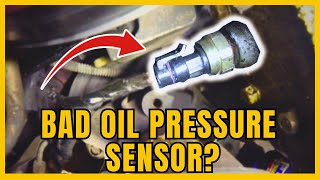
🎬 Check out this guide on common symptoms of a failing oil pressure sensor.- Oil Pressure Light On or Flickering: The most common sign is the red oil pressure light on your dashboard coming on, staying on, or flickering intermittently. This can happen at idle, during acceleration, or at random.
- Gauge Reading is Wrong: If your Ranger has an oil pressure gauge, a bad switch might cause it to read zero, max out, or swing back and forth erratically.
- Engine Performance Issues: In some cases, a faulty signal to the engine's computer can lead to issues like rough idling or the vehicle entering a reduced-power "limp mode."
Choosing the Right Aftermarket Part

For a simple part like an oil pressure switch, an aftermarket replacement is a perfectly reliable and cost-effective choice. The key is to choose a brand with a good reputation for quality control.
Aftermarket Brand Tiers
| Brand | Our Assessment |
|---|---|
| Standard Ignition (Standard Motor Products) | A well-respected aftermarket brand with a long history. They are known for producing quality electronic components and sensors that meet or exceed original specifications. Many professional technicians trust and use their parts. |
| Rostra Powertrain | Rostra is a manufacturer of both OEM and aftermarket parts, specializing in transmission and engine components. They are a certified manufacturer known for tested and calibrated parts, making them a solid choice for reliability. |
OEM vs. Aftermarket Quality
For the 2013-2018 Ranger, a quality aftermarket oil pressure switch from a reputable brand like Standard Ignition or Rostra offers comparable performance to the original equipment (OEM) part. Given the significant cost savings, a new aftermarket switch is often the smartest choice for this repair.
Known Issues, Recalls, or TSBs
Searches for recalls and Technical Service Bulletins (TSBs) related to the oil pressure switch on the 2013-2018 global Ford Ranger did not reveal any specific campaigns for the switch itself. However, some related issues have been noted:
- Oil Pump Priming: A technical bulletin for the 3.2L engine indicates that if an oil change is not completed within a specific time frame (around 15 minutes), the oil pump can lose its prime, leading to a low oil pressure light even with a full sump. The fix involves over-filling the oil to flood and re-prime the pump, then draining the excess. 🎬 See how to fix a lost oil pump prime after an oil change.
- Other Models: Recalls for other Ford models like the Focus and EcoSport have been issued for oil pressure problems related to oil pump belt tensioners, but these do not apply to the Ranger T6 platform.
Frequently Asked Questions (FAQ)

Where is the oil pressure switch located on a 2013-2018 Ranger?
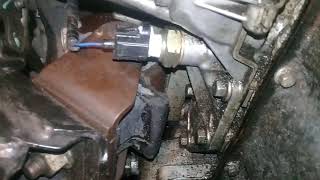
The location can vary slightly depending on the engine (e.g., 2.2L or 3.2L diesel). It is typically screwed into the engine block, often near the oil filter housing. For example, on the 2.2L diesel, it is found on the driver's side of the engine block, next to the oil filter and oil cooler assembly.
🎬 Watch this video to see the exact sensor location on the 2.2L engine.What do codes like P0520, P0522, or P0523 mean?
These are generic OBD-II trouble codes related to the oil pressure sensor circuit.
- P0520: Indicates a general fault in the sensor circuit.
- P0522: Signals that the sensor circuit voltage is low, often corresponding to a low pressure reading.
- P0523: Signals that the sensor circuit voltage is high, often corresponding to a high pressure reading.
Is an aftermarket oil pressure switch a good choice?
Yes. For this part, a quality aftermarket switch from a known brand provides excellent value. Brands like Standard Ignition and Rostra are established manufacturers with a reputation for reliable electronic parts.
Can I replace the oil pressure switch myself?
Yes, this is generally a DIY-friendly job for someone with basic mechanical skills. It usually requires a deep socket and a ratchet. The main challenge is accessing the switch, which may be in a tight spot. Always ensure the engine is cool before starting the repair.
Helpful Videos
Technical Specifications
The oil pressure switch for the Ford Ranger T6 is a single-pin or multi-pin electrical sensor that threads into the engine block, typically near the oil filter housing. It operates by sending a voltage signal to the ECU that corresponds to engine oil pressure.
We Have This Part in Stock


The information in this article is provided for general reference and educational purposes only. Vehicle specifications, procedures, and part compatibility can vary by production date, trim level, and region. Always consult your vehicle's factory service manual and verify part numbers before purchasing or performing repairs. Safety-critical components such as airbags, seat belts, and braking systems should be installed by a qualified professional.
- Ford Ranger: