

A Ford Ranger Owner's Guide to 2013-2018 Fuel Injector Replacement
Is your 2.2L or 3.2L diesel Ranger running rough? Your fuel injectors might be the problem.
- Injector failure on the 2.2L and 3.2L diesel is common and often caused by fuel contamination.
- Symptoms include rough idle, power loss, and excessive smoke. A fuel smell is a critical warning.
- For this engine, using high-quality OEM or reputable remanufactured injectors is crucial; avoid unusually cheap parts.
- New injectors must be coded to the engine computer (ECU) with a diagnostic tool to function correctly.
Is Your Ranger's Engine Acting Up? It Could Be the Injectors

If you own a 2013-2018 Ford Ranger with the 2.2L or 3.2L Duratorq diesel engine, you know it's a tough truck. But even the toughest trucks have parts that wear out. The fuel injectors are a common maintenance item, especially as these trucks get older. Because they operate under intense pressure and are sensitive to fuel quality, they can become clogged, worn, or fail entirely. Ignoring the signs of a bad injector can lead to bigger, more expensive problems, including serious engine damage.
Symptoms of a Failing Fuel Injector

Your truck has ways of telling you something is wrong. Pay attention to these common signs of injector failure:
- Rough Idle: The engine shakes or runs unevenly when you're stopped.
- Loss of Power: The truck feels sluggish and doesn't accelerate like it used to.
- Increased Fuel Consumption: You're stopping for fuel more often than normal.
- Excessive Smoke: You see black or white smoke coming from the exhaust, especially under acceleration.
- Engine Knocking: A sharp, metallic knocking sound from the engine could mean too much fuel is being dumped into a cylinder.
- Check Engine Light: Your dashboard may show a check engine light with fault codes related to fuel delivery or cylinder misfires.
- Hard Starting: The engine cranks but struggles to start, or won't start at all.
Don't Ignore a Leaking Injector
A strong smell of diesel fuel around your truck could be a sign of an external leak, which is a fire hazard. A stuck-open injector can also leak fuel internally, which can wash oil off cylinder walls or even create a hot spot on the piston, potentially leading to catastrophic engine failure. This is a serious issue that needs immediate attention.
Choosing the Right Aftermarket Fuel Injector

When it's time to replace your injectors, you'll find a few options. For these specific diesel engines, quality is critical. The common-rail system is highly sensitive, and a cheap, poorly made injector can fail quickly and damage your engine.
OEM vs. Aftermarket
OEM (Original Equipment Manufacturer): The original injectors in your Ranger were made by Continental. Buying genuine OEM parts guarantees a perfect fit and the quality your truck was built with, but they are the most expensive option.
Remanufactured OEM: These are used OEM injector cores that have been professionally disassembled, cleaned, inspected, and rebuilt with new components. A high-quality remanufactured injector from a reputable company can offer OEM performance at a lower cost.
New Aftermarket: This is where you need to be careful. Aftermarket brands like Standard Ignition produce a wide range of parts. For sensitive components like a diesel injector, quality can vary greatly between brands.
A Warning on Price
New common-rail diesel injectors are complex, precision-made parts. Be very suspicious of any new aftermarket injector that costs significantly less than the OEM or reputable remanufactured options. Extremely low-priced injectors (under $100) are often poorly made and have a very high failure rate. Sticking with a known, trusted brand is the safest choice for your engine's health.
Estimated Cost of Replacement

The cost to replace fuel injectors can vary widely based on the parts you choose and local labor rates. The 3.2L engine has five injectors and the 2.2L has four, so replacing them all is a significant investment.
| Part Type | Estimated Price (Per Injector) | Notes |
|---|---|---|
| New OEM (Continental) | $300 - $500+ | Highest quality and reliability. |
| Remanufactured OEM | $200 - $350 | Good balance of quality and cost from a reputable rebuilder. |
| New Aftermarket (Reputable) | $150 - $300 | Quality varies by brand; stick to well-known names. |
| New Aftermarket (Low-Tier) | $45 - $100 | High Risk. Not recommended for this engine due to quality concerns. |
| Shop Labor | $400 - $800+ | For replacing all injectors. Job takes several hours. |
Frequently Asked Questions
Are there any recalls for the 2013-2018 Ranger fuel injectors?
No, there are no official recalls for fuel injectors on the international 2013-2018 Ford Ranger T6 models. Injector failure is typically treated as a wear-and-tear or maintenance issue, often caused by fuel contamination or lack of maintenance.
Can I replace just one bad injector?
Yes, you can replace a single failed injector. However, fuel injectors tend to wear at a similar rate. If one has failed due to high mileage, others may not be far behind. For this reason, many mechanics recommend replacing all of them at the same time to ensure balanced engine performance and to avoid repeat labor costs.
Do new injectors need to be coded to the truck?
Yes. These common-rail injectors have a unique calibration code printed on them. After installation, this code must be programmed into the engine's computer (ECU) using a diagnostic tool like FORScan. This step is critical for ensuring the engine runs smoothly and efficiently.
How can I make my fuel injectors last longer?
The best way to extend injector life is to use high-quality diesel fuel from busy service stations and to change your fuel filter regularly—or even more often than Ford recommends. Some owners install an additional aftermarket fuel filter and water separator for extra protection against contamination, which is the number one killer of these injectors.
Helpful Videos
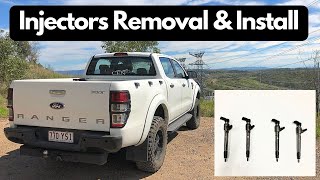

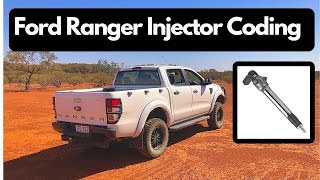
Technical Specifications
OEM Part Numbers: CK4Q-9K546-AA BK2Q-9K546-AG A2C8139490080 A2C59517051
This guide applies to the international Ford Ranger (T6 platform) equipped with the 2.2L Duratorq 4-cylinder or 3.2L Duratorq 5-cylinder common-rail diesel engines. These vehicles were sold globally but not in the US or Canada during these model years.
We Have This Part in Stock


The information in this article is provided for general reference and educational purposes only. Vehicle specifications, procedures, and part compatibility can vary by production date, trim level, and region. Always consult your vehicle's factory service manual and verify part numbers before purchasing or performing repairs. Safety-critical components such as airbags, seat belts, and braking systems should be installed by a qualified professional.
- Ford Ranger:
- 🎬 Helpful Videos
- 🛍️ Shop This Part
- Is Your Ranger's Engine Acting Up? It Could Be the Injectors
- Symptoms of a Failing Fuel Injector
- Don't Ignore a Leaking Injector
- Choosing the Right Aftermarket Fuel Injector
- OEM vs. Aftermarket
- A Warning on Price
- Estimated Cost of Replacement
- Frequently Asked Questions
- 🎟️ Get 5% Off