

Engine Coolant Temperature Sensor Guide for 2013-2018 Jeep Cherokee
Is your Jeep Cherokee running rough, getting bad gas mileage, or showing a check engine light? Your coolant sensor might be the problem.
- Verify your engine (2.4L or 3.2L) before buying, as the sensor location is different.
- A bad sensor is a common cause of poor fuel economy and check engine codes like P0117 and P0128.
- For best results and to avoid issues, most owners recommend using an OEM Mopar sensor.
- Replacement is a manageable DIY task, but requires draining and refilling the engine coolant.
Is My Coolant Temperature Sensor Failing?

A bad coolant temperature sensor can cause a range of confusing problems. Because the sensor's reading affects so many engine functions, a false signal can make the engine behave poorly. Watch for these common signs of failure in your 2013-2018 Jeep Cherokee.
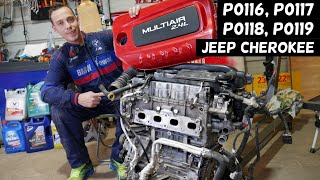
- Check Engine Light: This is the most common symptom. A faulty ECT sensor can trigger several trouble codes, including P0116, P0117, P0118, P0119, and P0128. 🎬 Watch: How to address these specific Jeep Cherokee trouble codes.
- Poor Fuel Economy: If the sensor is stuck sending a "cold" signal, the engine's computer will continuously enrich the fuel mixture, thinking the engine is still warming up. This wastes gas and causes a noticeable drop in your MPG.
- Engine Overheating or Running Too Cool: A faulty sensor might not trigger the electric cooling fans when needed, leading to overheating. Conversely, a code like P0128 often indicates the engine isn't reaching its proper operating temperature, which can also be caused by a bad sensor or a stuck-open thermostat.
- Erratic Temperature Gauge: The gauge on your dashboard might read incorrectly. It could stay on cold, jump to hot suddenly, or fluctuate randomly.
- Black Smoke from Exhaust: A very rich fuel mixture caused by a bad sensor can result in unburned fuel exiting through the exhaust, creating black smoke.
Choosing the Right Aftermarket Sensor: OEM vs. Aftermarket

When it comes to critical engine sensors on a Jeep, there is a lot of debate about quality. Many experienced owners and mechanics report that these vehicles can be sensitive to the electronic signals from aftermarket sensors.
Brand Quality Tiers
| Tier | Brands | Notes |
|---|---|---|
| OEM / Premium | Mopar, NTK | Mopar is the original factory part. Forum users suggest that NTK is the original manufacturer for Mopar, making it a top-quality alternative. For critical sensors, this is the safest choice to avoid compatibility issues. |
| Quality Aftermarket | Delphi, Standard Ignition (SMP), Beck Arnley | These brands have a strong reputation for producing reliable parts. Delphi, for example, highlights its history as an OE (Original Equipment) manufacturer for many car brands. They are generally a solid choice if OEM is not available or is too expensive. |
| Economy | Dorman, Crown, various store brands | While attractively priced, some forum members advise caution with economy-tier electrical parts like sensors. While a brand like Crown Automotive receives good reviews for mechanical parts, sensors can be more hit-or-miss. These may work fine, but there is a higher reported risk of premature failure or inaccurate readings compared to premium brands. |
How Much Does a New Coolant Temperature Sensor Cost?

The cost to replace the ECT sensor on a 2013-2018 Cherokee depends on the part you choose and whether you do the work yourself. The job is simple enough for a DIYer with basic tools.
| Cost Type | Price Range |
|---|---|
| New OEM (Mopar) Part | $45 - $80 |
| New Aftermarket Part | $17 - $298 |
| Shop Labor | $100 - $200 |
Common Ordering Mistake
The 2013-2018 Jeep Cherokee was available with two main engines: the 2.4L 4-cylinder and the 3.2L V6. The location of the coolant temperature sensor is different for each engine. Always verify your engine size before ordering to ensure you are looking at the correct part and replacement procedure.
Frequently Asked Questions

Where is the coolant temperature sensor on a 2013-2018 Jeep Cherokee?
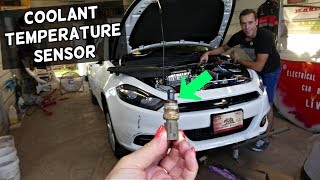
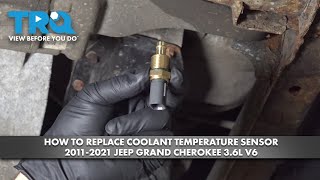
The location depends on your engine. For the 2.4L MultiAir engine, the sensor is located on the thermostat housing, on the right side of the engine (passenger side). 🎬 See this replacement walkthrough for the 2.4L MultiAir engine. For the 3.2L V6 engine, the sensor is on the back of the driver's side cylinder head.
Can I replace the sensor myself?
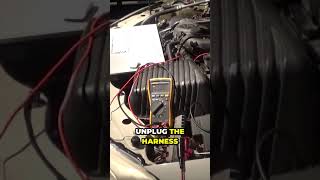
Yes, this is a DIY-friendly job for most home mechanics. The main steps involve partially draining the coolant, unplugging the electrical connector, and unscrewing the old sensor to install the new one. The most important steps are to work on a cool engine and to properly refill and bleed the cooling system afterward.
What trouble codes are related to the ECT sensor?
Common codes include P0116 (Circuit Performance), P0117 (Circuit Low), P0118 (Circuit High), and P0119 (Circuit Intermittent). 🎬 Watch: A mechanic's guide to diagnosing P0117 and P0118 codes. Additionally, code P0128 (Coolant Temperature Below Thermostat Regulating Temperature) can be caused by a faulty sensor, though it is also commonly caused by a stuck-open thermostat.
Should I buy an OEM Mopar sensor or is aftermarket okay?
Many Jeep enthusiasts strongly recommend using an OEM Mopar sensor or one from the OEM manufacturer (like NTK). They report that Jeeps can be picky about sensor voltage readings, and an out-of-spec aftermarket part can cause persistent problems, even if it's new. If you choose aftermarket, stick to reputable brands like Delphi or Standard Ignition.
Do I have to drain the coolant to change the sensor?
It is highly recommended. Draining the coolant to a level below the sensor prevents a large spill and potential burns from hot coolant. Some mechanics will quickly swap the sensors to minimize coolant loss, but this is risky and messy. The proper procedure is to drain, replace, and then refill and bleed the system.
Helpful Videos
Technical Specifications
OEM Part Numbers: 5149077AB
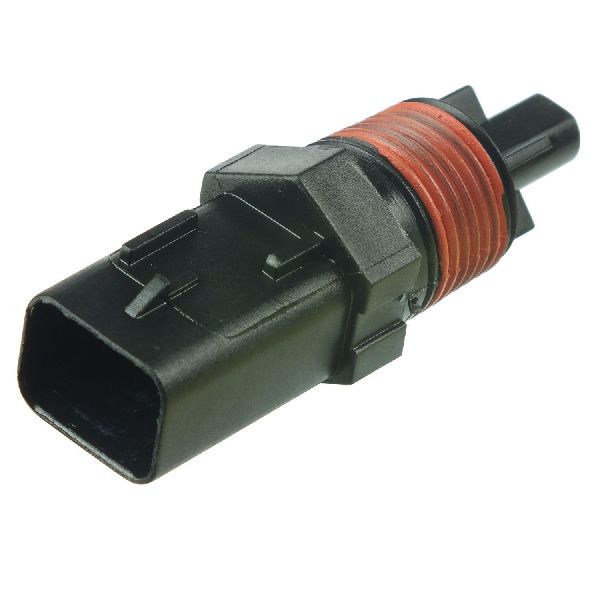
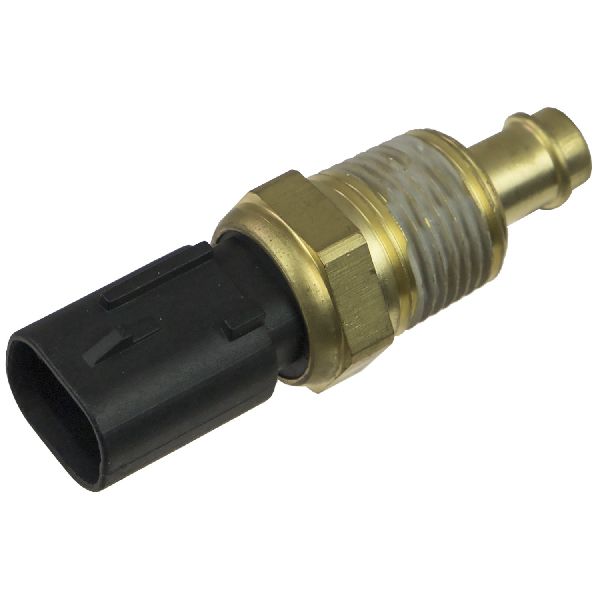
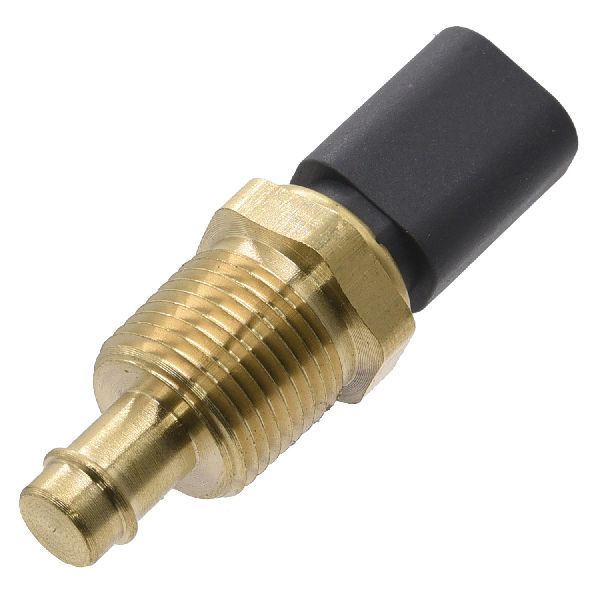
Connector is typically a 2-pin blade style. The sensor threads into either the thermostat housing (2.4L) or the cylinder head (3.2L).
We Have This Part in Stock


The information in this article is provided for general reference and educational purposes only. Vehicle specifications, procedures, and part compatibility can vary by production date, trim level, and region. Always consult your vehicle's factory service manual and verify part numbers before purchasing or performing repairs. Safety-critical components such as airbags, seat belts, and braking systems should be installed by a qualified professional.
- Jeep Cherokee: