

Toyota Avalon Intake Manifold Gasket Guide (2013-2018)
Everything a 2013-2018 Toyota Avalon owner needs to know about replacing a failing intake manifold gasket set.
- A failing intake gasket on the 2013-2018 Avalon typically causes a rough idle and a Check Engine Light with lean codes (P0171, P0174).
- This is not a widespread, common failure, but can occur due to age and heat.
- High-quality aftermarket brands like Victor Reinz and Beck Arnley offer OEM-level quality for a lower price.
- Always replace the full set (upper and lower gaskets) and never reuse old gaskets.
Is This a Common Problem on the 2013-2018 Avalon?
The 3.5L V6 engine (2GR-FE) in the 2013-2018 Avalon is known for its reliability, and widespread intake manifold gasket failure is not a common issue. However, due to age and the constant heat cycles of the engine, these rubber and composite gaskets can become hard, brittle, and develop cracks over time, leading to air leaks.
Symptoms of a Failing Intake Manifold Gasket
A bad intake manifold gasket on your Avalon will primarily cause a vacuum leak. This leak introduces extra, unmetered air into the engine, which can throw off the air-fuel mixture. You will likely notice one or more of the following symptoms:
- Check Engine Light: This is the most common sign. The leak will often trigger "System Too Lean" codes P0171 🎬 Learn how to identify and fix lean codes on an Avalon. (Bank 1) and P0174 (Bank 2).
- Rough Idle: The engine may shake, stutter, or have a fluctuating RPM at idle because of the inconsistent air-fuel mixture.
- Poor Engine Performance: You might experience hesitation during acceleration, a general loss of power, and reduced throttle response.
- Decreased Fuel Economy: Your engine's computer tries to compensate for the lean condition by adding more fuel, which hurts your gas mileage.
- Hissing Noises: In some cases, you may hear a distinct hissing or whistling sound coming from the engine bay, which is the sound of air being sucked through the failed gasket. 🎬 See a visual guide on symptoms of a bad intake gasket.
No Recalls or TSBs Found
Our research found no specific recalls or Technical Service Bulletins (TSBs) from Toyota or the NHTSA related to intake manifold gasket failure for the 2013-2018 Toyota Avalon. The most relevant recalls for this vehicle generation concern airbag control modules.
Choosing the Right Aftermarket Gasket Set
For a reliable vehicle like the Avalon, you don't necessarily need to pay dealership prices for an OEM gasket. High-quality aftermarket brands provide excellent performance and value. Here’s a breakdown of the brands available:
- Tier 1 (OEM Quality): Victor Gaskets (Victor Reinz) and Beck Arnley are excellent choices. Victor Reinz is a well-respected OEM supplier for many European and domestic brands, known for high-quality materials. Beck Arnley often sources parts from the original equipment manufacturers, so you may receive a part identical to the genuine Toyota gasket in a different box.
- Tier 2 (Quality Aftermarket): Brands like Fel-Pro are a staple in the repair industry and are known for producing reliable gaskets that often meet or exceed OEM specifications. They are a very popular and trusted choice for professional mechanics and DIYers alike.
- Tier 3 (Budget-Friendly): Apex is a more budget-oriented brand. While functional for a repair, the materials and manufacturing tolerances may not be on par with the higher-tier brands. For a critical component like this, investing a few extra dollars in a Tier 1 or Tier 2 brand is recommended for long-term peace of mind.
Cost of Replacing the Intake Manifold Gasket Set
The total cost depends on whether you do the job yourself or take it to a repair shop. The parts themselves are not expensive, but the labor can be significant.
| Part or Service | Estimated Cost |
|---|---|
| New OEM Gasket Set | $309 - $317 |
| New Aftermarket Gasket Set | $15.54 - $79.82 |
| Shop Labor | $297 - $436 |
| Total Professional Replacement | $558 - $754 |
Pro Tip: While the intake manifold is off, it's a great time to inspect and clean the throttle body and check all vacuum hoses connected to the manifold for cracks or brittleness. Replacing these small items at the same time can prevent future vacuum leaks.
Frequently Asked Questions
Do I need to replace both upper and lower gaskets?
Yes. The intake system on the 2GR-FE engine uses an upper plenum gasket and two lower intake-to-head gaskets. Since you have to remove the upper manifold to get to the lower ones, it is essential to replace them all as a set. Most aftermarket kits include all necessary gaskets.
Can I reuse my old intake manifold gaskets?
No. Intake manifold gaskets are a one-time-use part. They are designed to crush and conform to the sealing surfaces. Once compressed and heat-cycled, they will not seal properly if reinstalled, leading to immediate leaks.
Is this a difficult job to do myself (DIY)?
For an experienced DIYer, this is a manageable job that takes a few hours. It requires removing the upper intake plenum, disconnecting fuel lines, and unbolting the lower manifold. The difficulty is moderate, mainly due to the number of components that need to be removed to access the gaskets. If you are not comfortable working around the fuel system, it's best to leave this to a professional.
Is a lean code (P0171/P0174) always a bad intake gasket?
No, not always. While a failing intake gasket is a common cause, these codes can also be triggered by a dirty Mass Air Flow (MAF) sensor, a cracked air intake hose between the air filter and the throttle body, or a failing fuel pump. It's important to diagnose the issue correctly 🎬 Watch this breakdown of lean codes and common Toyota fuel issues. before replacing parts. A mechanic can perform a "smoke test" to pinpoint the exact location of a vacuum leak.
Helpful Videos
Technical Specifications
OEM Part Numbers: 17176-0P030 17177-0P030
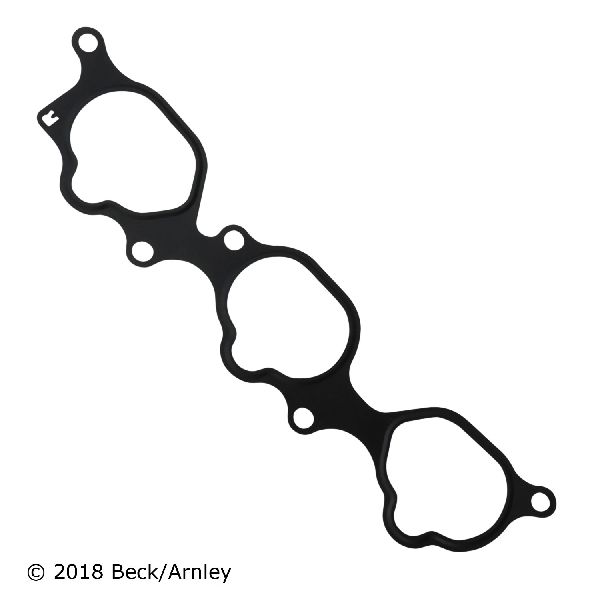
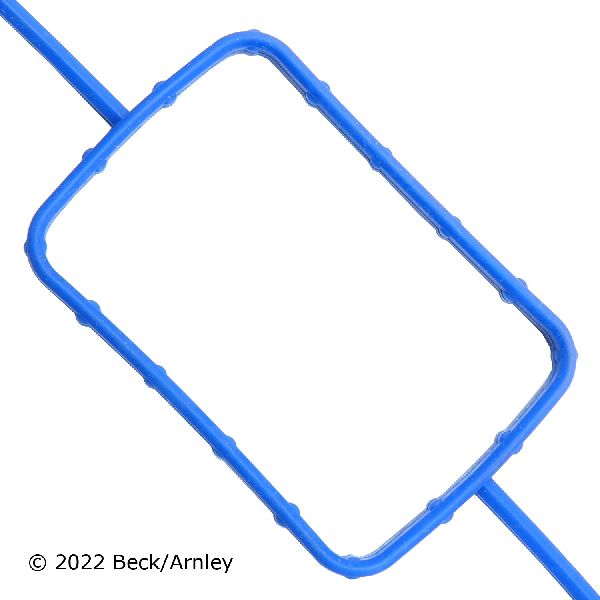
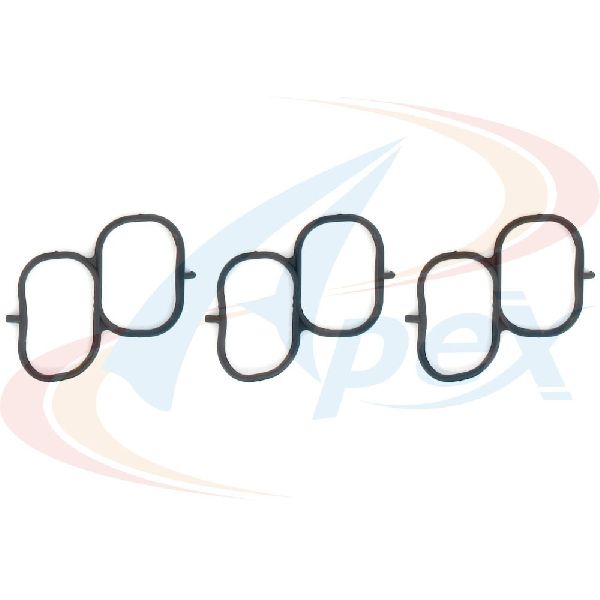
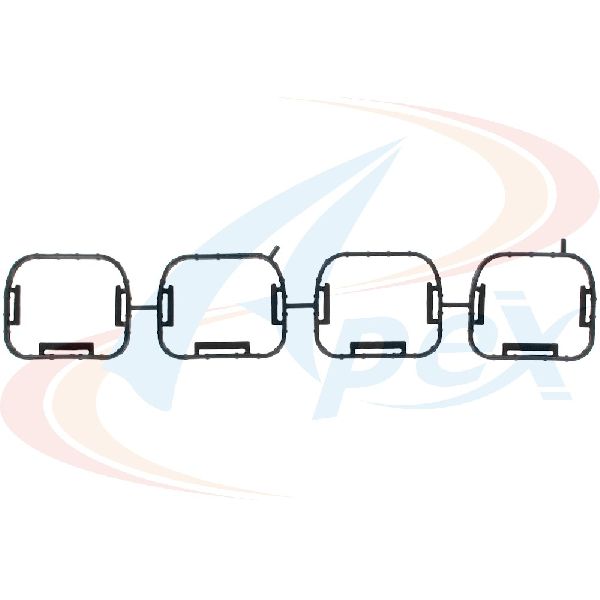
The 2013-2018 Toyota Avalon with the 3.5L V6 (2GR-FE) engine requires a three-piece gasket set. This includes one upper plenum gasket (sealing the 'Air Surge Tank') and two lower intake manifold gaskets (one for each cylinder bank).
We Have This Part in Stock


The information in this article is provided for general reference and educational purposes only. Vehicle specifications, procedures, and part compatibility can vary by production date, trim level, and region. Always consult your vehicle's factory service manual and verify part numbers before purchasing or performing repairs. Safety-critical components such as airbags, seat belts, and braking systems should be installed by a qualified professional.
- Toyota Avalon: