

2013-2018 Toyota Camry Engine Coolant Bypass Hose Replacement Guide
Understand the signs of a failing coolant bypass hose on your Camry and how to choose the right replacement part.
- A failing bypass hose will typically leak pink coolant, cause a sweet smell, or lead to overheating.
- For the 2013-2018 Camry, a quality aftermarket hose from a brand like Gates is a reliable and cost-effective alternative to the OEM part.
- While no recalls exist for this specific hose, 2018 models are part of a support program for a related valve issue where hose replacement is often necessary.
- Always replace hose clamps with the hose and use Toyota-specific pink/red coolant to refill the system.
Signs of a Failing Coolant Bypass Hose

Like any rubber component exposed to constant heat cycles, the engine coolant bypass hose on your 2013-2018 Toyota Camry will eventually wear out. Failure is not a matter of if, but when. Being able to spot the warning signs can save you from overheating and potential engine damage.
- Coolant Leaks: This is the most obvious symptom. You may notice puddles of pink or red fluid under your car, especially towards the front of the engine. The leak might be a slow drip or a more significant puddle. You might also see pink, crusty residue around the hose connections.
- Low Coolant Levels: A leaking bypass hose will cause the coolant level in the reservoir to drop over time. If you find yourself frequently topping off the coolant, you likely have a leak somewhere in the system.
- Engine Overheating: If the hose fails completely or develops a large leak, the subsequent loss of coolant will cause your engine to overheat. Watch for the temperature gauge on your dashboard climbing into the red zone.
- Sweet Smell: Engine coolant has a distinct sweet, syrupy smell. If you notice this odor inside or outside your Camry, it's a strong indicator of a coolant leak, even if you can't see it.
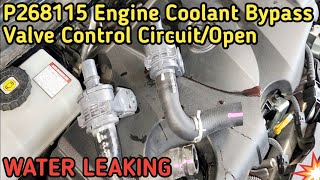
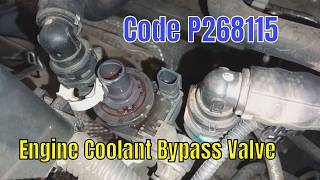
- Check Engine Light: On some newer models, a failing coolant bypass valve connected to the hose can trigger a check engine light with codes like P268115. 🎬 Watch: How to replace the bypass valve and fix circuit shorts. While this points to the electronic valve, the hose is often damaged or difficult to remove during the repair and should be replaced at the same time.
Known Issues and TSBs
While there are no specific recalls for the engine coolant bypass hose on the 2013-2018 Camry, Toyota has issued a Customer Support Program (CSP 24TE04) 🎬 See this walkthrough for diagnosing code P268115 on newer models. for a related issue on 2018 and newer models involving a faulty engine coolant bypass valve. This issue causes coolant to leak and can trigger fault codes. Technicians often recommend replacing the associated hoses during this repair, as they can be difficult to remove without damage. No other widespread recalls or Technical Service Bulletins (TSBs) specifically target this hose for the 2013-2017 model years.
Choosing a New Aftermarket Bypass Hose

When replacing the coolant bypass hose on your Camry, you have a choice between an OEM part from Toyota and a new aftermarket part. For this component, a quality aftermarket part offers a reliable and cost-effective solution.
- OEM (Original Equipment Manufacturer): The original Toyota hose is a high-quality, direct-fit part. It's a proven performer but typically comes at a higher price point.
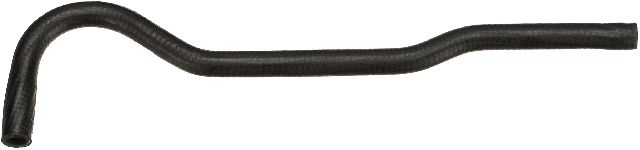
- Aftermarket (Gates): Gates is a highly respected brand in the automotive aftermarket, known for producing belts and hoses that often meet or exceed OEM specifications. A Gates molded bypass hose is engineered to resist heat, ozone, and electrochemical degradation, which is the leading cause of hose failure. It is designed to be a direct, factory-molded fit for your Camry, ensuring an easier installation without modifications.
Pro Tip: Always replace hose clamps when you install a new coolant hose. Old clamps can lose their tension over time, leading to new leaks. It's a small, inexpensive step that ensures a secure, long-lasting repair.
| Part Type | Estimated Cost |
|---|---|
| New Aftermarket (Gates) | $20.86 |
| New OEM (Toyota) | $12 - $85 |
| Shop Labor | $105 - $160 |
Frequently Asked Questions

Is this a difficult part to replace myself?
For a DIYer with basic tools, replacing this hose is generally feasible. The main challenge is often access, as the hose may be located in a tight spot behind other components. You will need to drain some coolant, so have a catch pan ready. The difficulty is rated as easy to moderate.
How often should the coolant bypass hose be replaced?
There is no set replacement interval. Hoses should be inspected during regular maintenance for signs of cracking, bulging, or softness. As a general rule, consider replacing all major coolant hoses every 8-10 years or around 100,000 miles as preventative maintenance.
Do I need to replace the bypass valve at the same time?
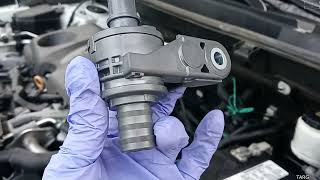
Not necessarily, especially on earlier models in this range. However, on 2018 models, issues with the electronic bypass valve are common. If you are replacing a faulty valve, 🎬 Watch: A step-by-step guide to fixing the engine coolant bypass valve. it is highly recommended to replace the connected hoses, as they often get stuck or damaged during removal.
What kind of coolant should I use for my Camry?
Always use a pink or red Asian vehicle-specific coolant, often labeled as "Toyota Super Long Life" or an equivalent OAT/P-OAT formula. Using the wrong type of coolant can cause damage to the cooling system components.
Helpful Videos
Technical Specifications
OEM Part Numbers: 16261-0V010 16261-0V060 16261-20010 16260-F0021
Molded EPDM rubber hose resistant to electrochemical degradation. Designed for a direct fit on 2.5L and 3.5L engines, though specific part numbers may vary by engine and model year.
We Have This Part in Stock

The information in this article is provided for general reference and educational purposes only. Vehicle specifications, procedures, and part compatibility can vary by production date, trim level, and region. Always consult your vehicle's factory service manual and verify part numbers before purchasing or performing repairs. Safety-critical components such as airbags, seat belts, and braking systems should be installed by a qualified professional.
- Toyota Camry: