

A Guide to Replacing the Radiator in Your 2013-2018 Toyota Camry
Everything you need to know when your Camry's radiator starts to fail.
- Radiator failure on the 2013-2018 Camry is a common wear-and-tear issue, not a defect; expect replacement around 8-10 years.
- Symptoms include overheating, pink/red fluid leaks, and a sweet smell from the engine.
- Denso is the original manufacturer; choosing Denso, Koyorad, or CSF for an aftermarket replacement ensures high quality and proper fit.
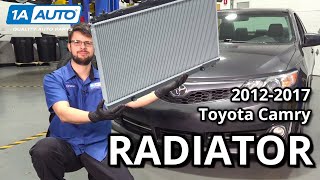
- It is highly recommended to replace the radiator hoses and thermostat at the same time to save on future labor costs.
Is Your Camry's Radiator Failing?


Radiators on the 2013-2018 Toyota Camry are generally reliable, but they don't last forever. Most modern radiators, including the original one in your Camry, use plastic tanks attached to an aluminum core. Over many years and heat cycles, this plastic can become brittle and crack, causing leaks. This is the most common failure for this part. Here are the main signs that your radiator needs to be replaced:
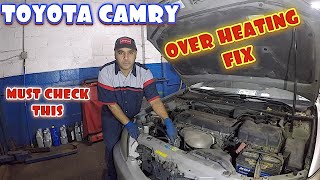
- Engine Overheating: The most obvious sign. If the temperature gauge on your dashboard climbs into the red 🎬 Watch: How to diagnose an overheating Camry and burst radiator., your cooling system is not working properly.
- Coolant Leaks: Finding puddles of bright green, orange, or pink fluid under the front of your car is a sure sign of a leak. Toyota uses a pink/red coolant, so look for that color.
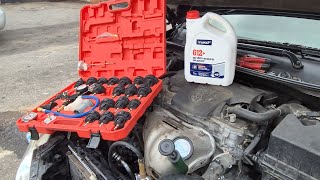
- Low Coolant Light: A constantly low coolant level, even after topping it off, means the fluid is escaping somewhere. 🎬 See this guide on finding coolant leaks that aren't visible.
- Sweet Smell: Leaking coolant has a distinct sweet smell. If you notice this smell after driving, you likely have a leak.
- Visible Steam: If coolant leaks onto a hot engine, it will turn into steam that you might see coming from under the hood.
Known Issues, Recalls, and TSBs
For the 2013-2018 Toyota Camry, there are no specific recalls or widespread Technical Service Bulletins (TSBs) for radiator failure. Failures are typically due to age and normal wear and tear rather than a manufacturing defect. The original radiators can last for 8-10 years or well over 100,000 miles with proper maintenance.
Choosing the Right Aftermarket Radiator

When replacing your Camry's radiator, you have a choice between Original Equipment (OEM) and aftermarket parts. The original radiator was made by Denso. Aftermarket parts offer a range of quality and price points.
Aftermarket Brand Tiers
| Tier | Brands | Description |
|---|---|---|
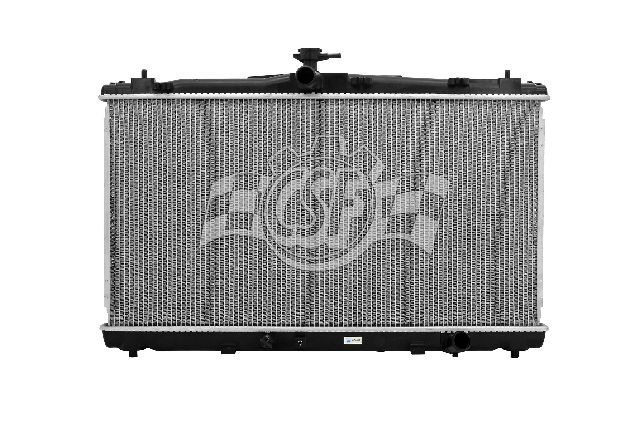
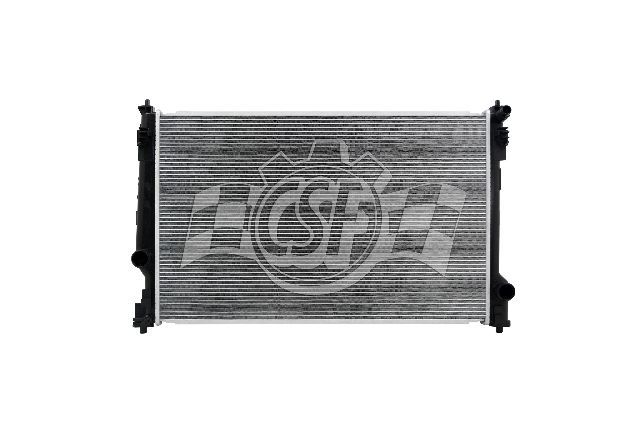
| Tier 1: OEM & Premium Aftermarket | Denso, Koyorad, CSF Radiator | These brands are known for quality that meets or exceeds the original part. Denso is the OEM supplier, making it a direct replacement. Koyorad and CSF are highly respected in the industry for their reliability and excellent fit, often considered premium choices. |
| Tier 2: Standard Aftermarket | Spectra | Spectra is a well-known brand that offers a good balance of quality and price. They are designed to fit and function like the original part and are a reliable choice for most daily drivers. |
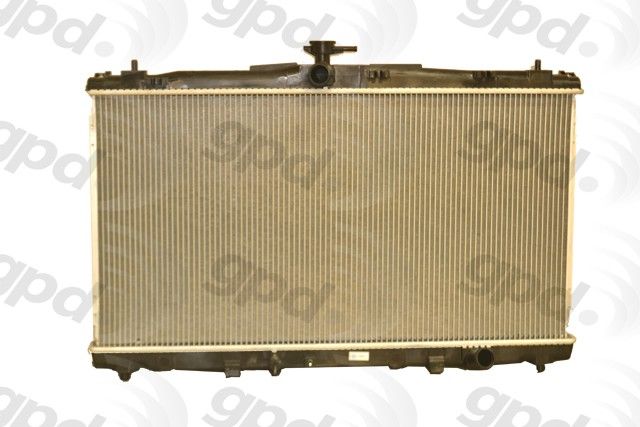
| Tier 3: Economy | APDI, Global Parts, One Stop Solutions, Onix | These brands provide a budget-friendly option. While they can get your car back on the road, there are some reports of fitment issues or lower longevity compared to higher-tiered brands. They are a viable choice if cost is the primary concern. |
Cost to Replace Your Camry's Radiator
The cost depends on whether you do the job yourself or take it to a shop, and which brand of part you choose.
Estimated Replacement Costs
| Item | Estimated Cost |
|---|---|
| New OEM Part (Dealer) | $230 - $335 |
| New Aftermarket Part | $102 - $263 |
| Shop Labor | $360 - $540 |
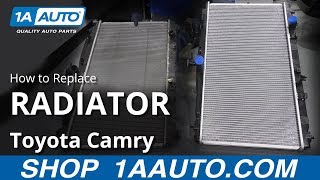
| Total Professional Job 🎬 Save on labor costs with this step-by-step radiator replacement walkthrough. | $460 - $900+ |
Frequently Asked Questions (FAQ)

Can I drive my Camry with a leaking radiator?
It is not recommended. A small leak can quickly become a big one, leading to rapid coolant loss and engine overheating. Overheating can cause catastrophic engine damage, such as a warped cylinder head or a blown head gasket, which are extremely expensive repairs.
Is a small radiator leak a big deal?
Yes. Any leak in the cooling system compromises its ability to hold pressure, which lowers the boiling point of the coolant and makes overheating more likely. A small leak will only get worse over time. It's best to address it as soon as possible.
Why did my original radiator fail? It's a Toyota!
Even on a reliable car like a Camry, parts wear out. Most modern radiators use plastic end tanks crimped to an aluminum core. After years of constant heating and cooling, the plastic becomes brittle and can crack, or the seals between the plastic and aluminum can fail. This is a normal wear-and-tear item expected to fail after about 8-10 years.
Should I replace the radiator hoses and thermostat at the same time?
Yes, it is highly recommended. The radiator hoses are made of rubber and are exposed to the same heat and pressure as the radiator. The thermostat is another critical part of the cooling system that can fail. Since replacing the radiator requires draining the coolant and removing the hoses anyway, replacing these inexpensive parts at the same time is smart preventative maintenance and saves you from paying for the same labor twice down the road.
Helpful Videos

Technical Specifications
OEM Part Numbers: 16400-0V110 164000V110 16400-0V120 164000V120
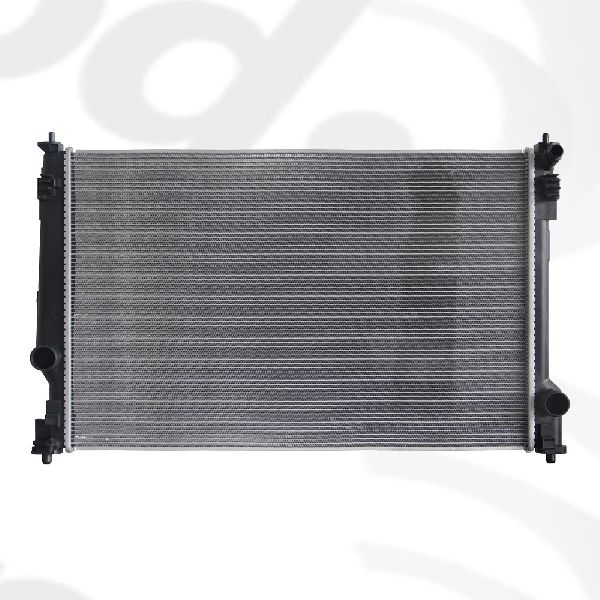
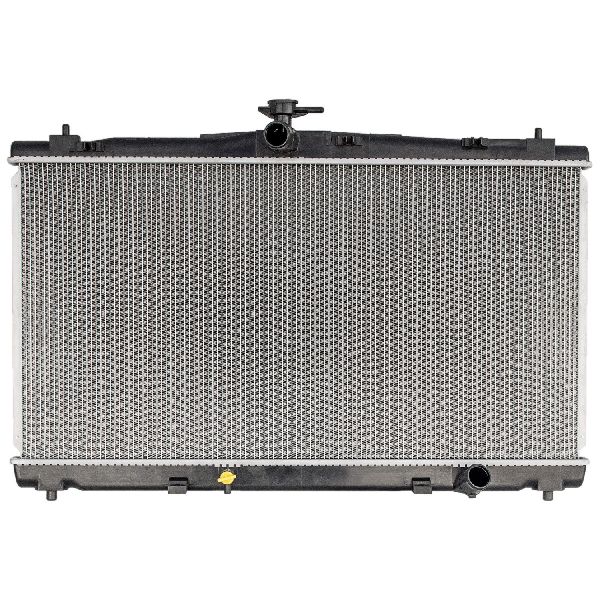
Core Material: Aluminum; Tank Material: Plastic. Includes integrated transmission oil cooler for automatic transmission models.
We Have This Part in Stock

The information in this article is provided for general reference and educational purposes only. Vehicle specifications, procedures, and part compatibility can vary by production date, trim level, and region. Always consult your vehicle's factory service manual and verify part numbers before purchasing or performing repairs. Safety-critical components such as airbags, seat belts, and braking systems should be installed by a qualified professional.
- Toyota Camry: