

A Guide to Spark Plugs for the 2013-2019 Audi A6 Quattro
Learn how to choose the right spark plugs to maintain your Audi's performance and reliability.
- For best results, use only Iridium or Platinum spark plugs from OEM-equivalent brands like NGK and Bosch.
- Plan to replace your spark plugs every 30,000 to 40,000 miles to maintain engine health and performance.
- Common signs of failure are a rough idle, engine misfires, and an illuminated check engine light with codes P0300-P0306.
- If doing this yourself, use a torque wrench and tighten the plugs to 22 ft-lbs (30 Nm) to avoid damaging the engine.
Symptoms of Failing Spark Plugs

When spark plugs wear out, they can cause noticeable problems with how your Audi drives. The signs often start small but can become more serious. Ignoring them can lead to poor performance, worse fuel mileage, and potentially damage other engine parts.
- Engine Misfires or Stuttering: This is the most common sign. You may feel a hesitation or jerking during acceleration, especially under load. A flashing check engine light often accompanies a misfire, which signals a more serious issue.
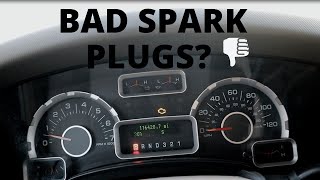
- Rough Idle: When your car is stopped, the engine may sound shaky and you might feel vibrations 🎬 Watch: See a demonstration of these common bad spark plug symptoms. through the car. A healthy engine should idle smoothly.
- Reduced Power and Acceleration: Your A6 may feel sluggish and slow to respond when you press the gas pedal. Worn plugs can't efficiently ignite the fuel, which robs the engine of power.
- Worse Fuel Economy: If you find yourself filling up the gas tank more often, failing spark plugs could be the cause. Inefficient combustion wastes fuel.
- Check Engine Light: A steady check engine light can be triggered by failing plugs. Common trouble codes include P0300 (random/multiple cylinder misfire) or P0301 through P0306 (indicating a misfire in a specific cylinder). 🎬 Watch: Tips for diagnosing misfire codes and related engine issues.
Choosing the Right Aftermarket Spark Plugs

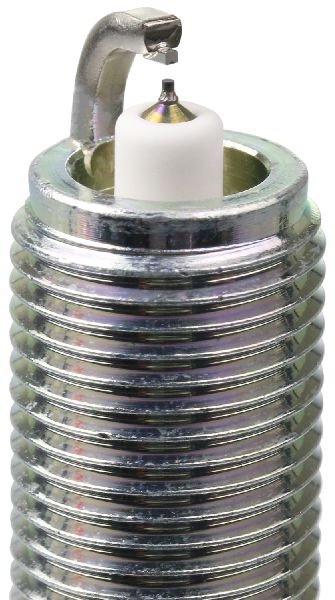
For a precision-engineered car like the Audi A6 Quattro, not just any spark plug will do. The material and brand you choose have a direct impact on performance and how long the plugs will last. It is highly recommended to use Iridium or double Platinum plugs for these engines.
Brand Quality Tiers
Tier 1: OEM-Equivalent Quality
These brands are often the original equipment manufacturers for Audi. They offer the best fit, performance, and longevity, making them a safe and reliable choice.
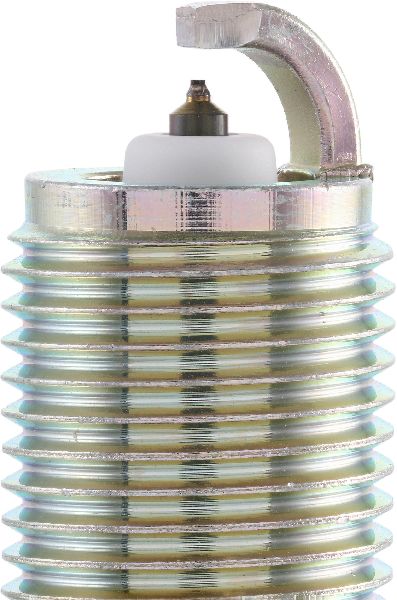
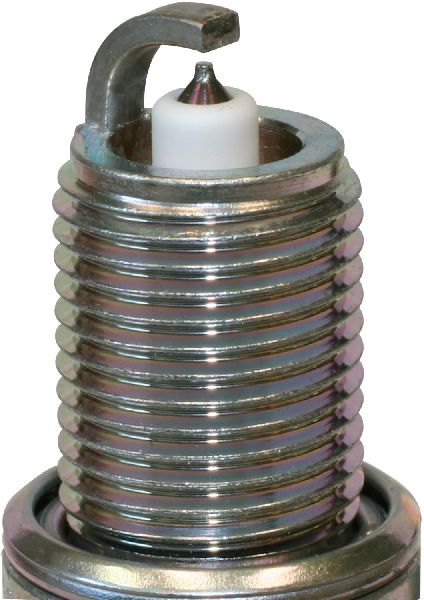
- NGK: Widely regarded as an OEM supplier and a top choice among Audi owners and mechanics. Their Iridium and Laser Platinum plugs are excellent options for both the 2.0T and 3.0T engines.
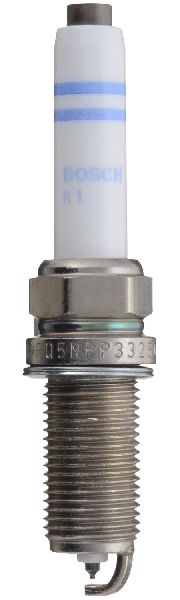
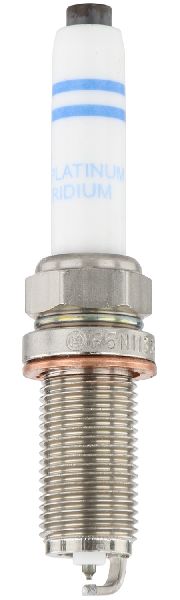
- Bosch: Another German brand and OEM supplier that provides high-quality double platinum and iridium plugs designed to meet or exceed factory specifications.
Tier 2: High-Quality Aftermarket
This brand is a well-respected Japanese manufacturer known for producing reliable ignition components that are a strong alternative to OEM parts.
- Denso: Denso's Iridium plugs are a great performance choice and are known for their durability and excellent ignitability.
Tier 3: Standard/Economy
These brands offer a more budget-friendly option. While functional, they may not provide the same level of performance or lifespan as the top-tier brands in a high-output Audi engine.
- Champion: A well-known brand offering a range of plugs, but less commonly recommended for modern German performance engines.
- Autolite: Similar to Champion, this brand provides cost-effective solutions but may not be the ideal choice for optimal performance in an A6.
- Skyward: An economy brand that can work if you're on a tight budget, but its long-term reliability and performance in this specific application are not well-documented in owner forums.
Cost of Spark Plug Replacement (2013-2019 Audi A6 Quattro)
| Category | Estimated Cost |
|---|---|
| DIY Aftermarket Parts (Set of 4 or 6) | $40 - $180 |
| Shop Labor | $155 - $227 |
| Total Professional Replacement (Aftermarket) | $207 - $359 |
| OEM Parts (Set from Dealer) | $150 - $200+ |
Known Issues, Recalls, or TSBs

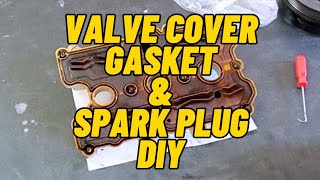
Searches of the National Highway Traffic Safety Administration (NHTSA) database and technical forums did not reveal any specific recalls or Technical Service Bulletins (TSBs) directly related to spark plugs for the 2013-2019 Audi A6 Quattro. However, misfires can sometimes be caused by related issues like failing ignition coils or oil leaking into the spark plug tubes from a bad valve cover gasket.
Frequently Asked Questions (FAQ)

How often should I replace the spark plugs on my Audi A6?
The recommended replacement interval is typically every 30,000 to 40,000 miles. If your vehicle is tuned or you drive aggressively, it's a good practice to inspect or replace them closer to the 30,000-mile mark to maintain peak performance.
Do I need to gap new spark plugs?
Most high-quality plugs from NGK and Bosch come pre-gapped for your vehicle. However, it is always a good practice to double-check the gap with a feeler gauge before installation. Tuned engines often require a smaller gap, so consult your tuner for the correct specification.
Should I use anti-seize on the spark plug threads?
This is a debated topic. Many modern spark plugs (including NGK and Bosch) have a special metal plating that acts as a lubricant and prevents seizing. Applying extra anti-seize can cause you to over-torque the plug, potentially damaging the threads in the engine's cylinder head. Always follow the specific spark plug manufacturer's instructions; if they don't recommend it, don't use it.
What is the difference between Iridium and Platinum plugs?
Iridium is a harder and more durable precious metal than platinum, with a much higher melting point. This makes iridium plugs last longer and provide a more consistent, stable spark, which is ideal for the high-heat, high-pressure environment of your Audi's turbocharged or supercharged engine.
Is replacing the spark plugs a DIY job?
Yes, for a moderately experienced DIYer, this is a manageable job that takes 1-2 hours. You will need a torque wrench, a 16mm (or 5/8") spark plug socket, extensions, and a Torx T30 bit. On the 3.0T engine, the coolant reservoir must be unbolted and moved aside to access the driver's side plugs.
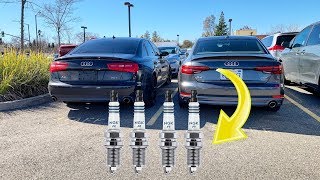
🎬 See this walkthrough for a simple Audi A6 spark plug replacement.Helpful Videos

Technical Specifications
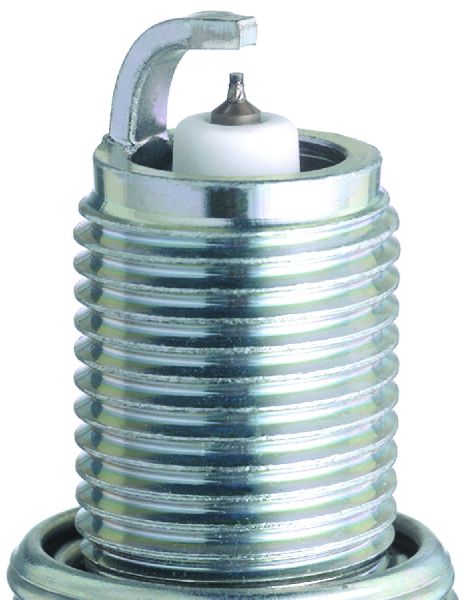
OEM Part Numbers: 06K905601M 079905626G 079905626M 94460 (NGK PFR8S8EG)
Socket Size: 16mm or 5/8 inch Torque Specification: 22 ft-lbs (30 Nm) Recommended Material: Iridium or Platinum
We Have This Part in Stock

The information in this article is provided for general reference and educational purposes only. Vehicle specifications, procedures, and part compatibility can vary by production date, trim level, and region. Always consult your vehicle's factory service manual and verify part numbers before purchasing or performing repairs. Safety-critical components such as airbags, seat belts, and braking systems should be installed by a qualified professional.
- Audi A6 Quattro: