

A Guide to the Engine Coolant Reservoir for the 2013-2019 BMW X3 (F25)
Understanding why the plastic coolant tank on your BMW X3 fails and how to choose the right aftermarket replacement.
- The plastic coolant reservoir is a common failure point on 2013-2019 BMW X3s due to heat and pressure causing cracks.
- Symptoms include low coolant warnings, visible blue leaks, and physical cracks in the tank.
- For best results, choose a premium aftermarket brand like Mahle or CRP (Rein) which are often OEM suppliers.
- Always replace the reservoir cap with the tank and inspect the connected hoses for wear.
Why BMW X3 Coolant Reservoirs Fail

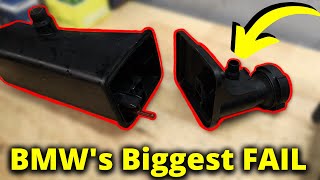
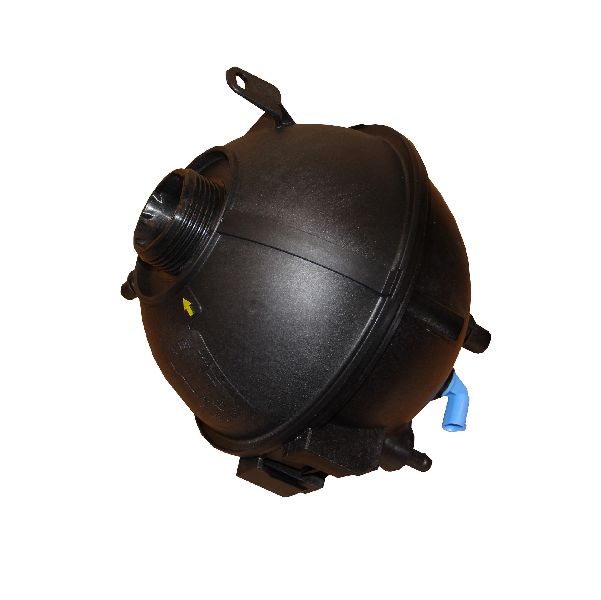
The engine coolant reservoir in the 2013-2019 BMW X3 (F25 generation) is a known weak point. The tank is made of plastic, which becomes brittle over time due to constant exposure to high temperatures and pressure changes from the cooling system. This repeated stress eventually causes hairline cracks to form, leading to coolant leaks. Leaks can also develop around the seams of the two-piece plastic tank or at the connection points for the hoses and the coolant level sensor at the bottom. Failure is common enough that many owners consider it a preventative maintenance item.
🎬 Watch this deep dive into why BMW expansion tanks fail.Symptoms of a Failing Coolant Reservoir

Catching a failing coolant tank early can save you from being stranded with an overheating engine. Here are the most common signs:
- Low Coolant Warning Light: The most obvious sign is a persistent low coolant warning on your dashboard, even after topping it off.
- Visible Coolant Leaks: You may see puddles of blue BMW coolant on the ground under the front passenger side of your vehicle. You might also notice white or blue crusty residue on or around the tank itself.
- Cracks in the Plastic: A visual inspection may reveal small, hairline cracks on the tank, especially around the seams or hose connections.
- Steam from the Engine Bay: If a crack is large enough, hot coolant can spray onto hot engine parts, creating steam.
- Faulty Level Sensor Reading: Sometimes the tank itself is fine, but the integrated level sensor fails, causing a false low coolant warning. Many aftermarket tanks come with a new sensor, but some require you to transfer the old one.
A Note on the Reservoir Cap
The coolant reservoir cap is not just a lid; it's a pressure-regulating valve. If the cap fails, it can't hold the correct pressure, which lowers the boiling point of your coolant and can lead to overheating. It's recommended to replace the cap whenever you replace the reservoir, or as a maintenance item every few years.
Choosing the Right Aftermarket Reservoir

When replacing the coolant tank, you have a choice between Original Equipment (OE) and various aftermarket brands. For a critical part like this on a BMW, brand quality matters.
| Brand Tier | Brands | Quality & Cost Assessment |
|---|---|---|
| OEM / Premium Aftermarket | Mahle, CRP (Rein) | Mahle is often an Original Equipment Manufacturer (OEM) for BMW, meaning their parts are typically identical to the genuine BMW part without the dealership price tag. CRP/Rein is also a well-regarded OEM supplier for many BMW components and is considered a top-quality alternative. These brands offer the best fit and durability, closely matching the original specifications. |
| Quality Aftermarket | Nissens | Nissens specializes in cooling system components and generally has a reputation for good quality. While perhaps not always an OEM for this specific part, they are a solid choice for reliable performance. |
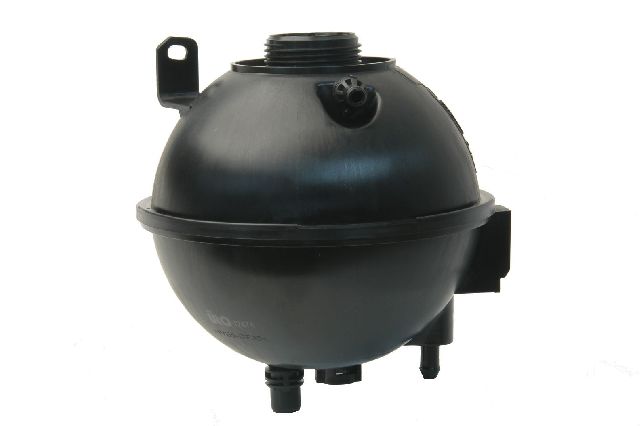
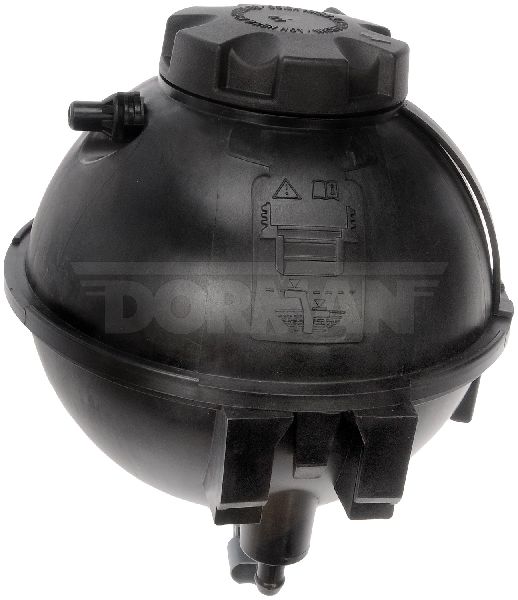
| Economy Aftermarket | Dorman, URO Parts, Global Parts | These brands offer a more budget-friendly option. However, quality can be inconsistent. Some owners have reported fitment issues with Dorman tanks, such as incorrect outlet diameters causing leaks. URO Parts has a mixed reputation; while they are ISO 9000 certified, some mechanics prefer to use them for less critical components. These parts may be a viable option if budget is the primary concern, but they may not have the same longevity as premium brands. |
Pro Tip: Inspect and Replace Hoses
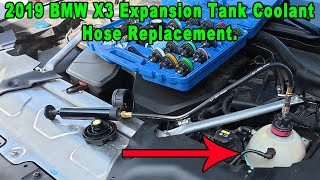
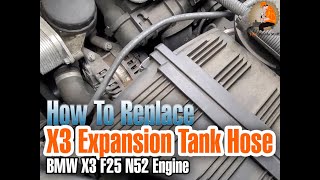
While you are replacing the reservoir, it's a good idea to inspect the connected coolant hoses for wear, brittleness, or swelling. The upper vent hose is particularly prone to wear. Replacing worn hoses at the same time can prevent future leaks and save you from doing the job twice.
Frequently Asked Questions (FAQ)

Is this a difficult DIY job?
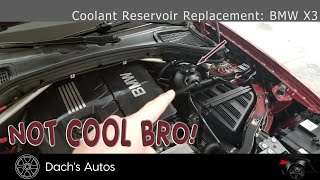
For a moderately experienced DIYer, this is a very manageable job. It typically involves removing a few fasteners, unclipping two or three hoses, and disconnecting the level sensor. The entire process can often be completed in under an hour. 🎬 Follow this step-by-step guide to replacing your X3 reservoir. The most critical step after installation is properly bleeding the air out of the cooling system, a procedure which can be activated through a specific sequence in the car.
🎬 See how to perform the electric water pump bleed procedure.Do I need to drain all the coolant to replace the reservoir?
No, you do not need to drain the entire system. You can use a fluid extractor or a turkey baster to remove most of the coolant from the tank itself to minimize spillage. Some coolant will still spill from the lower hose when you disconnect it, so have rags ready.
Can I just replace the coolant level sensor?
Yes, the sensor can be replaced separately. It twists out from the bottom of the tank. However, if your tank is original and several years old, it is likely brittle. Given the common failure of the tank itself and the relatively low cost of a complete new unit (which often includes a new sensor), it is highly recommended to replace the entire reservoir.
What kind of coolant should I use for my BMW X3?
You must use a specific type of coolant for your BMW. Use only BMW's blue-colored G48 coolant, mixed 50/50 with distilled water. Using the wrong type of coolant can lead to corrosion and damage to the cooling system components.
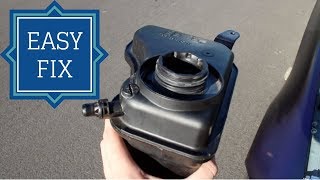
Helpful Videos
Technical Specifications
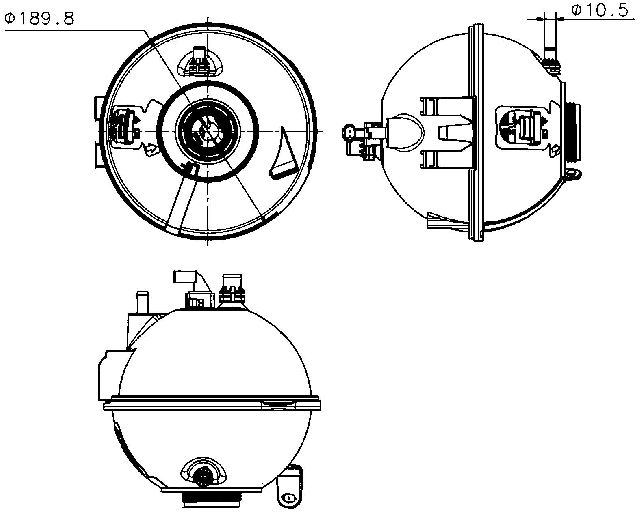
OEM Part Numbers: 17138616418 17137639464 17137823544
Material: Plastic. Includes Level Sensor: Varies by brand (most do). Pressurized: Yes.
We Have This Part in Stock


The information in this article is provided for general reference and educational purposes only. Vehicle specifications, procedures, and part compatibility can vary by production date, trim level, and region. Always consult your vehicle's factory service manual and verify part numbers before purchasing or performing repairs. Safety-critical components such as airbags, seat belts, and braking systems should be installed by a qualified professional.
- BMW X3: