

Ford Explorer Brake Caliper Guide (2013-2019): Symptoms and Replacement
Is your 2013-2019 Ford Explorer pulling to one side or have a burning smell after driving? Your brake caliper might be the problem.
- Sticking calipers are a common issue for 2013-2019 Explorers, causing pulling, burning smells, and uneven pad wear.
- No specific caliper recalls exist for this generation; failures are typically due to corrosion and wear.
- Always replace calipers in pairs (both front or both rear) to ensure safe, balanced braking.
- Coated aftermarket calipers from brands like Powerstop or Cardone Ultra offer good protection against rust in harsh climates.
Is Your Ford Explorer's Brake Caliper Failing?
For the 2013-2019 Ford Explorer, one of the more common brake problems is a sticking or seized caliper. This happens frequently in regions that use road salt, as corrosion can build up on the caliper's slide pins or inside the piston bore, preventing it from moving freely. When a caliper sticks, it doesn't release the brake pad from the rotor, causing constant friction.
Key Symptoms of a Bad Caliper:
- Vehicle Pulling: The most common sign. Your Explorer will pull to the left or right when you're driving or braking.
- Burning Smell: A strong, acrid smell from one wheel after driving is a classic sign of a dragging brake.
- Smoke from a Wheel: In severe cases, the constant friction can generate enough heat to cause smoke.
- Spongy Brake Pedal: If the caliper is leaking brake fluid, the pedal may feel soft or sink towards the floor.
- Uneven Brake Pad Wear: When you inspect your brakes, you'll notice the pads on one wheel are much more worn than the others.
Known Issues, Recalls, or TSBs
During our research, no specific recalls or Technical Service Bulletins (TSBs) from the NHTSA were found for widespread brake caliper failure on the 2013-2019 Ford Explorer. Most issues reported by owners are related to age, mileage, and corrosion, which are considered normal wear-and-tear items. Sticking calipers are a common problem, but not one linked to a specific manufacturing defect for this generation.
Choosing the Right Aftermarket Caliper
When replacing a caliper, you have a few choices. For this vehicle, new aftermarket calipers provide excellent reliability without the high cost of OEM parts. High-quality remanufactured calipers are also a great, budget-friendly option, as they are rebuilt with all new seals and wear components.
Pro Tip: It is highly recommended to replace calipers in pairs (both front or both rear) to ensure even braking performance and wear. Also, plan to flush your brake fluid during the replacement to remove contaminants.
Aftermarket Brand Tiers
Based on owner feedback and brand reputation, here’s a general breakdown of the brands available:
- Premium & Performance (New & Remanufactured): Brands like Powerstop and Raybestos (New) are often considered top-tier aftermarket choices. Powerstop is well-regarded for its powder-coated remanufactured calipers that resist corrosion and are often included in complete brake kits. Raybestos offers brand-new calipers that are known for quality. Motorcraft is Ford's OEM parts brand, offering a direct-fit, high-quality option.
- Standard Replacement (Primarily Remanufactured): Brands like Cardone (Ultra), Centric, and Dynamic Friction fall into this category. They offer a good balance of price and quality. Look for calipers that are coated (like Cardone's 'Ultra' series) to help prevent rust, which can be an issue with some standard remanufactured parts.
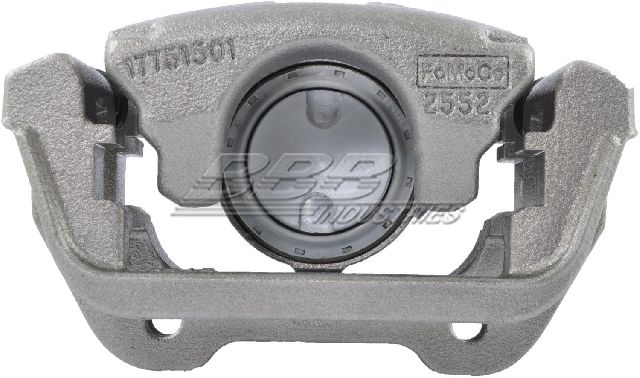
- Economy (Remanufactured): Brands like BBB Industries and standard (non-coated) Cardone calipers are functional and affordable. They are a good choice for those on a tight budget, but their finish may not resist corrosion as well as premium options.
Estimated Replacement Costs
The cost can vary significantly based on the brand you choose and whether you do the work yourself or go to a shop.
| Item | Estimated Cost |
|---|---|
| New Aftermarket Caliper (Single) | $68 - $423 |
| New OEM (Motorcraft) Caliper (Single) | $150 - $400+ |
| Shop Labor (Per Caliper) | $150 - $250 |
| Total Professional Replacement (Single, Aftermarket) | $320 - $670+ |
Frequently Asked Questions
Do I need to replace my calipers when I do a brake job?
Not necessarily. Calipers are designed to last a long time, often over 100,000 miles. You only need to replace them if they are showing signs of failure like sticking, leaking, or if a piston is seized and cannot be retracted.
What's the difference between a new and a remanufactured caliper?
A new caliper is 100% new from the casting to the seals. A remanufactured caliper uses the original caliper housing (the core), which is cleaned, inspected, and rebuilt with all-new seals, boots, and often a new piston. A quality remanufactured caliper can perform just as well as a new one and is a cost-effective, environmentally friendly option.
Can I replace just one brake caliper?
While you can, it's strongly recommended to replace them in pairs on the same axle (both front or both rear). The other caliper has been subjected to the same wear and conditions and may fail soon. Replacing them in pairs ensures balanced braking power and predictable performance.
Is replacing a Ford Explorer caliper a DIY job?
Yes, for a moderately skilled DIYer, this is a manageable job. It requires proper safety equipment like jack stands. The most critical part of the job is bleeding the brakes correctly after installation to remove all air from the brake lines. For rear calipers, you may also need to put the electronic parking brake into a special service mode before starting.
Technical Specifications
OEM Part Numbers: DG1Z-2B121-E DG1Z-2B120-E DG1Z-2553-F DG1Z-2552-E L1MZ-2552-K
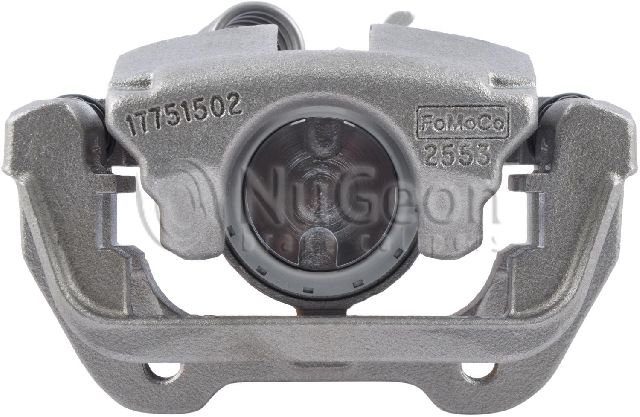
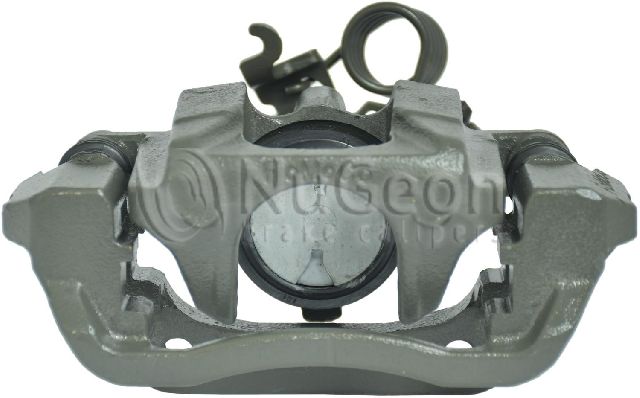
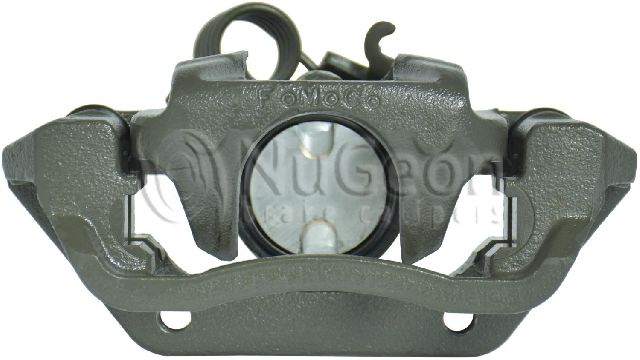
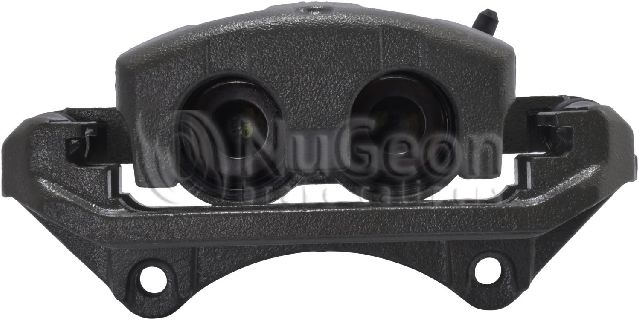
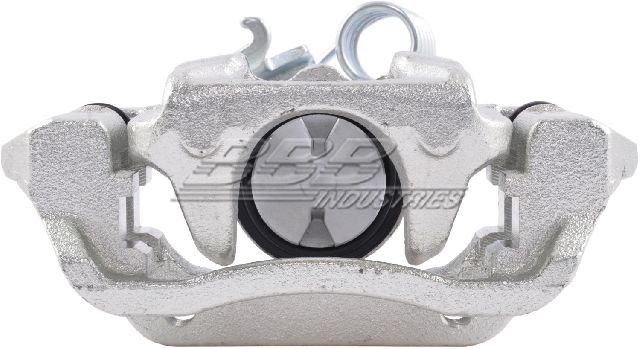
The 2013-2019 Ford Explorer uses a floating caliper design with either single or dual pistons on the front, and a single piston on the rear, which may incorporate the electronic parking brake mechanism. Calipers are typically cast iron. Ensure you select the correct part for front/rear and left/right, and note any differences for Police Interceptor or performance brake packages.
We Have This Part in Stock

The information in this article is provided for general reference and educational purposes only. Vehicle specifications, procedures, and part compatibility can vary by production date, trim level, and region. Always consult your vehicle's factory service manual and verify part numbers before purchasing or performing repairs. Safety-critical components such as airbags, seat belts, and braking systems should be installed by a qualified professional.
- Ford Explorer: