

Ford Explorer HVAC Heater Hose: A Guide for 2013-2019 Models
If you smell coolant in your cabin or see puddles under your Explorer, your heater hose might be the culprit.
- A sweet smell in the cabin is the most common sign of a heater hose or heater core leak.
- Aftermarket hoses from brands like Gates are a cost-effective and reliable alternative to OEM parts, sometimes offering upgraded materials.
- The plastic connectors are a common failure point; be gentle during removal and consider a special tool to avoid breaking them.
- Check for an outstanding recall on your 2016-2019 Explorer for the engine block heater, which can leak coolant and cause a fire.
Is Your Explorer's Heater Hose Failing?

Heater hoses on the 2013-2019 Ford Explorer are made of durable rubber, but they are exposed to constant heat and pressure. Over time, the rubber can degrade, and the plastic connectors can become brittle and crack. This is a common issue that can lead to coolant leaks. Identifying a failing hose early can prevent you from being stranded with an overheating engine.
Symptoms of a Bad Heater Hose

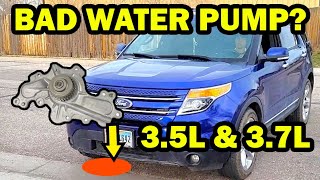
Watch for these common signs of heater hose failure. 🎬 Watch: This video shows you how to diagnose a coolant leak. A small leak can quickly become a big problem.
- Sweet Smell Inside the Cabin: This is often the first and most common symptom. The sweet odor is the smell of engine coolant (antifreeze). You might notice it most when you turn on the heat or defroster. Sometimes, a small leak from a hose in the engine bay drips onto the hot exhaust, creating a steam that gets pulled into the cabin's air intake.
- Visible Coolant Leaks: You may see puddles of green, orange, or pink fluid under your vehicle, typically towards the front or middle. Coolant has a slightly oily feel.
- Wet Passenger Floorboard: If the leak is at the connection to the heater core behind the dashboard, you might find the carpet on the passenger side is damp or soaked with coolant.
- Engine Overheating: A significant coolant leak will cause the engine temperature to rise, which can lead to serious engine damage if not addressed immediately.
- Low Coolant Level: If you frequently have to add coolant to the reservoir, you have a leak somewhere in the system.
Important Recall Information
Ford issued a recall for many 2016-2019 Explorer models related to the optional engine block heater. The block heater itself can crack, leak coolant, and create a fire risk when plugged into an electrical outlet. While this is not a failure of the heater hose, it is a critical cooling system issue. You can check if your vehicle is affected by entering your VIN on the NHTSA website.
Choosing the Right Aftermarket Heater Hose

When replacing a heater hose on your Explorer, you have the choice between OEM (Original Equipment Manufacturer) from a Ford dealer and aftermarket parts.
- OEM: These are the exact same parts your vehicle was built with. However, they often use the same plastic connectors that are known to become brittle and fail over time. They are also typically the most expensive option.
- Aftermarket (Gates): Reputable aftermarket brands like Gates are a reliable choice. Gates is a major manufacturer that supplies parts to many car companies, and their products are considered OEM-quality. Their hoses are engineered to resist electrochemical degradation, which is a primary cause of hose failure. Some aftermarket hose assemblies even offer upgraded components, such as aluminum T-connectors instead of the original plastic ones, for improved durability.
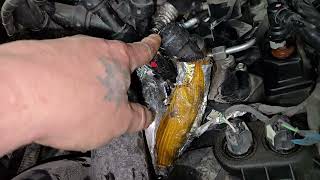
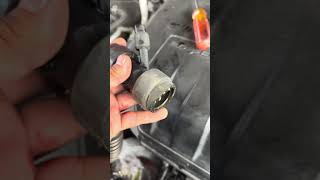
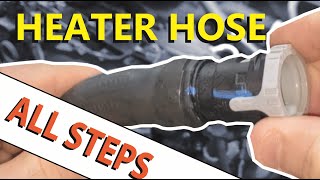
Pro Tip: Many heater hose assemblies for the Explorer use plastic quick-connect fittings. These can become very brittle with age and break during removal. It's wise to inspect the new part to understand how the connectors work before trying to remove the old one. Consider buying a cheap quick-disconnect tool, as it can make the job much easier and prevent breakage.
🎬 Watch: A pro tip for removing those tricky quick-connect fittings.How Much Does a Heater Hose Replacement Cost?
The cost can vary widely based on which hose needs replacing and who does the work. Some hoses are simple, while others are complex assemblies.
| Part/Service | Estimated Cost |
|---|---|
| New Aftermarket Heater Hose | $18 - $88 |
| Shop Labor | $150 - $300 |
| Total Estimated Cost (DIY) | $18 - $88 |
| Total Estimated Cost (At a Shop) | $168 - $388+ |
Note: Costs are estimates and can vary based on your location, the specific hose assembly required, and the repair shop's labor rates. Some complex OEM assemblies can cost significantly more.
Frequently Asked Questions

Can I replace the heater hose myself? 🎬 See this walkthrough on how to replace a 2013 Explorer hose.
Yes, this is a DIY-feasible job for someone with moderate mechanical skill. The main challenges are accessing the hose clamps and dealing with the potentially brittle quick-connect fittings. You will need tools like pliers or a hose clamp tool, a catch pan for coolant, and potentially a quick-disconnect tool. After the replacement, you must properly refill and bleed the air from the cooling system.
Should I replace the hose clamps too?
Yes. It is highly recommended to replace the hose clamps whenever you install a new hose. Spring clamps lose their tension over time, and using new ones ensures a tight, leak-free seal.
What type of coolant should I use for my 2013-2019 Explorer?
Always use the coolant specified by Ford for your vehicle's year and engine. For this generation of Explorer, it is typically Motorcraft Orange Antifreeze/Coolant. Using the wrong type can cause corrosion and damage to your cooling system. Check your owner's manual to be certain.
My heat isn't working, but I don't see a leak. Could it still be the hose?
While less common, it's possible for a hose to become internally restricted or for the system to be clogged, preventing hot coolant from reaching the heater core. Ford has issued a Technical Service Bulletin (TSB 20-2034) for some vehicles experiencing a lack of heat, which involves a specific flushing procedure. However, a lack of heat is more often caused by a bad thermostat, a faulty blend door actuator, or a clogged heater core.
Helpful Videos
Technical Specifications
OEM Part Numbers: CV6Z-18472-W CV6Z18472T KH-841 KH-726 KM-5160
Hoses are vehicle-specific molded assemblies, often including branches and plastic quick-connect fittings. Material is typically EPDM rubber designed to resist heat and electrochemical degradation, meeting SAE 20R3 or 20R4 standards.
We Have This Part in Stock
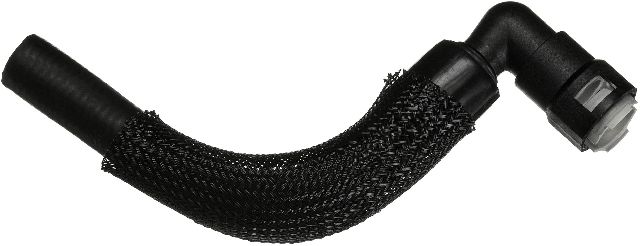

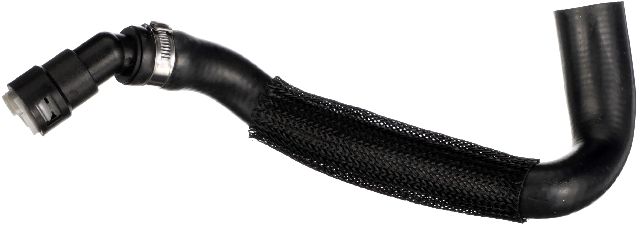

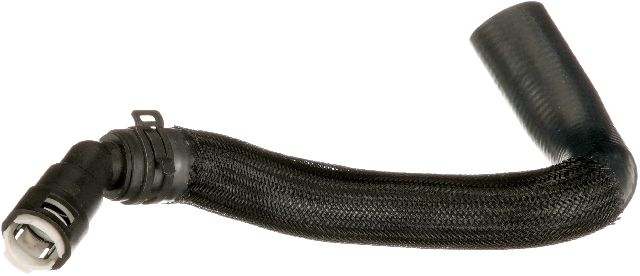

The information in this article is provided for general reference and educational purposes only. Vehicle specifications, procedures, and part compatibility can vary by production date, trim level, and region. Always consult your vehicle's factory service manual and verify part numbers before purchasing or performing repairs. Safety-critical components such as airbags, seat belts, and braking systems should be installed by a qualified professional.
- Ford Explorer: