

Ford Police Interceptor Utility Ignition Coil Guide (2013-2019)
Diagnose and fix engine misfires in your 2013-2019 Police Interceptor Utility by choosing the right ignition coil.
- A flashing check engine light indicates a severe misfire; avoid heavy acceleration to prevent catalytic converter damage.
- Always replace spark plugs when replacing ignition coils to ensure a complete repair and prevent future failures.
- The three rear coils require removing the intake manifold, making the job more labor-intensive than the front three.
- A persistent misfire code (P0351-P0356) after replacing a coil may indicate damage to the engine computer (PCM).
Is Your Ignition Coil Failing?
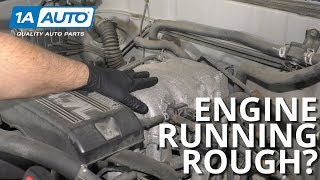
A bad ignition coil on your Police Interceptor Utility will make itself known. Because these engines use a coil for each spark plug, a single failure can cause a noticeable problem. The most common sign is an engine misfire, which feels like a stumble, hesitation, or shaking, especially when you accelerate. You might also notice the engine running rough when you're stopped at a light. A faulty coil will almost always turn on the Check Engine Light.
🎬 Watch: How to diagnose a P0300 misfire codeFlashing Check Engine Light?
If your Check Engine Light is flashing, it signals a severe misfire. This is serious because unburned fuel can be dumped into the exhaust, which can quickly overheat and destroy your catalytic converter—a very expensive repair. If the light is flashing, you should avoid heavy acceleration and have the vehicle serviced as soon as possible.
Choosing the Right Aftermarket Ignition Coil
When replacing a coil, you have options from standard replacements to high-performance upgrades. It's important to know that for the 3.7L V6 engine, the three rear coils are located under the upper intake manifold, 🎬 See how to remove the intake manifold for rear access making them much more difficult to replace than the three easily accessible front coils. Because of the extra labor involved for the rear bank, choosing a high-quality coil is important to avoid doing the job twice.
Brand Quality Tiers
- OEM-Equivalent Brands (Recommended): These brands are known for manufacturing parts that meet or exceed original factory specifications. They are the safest choice for reliability and longevity. Denso is a known OEM supplier for many Ford parts and is an excellent choice. Hella is another reputable brand known for quality electronics.
- Performance Brands: Brands like MSD, Accel, and Granatelli market their coils as upgrades that provide a "hotter" or more powerful spark. While they may offer benefits on highly modified engines, reviews for daily-driven vehicles are mixed. Some users report premature failures or find no noticeable difference compared to OEM coils. These are often more expensive and may not provide value for a stock or lightly modified vehicle.
- Standard/Economy Brands: Brands like Prenco and Karlyn STI fall into the standard replacement category. They are designed to be a cost-effective solution to get the vehicle back on the road. They may not have the same long-term durability as OEM-equivalent options, making them a better choice for the easily accessible front coils if budget is the primary concern.
Pro Tip: Replace Spark Plugs and Consider a Full Set
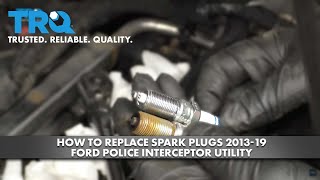
It is highly recommended to replace the spark plugs at the same time 🎬 Watch: Step-by-step guide to replacing your spark plugs you replace the ignition coils. Worn spark plugs can strain the coils, causing them to fail prematurely. If your vehicle has high mileage and one original coil has failed, the others are likely near the end of their service life. Replacing all six at once, especially given the labor to access the rear bank, can save you time and money in the long run.
Known Issues for This Vehicle
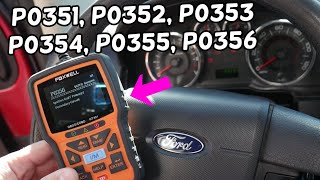
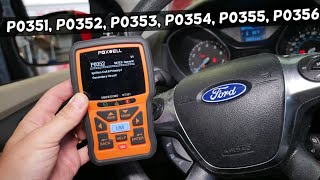
A significant issue to be aware of is that a failed ignition coil can sometimes send a voltage spike back to the Powertrain Control Module (PCM), damaging the internal driver circuit for that coil. This often results in a specific trouble code between P0351 and P0356. If you replace a coil and the misfire on that cylinder persists with one of these codes, the PCM may require professional repair or replacement. No recalls specifically for ignition coils were found for the 2013-2019 model years.
Cost to Replace Ignition Coils
| Part Type | Price Range (Single Coil) | Price Range (Set of 6) |
|---|---|---|
| New Aftermarket (Standard) | $40 - $75 | $180 - $350 |
| New Aftermarket (Performance) | $55 - $100+ | $300 - $570+ |
| Shop Labor | $75 - $150 (front bank only) / $250 - $450+ (all six) | |
Note: Prices are estimates and can vary based on brand, location, and the specific repair shop. Labor for replacing all six coils is higher due to the need to remove the intake manifold to access the rear bank.
Frequently Asked Questions
Do I have to replace all six ignition coils at once?
You don't have to, but it is often recommended, especially on higher-mileage vehicles. Coils are wear items, and when one fails, others may soon follow. Given the significant labor required to access the three rear coils, replacing them all proactively can prevent a repeat repair job down the road.
What is the difference between a $40 coil and a $100 coil?
The price difference usually comes down to brand reputation, internal materials, and engineering. A $100 coil from a brand like MSD or Granatelli is marketed as a high-performance part with claims of higher voltage output. A $40 coil is a standard replacement designed to meet basic factory function. For a daily-driven vehicle without other performance modifications, a quality OEM-equivalent coil is often the most reliable and cost-effective choice.
Is replacing the ignition coils a DIY job?
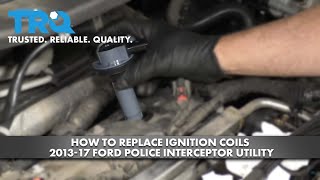
Replacing the three front coils is a very easy DIY job that requires basic tools and can be done in under 30 minutes. However, replacing the three rear coils is more complex because it requires removing the upper intake manifold. While still possible for an experienced DIYer, it involves more steps and potential for error.
What are the diagnostic codes for a bad ignition coil?
A misfire will trigger codes P0301, P0302, P0303, P0304, P0305, or P0306, with the last digit indicating the misfiring cylinder. A P0300 code means random or multiple cylinders are misfiring. Codes P0351 through P0356 point more specifically to a fault in the ignition coil's electrical circuit, which can also indicate a problem with the wiring or the PCM.
Helpful Videos

Technical Specifications
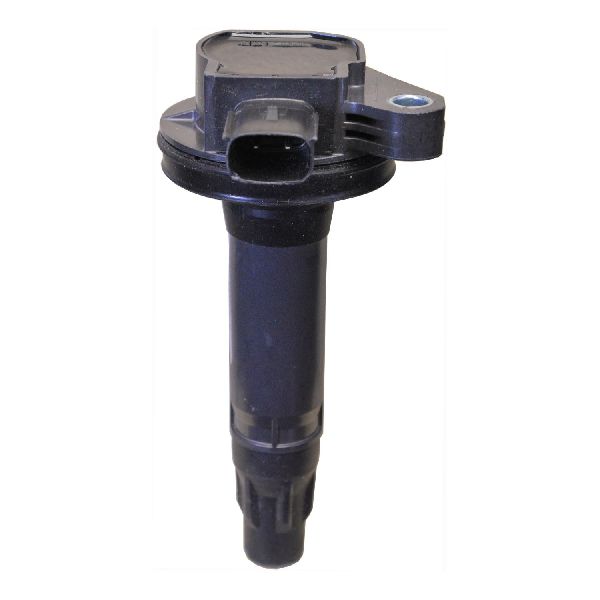
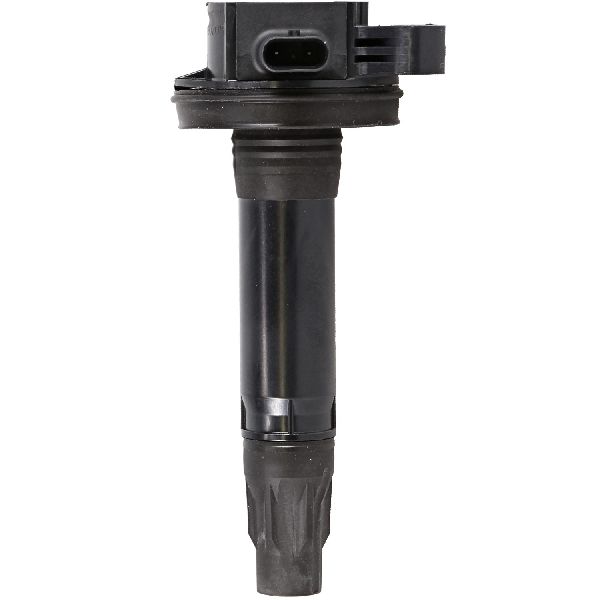
OEM Part Numbers: DG549 CYFS-12Y-2 7T4Z-12029-E AA5Z-12029-B
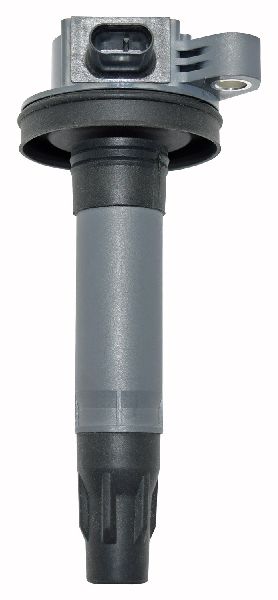
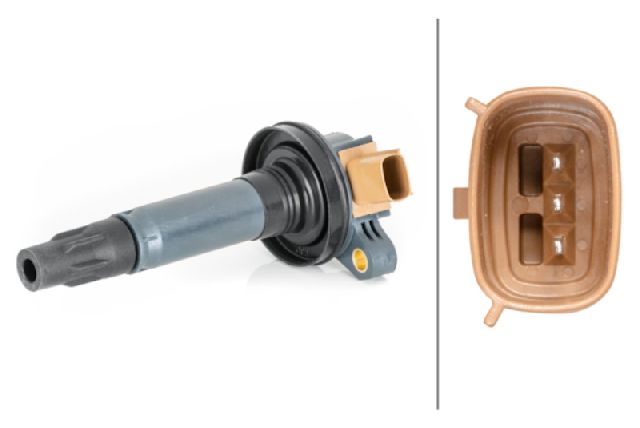
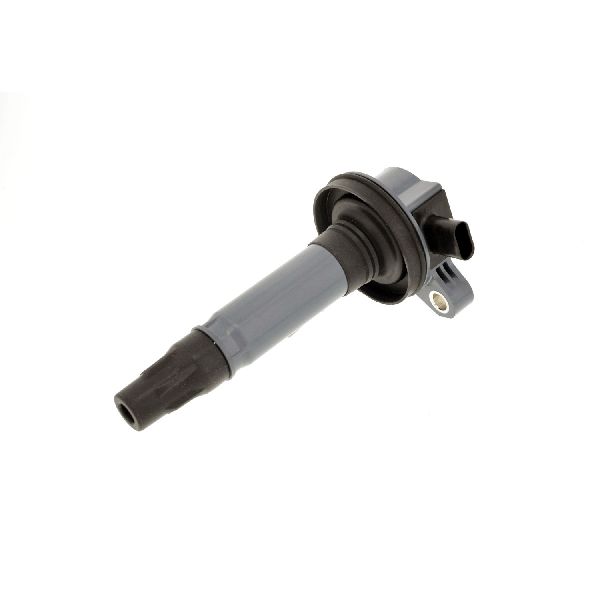
This is a Coil-on-Plug (COP) direct ignition system. The engine uses six individual coils, one for each cylinder of the 3.7L DOHC V6 engine.
We Have This Part in Stock

The information in this article is provided for general reference and educational purposes only. Vehicle specifications, procedures, and part compatibility can vary by production date, trim level, and region. Always consult your vehicle's factory service manual and verify part numbers before purchasing or performing repairs. Safety-critical components such as airbags, seat belts, and braking systems should be installed by a qualified professional.
- Ford Police Interceptor Utility:
- 🎬 Helpful Videos
- 🛍️ Shop This Part
- Is Your Ignition Coil Failing?
- Flashing Check Engine Light?
- Choosing the Right Aftermarket Ignition Coil
- Brand Quality Tiers
- Pro Tip: Replace Spark Plugs and Consider a Full Set
- Known Issues for This Vehicle
- Cost to Replace Ignition Coils
- Frequently Asked Questions
- 🎟️ Get 5% Off