

Kenworth T680 Turbocharger Boost Sensor Guide for 2013-2019 Models
Experiencing low power or poor fuel economy in your T680? Your turbo boost sensor could be the problem.
- A failing boost sensor on a T680 typically causes power loss, a check engine light, and poor fuel economy.
- Common fault codes are P0237 (circuit low) and P0238 (circuit high).
- Replacement is simple and can be done in under 30 minutes with basic tools.
- Before buying a new sensor, always check the wiring and connector for damage, and clean the existing sensor of any soot.
Is Your T680 Boost Sensor Failing?
A failing turbo boost sensor can cause a range of noticeable problems. Because this sensor directly impacts how the engine controls the turbo and fuel, symptoms often appear as poor engine performance. If your truck's ECM detects a signal from the sensor that is too high or too low, it may trigger a check engine light and store a fault code.
Common Symptoms of a Bad Boost Sensor:
- Loss of Power: The truck may feel sluggish, especially under load, as the ECM might limit turbo boost to protect the engine.
- Check Engine Light: A constant or flashing check engine light is a primary indicator.
- Poor Fuel Economy: Incorrect boost readings lead to inefficient fuel combustion, making you stop for fuel more often.
- Engine Derate or "Limp Mode": The ECM may severely limit engine power and speed to prevent potential damage from an overboost or underboost condition. 🎬 Watch: How sensor failure causes engine derate and low power
- Excessive Black Smoke: An improper air-fuel mixture caused by a bad sensor can result in black smoke from the exhaust.
Choosing the Right Aftermarket Boost Sensor
When replacing the turbo boost sensor on your T680, you have options outside of the expensive OEM part from the dealer. However, quality can vary between aftermarket brands.
Brand Quality Tiers
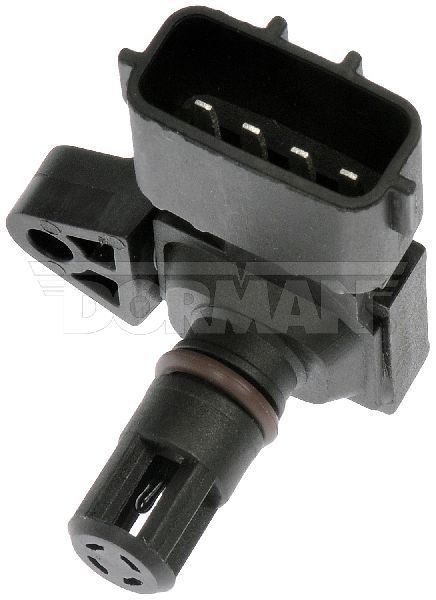
- Premium Aftermarket (e.g., Dorman): Dorman is a well-known brand that produces a wide range of aftermarket parts. For sensors, their quality can be a good alternative to OEM, and sometimes they even improve on the original design. However, forum discussions show mixed experiences; some mechanics trust them for non-critical parts, while others prefer OEM for anything engine-related due to occasional fitment or quality issues. For a critical sensor like this, a Dorman part is a viable, cost-effective choice but inspect the part before installation.
- Standard Aftermarket (e.g., Global Parts, Replacement): These brands represent the most budget-friendly options. "Replacement" is often a generic term for parts that may be identical to other store brands. While the low price is appealing, the quality control may not be as rigorous as premium brands or OEM. These sensors can be a gamble; they might work perfectly, or they could fail prematurely. They are best suited for owners on a tight budget who are willing to accept the risk.
Cost Comparison for Kenworth T680 Boost Sensor
The cost can vary significantly between the dealer, an independent shop, and doing it yourself. Here are some estimated costs:
| Part Source | Estimated Part Cost |
|---|---|
| New OEM (Dealer) | $200 - $300+ |
| New Aftermarket | $25.44 - $149.79 |
| Shop Labor | $100 - $200 |
Frequently Asked Questions
Where is the turbo boost sensor located on a Kenworth T680?
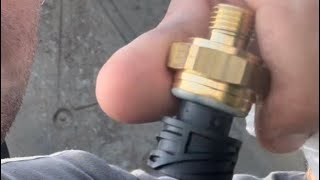
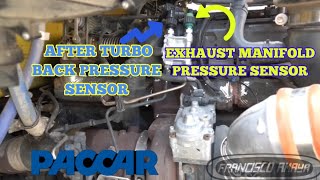
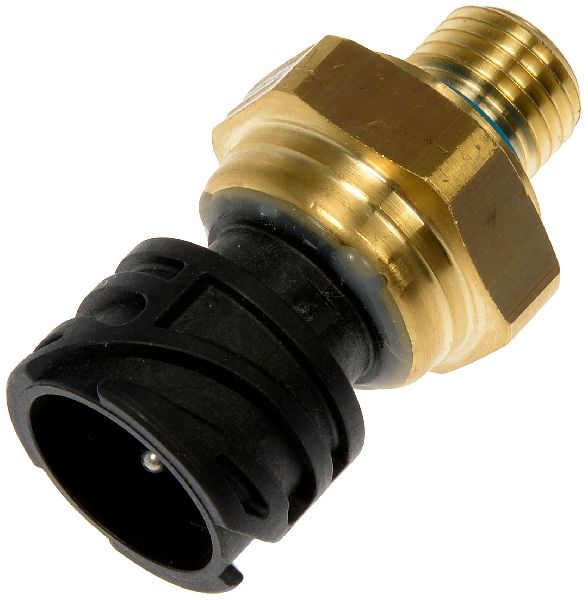
On the PACCAR MX-13 engine, commonly found in the 2013-2019 T680, the boost pressure sensor (labeled F802) is typically located on the driver's side of the engine, mounted to the intake manifold. 🎬 Watch: Locate and replace the intake manifold boost sensor It's a small sensor held in by one or two bolts with an electrical connector attached. Always consult a service manual for your specific engine configuration to be certain.
Can I replace the boost sensor myself?
Yes, this is a DIY-friendly job for most truck owners with basic tools. The sensor is usually easy to access. The process involves disconnecting the battery, unplugging the electrical connector, removing one or two small bolts (often 8mm), and swapping the old sensor for the new one. The entire job should take less than 30 minutes.
Are there any recalls for the T680 boost sensor?
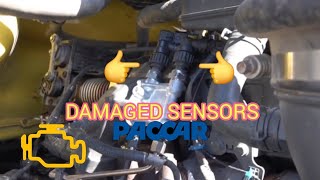
As of late 2023, there are no specific NHTSA recalls for the turbocharger boost sensor on the 2013-2019 Kenworth T680. However, PACCAR has issued technical service bulletins (TSBs) related to aftertreatment system sensors, like the DPF pressure sensor, which can cause similar symptoms. For example, bulletin E213A addresses issues with DPF pressure sensors on MX-13 engines. Always check for the latest TSBs with your dealer.
What do fault codes P0237 and P0238 mean? 🎬 See this breakdown of common boost sensor error codes
These are common codes related to a failing boost sensor. P0237 (Turbocharger/Supercharger Boost Sensor 'A' Circuit Low) means the ECM has detected a voltage signal from the sensor that is below the normal range, suggesting a short to ground or a faulty sensor. P0238 (Turbocharger/Supercharger Boost Sensor 'A' Circuit High) means the signal voltage is above the normal range, indicating a short to power or an internal sensor failure. Both codes will likely trigger a check engine light and cause performance issues.
Helpful Videos
Technical Specifications
OEM Part Numbers: 2872784 4921324 2897334 2126981PE
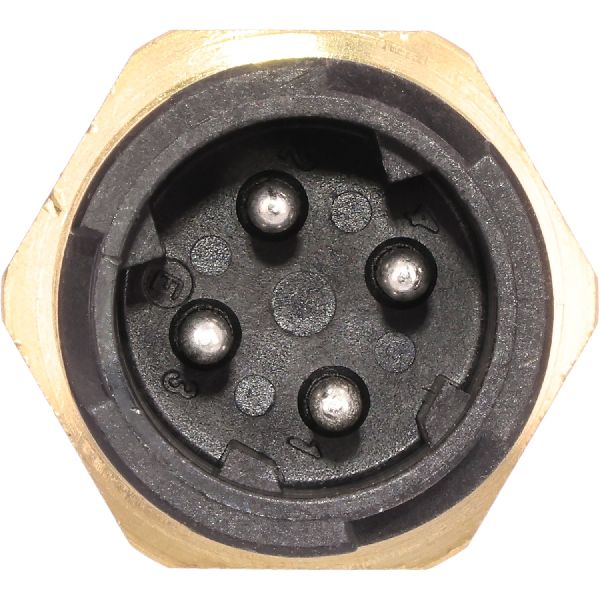
4-prong male terminal, bolt-on mount.
We Have This Part in Stock

The information in this article is provided for general reference and educational purposes only. Vehicle specifications, procedures, and part compatibility can vary by production date, trim level, and region. Always consult your vehicle's factory service manual and verify part numbers before purchasing or performing repairs. Safety-critical components such as airbags, seat belts, and braking systems should be installed by a qualified professional.
- Kenworth T680: