

Lexus GS300 Oxygen Sensor Guide for the 2018-2019 Models
Fix your check engine light and restore your Lexus's performance by choosing the right oxygen sensor.
- This guide is for the 2018-2019 GS300 with the 2.0L 4-cylinder engine, not the V6 GS350.
- For best results and to avoid compatibility issues, use an OEM brand sensor like Denso or a high-quality equivalent like NGK/NTK.
- Ignoring a bad oxygen sensor can lead to very expensive catalytic converter damage.
- DIY replacement is possible but requires an O2 sensor-specific socket and potentially removing interior trim to access the connector.
Is Your Part for a GS300 or GS350?
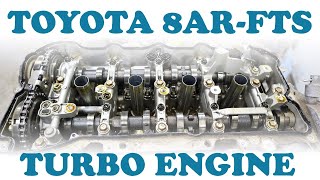
Before you buy, it's important to know that this guide is specifically for the 2018-2019 Lexus GS300, which has a 2.0L 4-cylinder turbocharged engine (8AR-FTS). 🎬 Watch: A detailed teardown of the 8AR-FTS turbocharged engine. This model was called the GS200t in 2016-2017. If you have a GS350 from 2013-2019, you have a V6 engine that uses different oxygen sensors. Always confirm your engine type before ordering.
Symptoms of a Failing Oxygen Sensor
When an oxygen sensor starts to fail, your Lexus will give you clear signs. The most obvious symptom is a Check Engine Light on your dashboard. You may also notice a significant drop in fuel economy, a rough idle, or general engine hesitation. In some cases, you might smell a 'rotten egg' odor from the exhaust, which can indicate a rich fuel mixture that could eventually damage your expensive catalytic converter.
Known Issues, Recalls, and TSBs
As of early 2026, there are no specific recalls or technical service bulletins (TSBs) from Lexus or the NHTSA for failing oxygen sensors on the 2018-2019 GS300. Searches do show a prominent recall for a faulty fuel pump on these models, which can cause stalling but is unrelated to the O2 sensors.
Choosing the Right Aftermarket Sensor: Brand Tiers
When it comes to sensors for a Lexus, brand choice matters. Using a low-quality part can lead to persistent check engine lights and performance issues. For best results, stick to brands with a proven track record.
- Tier 1 (OEM & Equivalent): Denso, NGK/NTK
Denso is the Original Equipment Manufacturer (OEM) for Lexus, meaning they made the sensor that was installed at the factory. Choosing a Denso aftermarket sensor is the closest you can get to the genuine Lexus part without the dealership price tag. NGK (also sold under the NTK brand) is another top-tier Japanese manufacturer that is highly trusted by professional mechanics for its quality and reliability on Japanese vehicles. - Tier 2 (Value Option): Walker Products
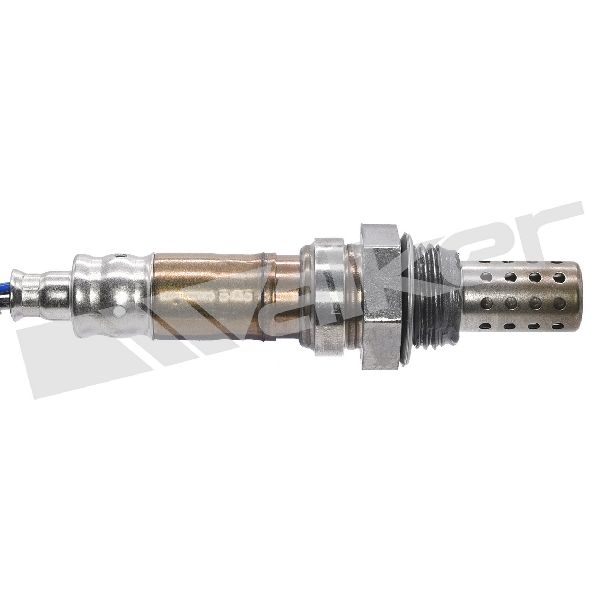
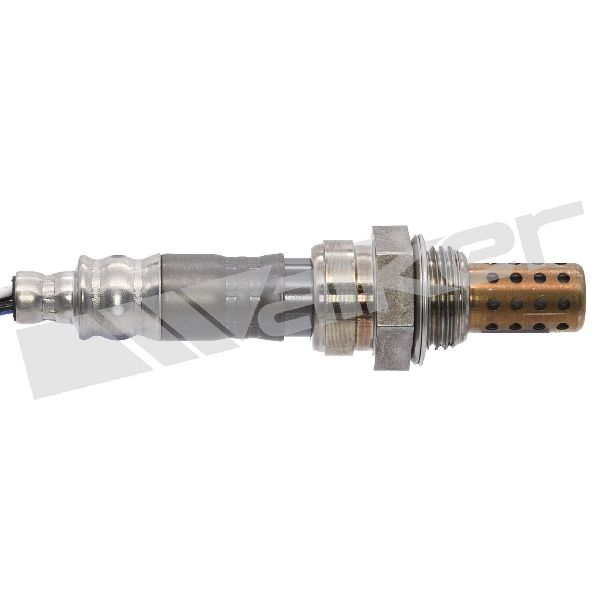
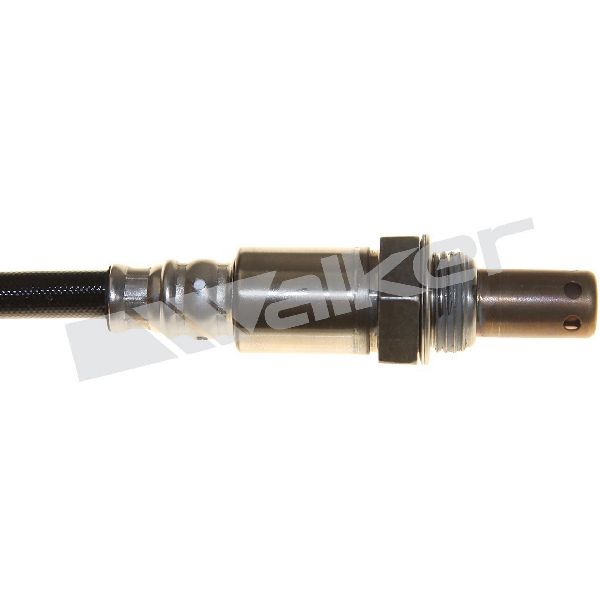
Walker is a well-known aftermarket exhaust and emissions parts company. Their sensors are a budget-friendly alternative. While some users report good experiences, they are not typically considered OEM-equivalent in the same way as Denso or NGK. For a precision vehicle like a Lexus, it is generally recommended to spend a little more on an OEM-spec brand to avoid potential compatibility problems.
Pro Tip: Upstream vs. Downstream
Your GS300 has two primary oxygen sensors: an upstream (Bank 1, Sensor 1) and a downstream (Bank 1, Sensor 2). The upstream sensor is an Air/Fuel Ratio sensor and is more expensive and critical for performance. The downstream sensor monitors the catalytic converter. They are not interchangeable. Always verify which sensor your trouble code indicates before purchasing.
Cost of Replacing a Lexus GS300 Oxygen Sensor
| Part/Service | Estimated Cost |
|---|---|
| New OEM Sensor (Dealership) | $220 - $350 |
| New Aftermarket Sensor | $77.96 - $157.73 |
| Shop Labor Cost | $120 - $180 |
| Total DIY Cost (Aftermarket) | $77.96 - $157.73 |
| Total Shop Cost (Aftermarket) | $198 - $338 |
Frequently Asked Questions (FAQ)
How many oxygen sensors does my 2018-2019 GS300 have?
The 2.0L 4-cylinder engine in the GS300 has one engine bank, so it uses two primary oxygen sensors: one upstream (before the catalytic converter) and one downstream (after the catalytic converter).
What's the difference between an upstream and downstream sensor?
The upstream sensor (Sensor 1) is an Air/Fuel Ratio sensor that provides real-time data for the engine to adjust its fuel mixture. The downstream sensor (Sensor 2) is a standard O2 sensor that monitors the efficiency of the catalytic converter. They have different functions and part numbers.
Can I just clean my old oxygen sensor?
No. While some online sources suggest cleaning, it is not a reliable or recommended repair. The sensing element becomes contaminated internally over time, and cleaning the exterior will not restore its proper function. Replacement is the only correct solution for a failed sensor.
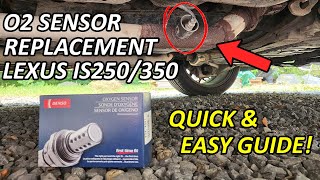
🎬 See this step-by-step guide on how to replace an oxygen sensor.What happens if I don't replace a bad O2 sensor?
Ignoring a bad O2 sensor will cause your engine to run inefficiently, leading to poor gas mileage and higher emissions. More seriously, it can cause the engine to run too rich, which can overheat and destroy the catalytic converter—a much more expensive repair.
Helpful Videos


Technical Specifications
OEM Part Numbers: 89465-30820 89465-50150
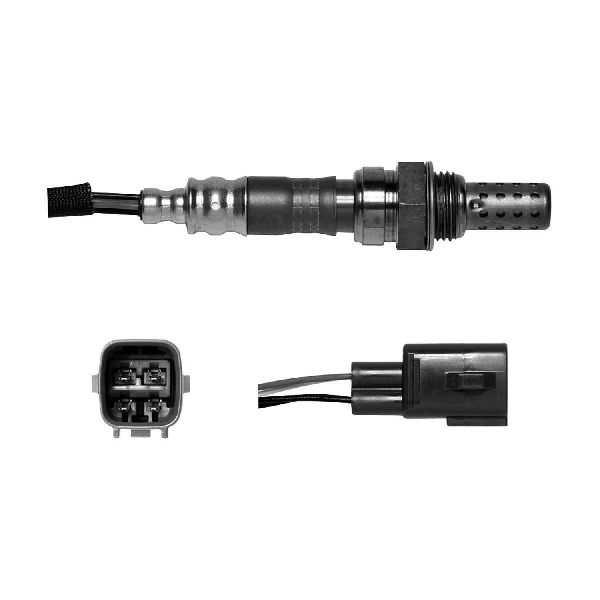
The 2018-2019 GS300 uses a 4-wire, heated oxygen sensor. The upstream sensor is a wideband Air/Fuel Ratio type, while the downstream is a standard zirconia type. Connectors are model-specific.
We Have This Part in Stock

The information in this article is provided for general reference and educational purposes only. Vehicle specifications, procedures, and part compatibility can vary by production date, trim level, and region. Always consult your vehicle's factory service manual and verify part numbers before purchasing or performing repairs. Safety-critical components such as airbags, seat belts, and braking systems should be installed by a qualified professional.
- Lexus GS300:
- 🎬 Helpful Videos
- 🛍️ Shop This Part
- Is Your Part for a GS300 or GS350?
- Symptoms of a Failing Oxygen Sensor
- Known Issues, Recalls, and TSBs
- Choosing the Right Aftermarket Sensor: Brand Tiers
- Pro Tip: Upstream vs. Downstream
- Cost of Replacing a Lexus GS300 Oxygen Sensor
- Frequently Asked Questions (FAQ)
- 🎟️ Get 5% Off