

Lexus GS300 Radiator: A Replacement Guide for 2013-2019 Models
Keep your turbocharged GS300's engine from overheating by understanding when and how to replace a failing radiator.
- This guide is for the 2.0L Turbo GS300 (2018-2019) and GS200t (2016-2017), not the V6 GS350.
- The most common failure is a leak where the plastic side tanks meet the aluminum core, identified by pink crusty residue.
- Denso is an OEM-supplier brand, offering a near-identical part to the original without the dealership markup.
- Driving with an overheating engine can cause catastrophic damage; do not drive if the temperature gauge is in the red.
Is Your Radiator Failing? Common Symptoms
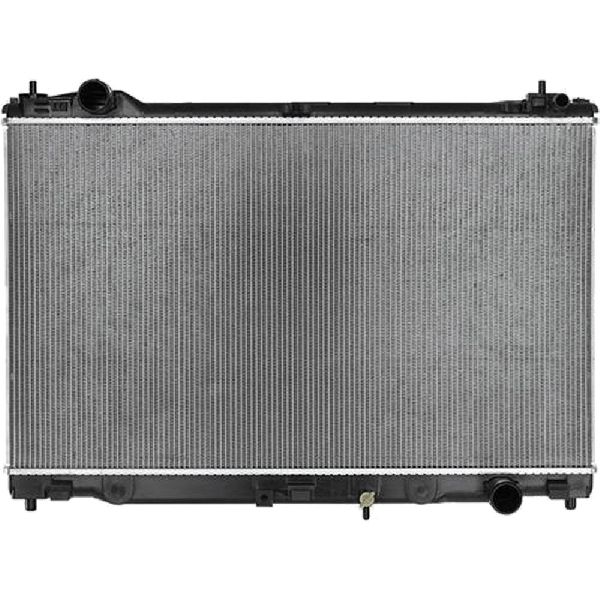
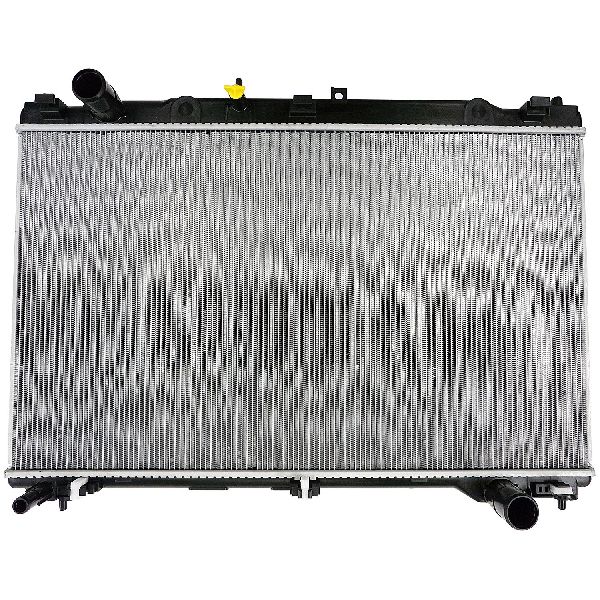
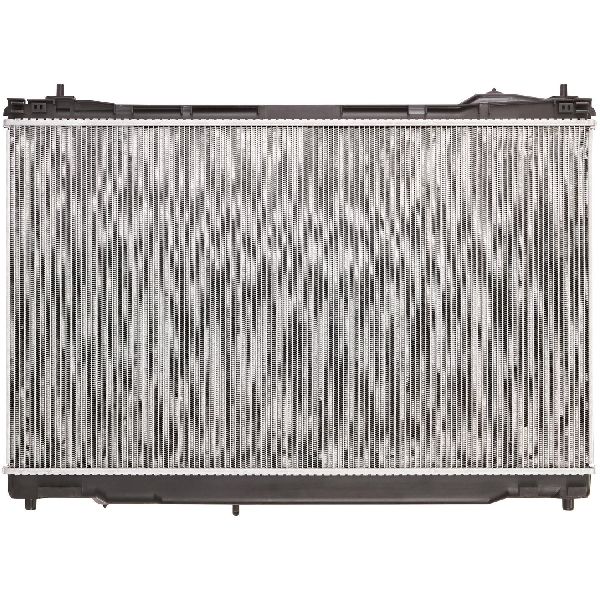
A faulty radiator can cause serious engine problems if ignored. For the 2013-2019 Lexus GS300 (and the mechanically similar 2016-2017 GS200t), the signs of a failing radiator are hard to miss. The most common issues are coolant leaks and overheating. You might notice a sweet smell after driving, which is burning coolant. Look for pink, crusty residue on or below the radiator; this is dried Lexus "Super Long Life Coolant" and a sure sign of a leak. Often, these leaks happen where the plastic side tanks are crimped onto the aluminum core.
Vehicle Model Note
The "GS300" name was used on models from 2018-2019 equipped with a 2.0L turbo 4-cylinder engine. These are mechanically the same as the 2016-2017 "GS200t". This guide applies to both of these turbo models, not the V6-powered GS350.
Choosing a New Aftermarket Radiator
When your original radiator fails, you have a choice between an OEM (Original Equipment Manufacturer) part from Lexus and an aftermarket part. While OEM offers a guaranteed fit, aftermarket radiators can provide similar quality for a much lower price.
- Top Tier (OEM Supplier): Denso
Denso is a well-known OEM for Toyota and Lexus. Choosing a Denso radiator is the closest you can get to the original part without the dealership price tag. They are known for excellent fitment and quality, often being identical to the part your car came with from the factory. - Good Quality: Spectra
Spectra is a popular aftermarket brand that generally offers good value. While some negative reviews exist for specific applications, many users report good experiences with fit and function, making them a solid budget-friendly choice. 🎬 Watch this critical review before buying a Spectra radiator.
- Other Options: Global Parts, One Stop Solutions (OSC)
Brands like OSC (One Stop Solutions) and GPD (Global Parts Distributors) are also available. They are typically value-oriented options that meet standard replacement needs.
Cost of Radiator Replacement: 2013-2019 Lexus GS300
| Part/Service | Estimated Cost |
|---|---|
| New OEM Radiator (Part Only) | $320 - $460 |
| New Aftermarket Radiator (Part Only) | $153 - $234 |
| Shop Labor | $216 - $316 |
| Total Aftermarket Replacement (Parts + Labor) | $369 - $550 |
| Total OEM Replacement (Parts + Labor) | $536 - $776 |
Pro Tip: While replacing the radiator, it's a good idea to also replace the upper and lower radiator hoses and the thermostat. These parts are relatively inexpensive and are exposed to the same heat and wear cycles.
Frequently Asked Questions
Are there any recalls for the radiator on my Lexus GS300?
No, there are no specific recalls for the radiator on the 2013-2019 Lexus GS300 or GS200t models. Searches of the National Highway Traffic Safety Administration (NHTSA) database show no recalls related to the radiator or cooling system leaks for this specific vehicle and year range.
What causes the radiator to fail?
Most radiator failures are due to age and mileage. The plastic end tanks can become brittle from thousands of heat cycles and develop hairline cracks. Leaks can also form at the seams where the plastic tanks are joined to the aluminum core. Road debris can also cause physical damage to the fins or core, leading to leaks.
Can I replace the radiator myself?
Yes, for a mechanically experienced person, replacing the radiator is a manageable DIY job. It involves draining the coolant, disconnecting hoses and fan electrical connectors, unbolting the radiator, and swapping the fan shroud to the new unit. However, you must properly refill and bleed the air out of the cooling system afterward to prevent overheating.
🎬 Follow this step-by-step DIY guide for replacing a GS300 radiator.What kind of coolant should I use?
You must use Toyota Super Long Life Coolant (pink) or a compatible Asian vehicle pink/red coolant. Using the wrong type of coolant can lead to corrosion and damage to the cooling system. Always mix concentrated coolant with distilled water, not tap water.
🎬 See how to properly drain and refill your Lexus coolant.Helpful Videos

Technical Specifications
OEM Part Numbers: 16400-36200
Applies to 2018-2019 Lexus GS300 and 2016-2017 Lexus GS200t with the 2.0L 4-cylinder turbo (8AR-FTS) engine. Core material is typically aluminum with plastic tanks.
We Have This Part in Stock


The information in this article is provided for general reference and educational purposes only. Vehicle specifications, procedures, and part compatibility can vary by production date, trim level, and region. Always consult your vehicle's factory service manual and verify part numbers before purchasing or performing repairs. Safety-critical components such as airbags, seat belts, and braking systems should be installed by a qualified professional.
- Lexus GS300: