

A Guide to Replacing the Alternator on Your 2013-2020 Honda CR-V
Find the right new aftermarket alternator to keep your CR-V's electrical system healthy and reliable.
- You must verify your engine (2.4L or 1.5L Turbo) to order the correct alternator.
- Denso is the Original Equipment Manufacturer (OEM) and is the recommended brand for reliability.
- Replacement is difficult due to tight space; it is not recommended for beginner DIYers.
- Check for oil leaks from above the alternator, as this is a common cause of premature failure.
Is This The Right Alternator For My CR-V?

Before you buy, it is critical to know which engine your CR-V has. The 2013-2020 model years span two different generations with two primary engines, and they use different alternators.
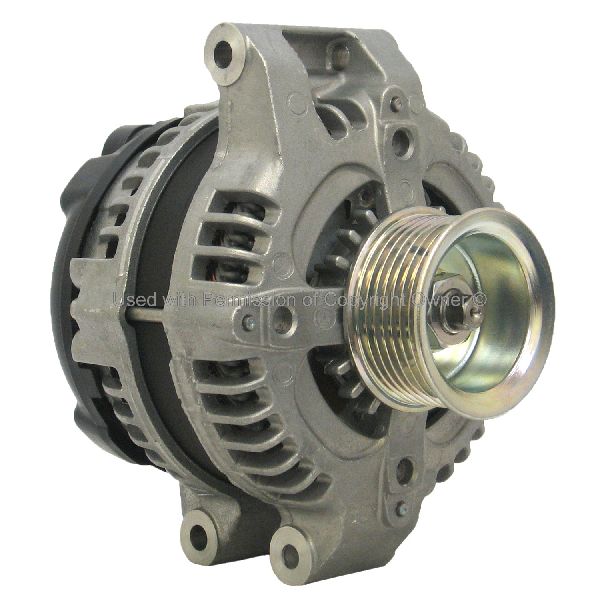
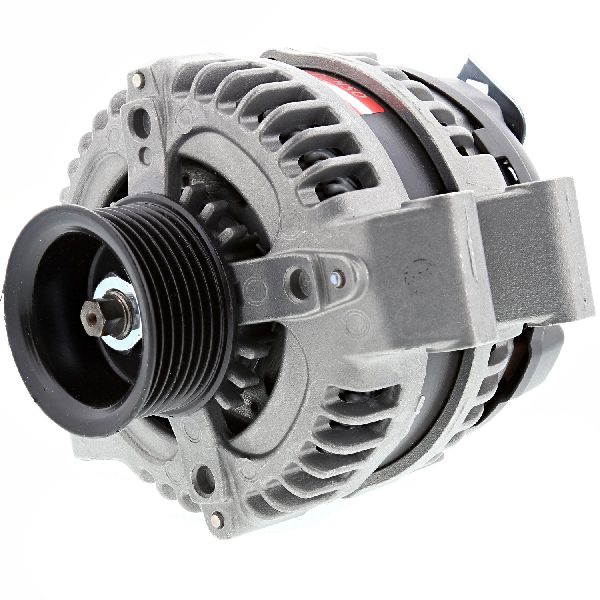
- 2013-2016 Honda CR-V (2.4L Engine): These models typically use a 105-amp or 120-amp alternator.
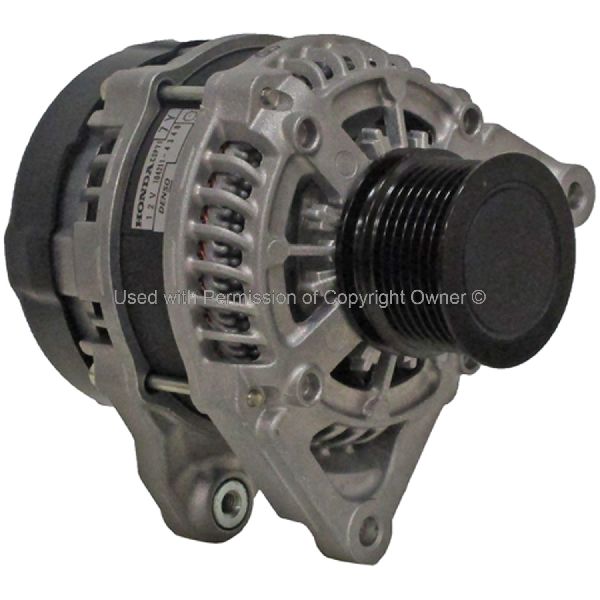
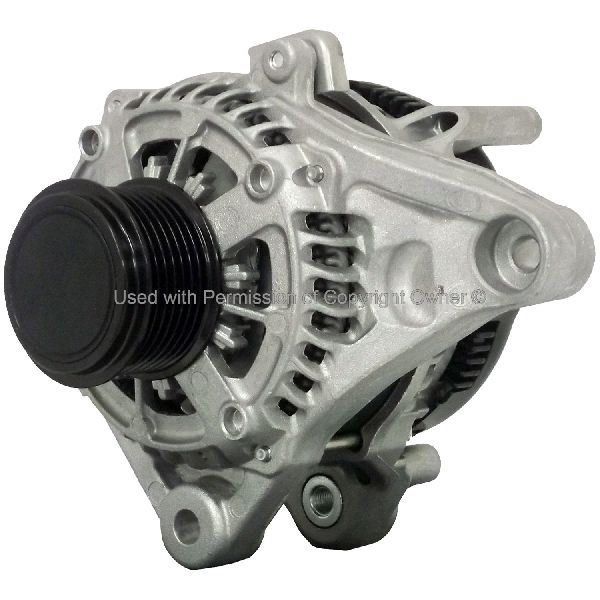
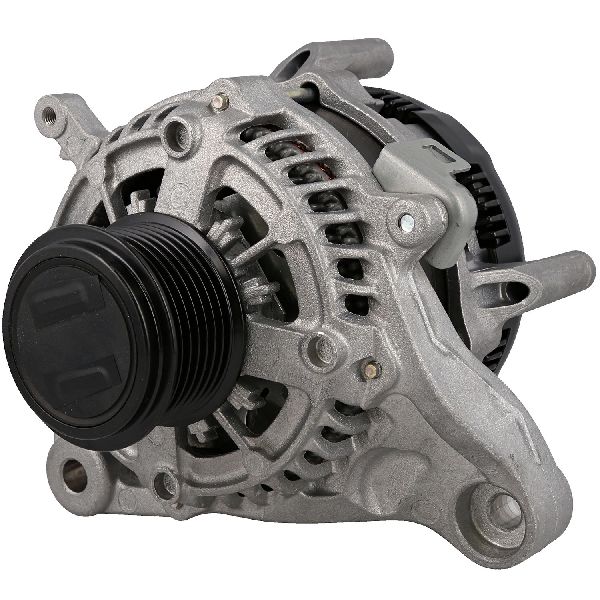
- 2017-2020 Honda CR-V (1.5L Turbo Engine): These models are generally equipped with a higher-output 135-amp alternator that features a decoupler pulley for smoother operation.
Ordering Mistake: Always verify your engine size before ordering. Installing the wrong alternator will lead to fitment issues, incorrect charging, and potential damage to your vehicle's electrical system.
Signs of a Failing Honda CR-V Alternator

When your alternator starts to fail, your CR-V will give you several warning signs. Ignoring them can leave you stranded when the battery's reserve power runs out.
- Battery Warning Light: The most obvious sign is the battery-shaped warning light on your dashboard. This indicates a problem in the charging system.
- Dimming or Flickering Lights: You may notice your headlights and interior lights flicker or dim, especially when the engine is at idle. They might brighten when you rev the engine.
- Whining or Grinding Noises: A high-pitched whine that changes with engine speed often points to worn-out bearings inside the alternator. A grinding sound can also indicate a bad bearing.
- Electrical Problems: Seemingly random issues, like slow power windows or a stereo that cuts out, can happen when the alternator can't provide consistent power.
- Stalling or Difficulty Starting: A weak alternator can't keep the battery fully charged, leading to starting problems. In some cases, it can cause the engine to stall while driving because there isn't enough power for the spark plugs.
Some modern Hondas use a computer-controlled charging system that may show a low voltage (around 12.4-12.6V) at idle with no accessories on. Before assuming the alternator is bad, turn on the headlights, A/C, and radio. A healthy alternator's output should jump to around 14.2V or higher under load.
🎬 Watch: How to test your alternator's output at home.Choosing the Right Aftermarket Alternator Brand

When replacing your alternator, you have several options. For a daily-driven vehicle like the CR-V, choosing a quality brand is important to avoid doing the job twice.
Tier 1: OEM & Premium Aftermarket
- Denso: Denso is the original equipment manufacturer (OEM) for many Honda parts, including the alternator. Choosing a new or remanufactured Denso alternator is the closest you can get to factory quality and is highly recommended by Honda specialists.
- Bosch: Bosch is a top-tier aftermarket brand known for excellent quality and reliability. Their alternators are built to meet or exceed OEM specifications and are a solid choice if a Denso unit is not available.
Tier 2: Standard Aftermarket
- Remy: Remy is a long-standing brand in the aftermarket that offers reliable replacement parts.
- BBB Industries / MPA (Motorcar Parts of America): These brands provide a wide range of new and remanufactured alternators that offer a good balance of price and performance for the average driver.
For this specific vehicle, sticking with Denso or Bosch is the safest bet for long-term reliability. While value brands can work, forum discussions with CR-V owners often suggest that cheaper aftermarket units have a higher risk of premature failure.
Honda CR-V Alternator Replacement Cost
The cost to replace your alternator depends on the part you choose and who does the work. Below is a general cost estimate for the 2013-2020 Honda CR-V.
| Part Type | Estimated Part Cost |
|---|---|
| New OEM | $580 - $970 |
| Remanufactured OEM | $440 - $640 |
| New Aftermarket | $196 - $441 |
| Shop Labor | $200 - $400 |
Frequently Asked Questions (FAQ)

Is the alternator replacement a DIY job?
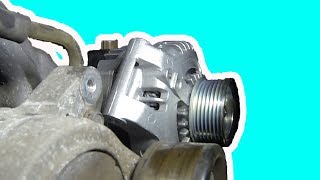
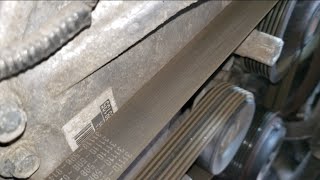
This is a challenging job for a beginner. The alternator is in a very tight space low in the engine bay. Access often requires removing the belt tensioner pulley or other components to create enough room to get the old unit out and the new one in. It is feasible for an experienced DIY mechanic with the right tools, but a novice may find it very frustrating.
🎬 See this step-by-step walkthrough for replacing a CR-V alternator.Are there any recalls on the 2013-2020 CR-V alternator?
Searches of the National Highway Traffic Safety Administration (NHTSA) database and other public records did not show any widespread recalls for alternator failure on the 2013-2020 Honda CR-V. Failures are typically due to normal wear over time, often after 100,000 miles, or from oil leaking onto the alternator from a bad valve cover gasket.
Should I buy a new or remanufactured alternator?
Both new and remanufactured units from a quality brand like Denso or Bosch can be reliable. A new unit has all-new components, while a remanufactured unit has been rebuilt to factory specs with worn parts replaced. A remanufactured alternator from a top brand is often a better choice than a new alternator from a lesser-known, budget brand.
What is an alternator decoupler pulley?
The alternator on the 1.5L Turbo engine uses a decoupler pulley. This special pulley allows the alternator to momentarily disengage from the belt during rapid engine decelerations. This reduces vibration and wear on the serpentine belt and tensioner, leading to a longer life for those parts.
Helpful Videos


Technical Specifications
OEM Part Numbers: 31100-RX0-A01 06311-RX0-505RM 31100-5A2-A01 31100-5A2-A02 31100-5PA-A01 31100-5PA-A02
Amperage varies by engine. 2013-2016 2.4L models typically use a 105A or 120A alternator. 2017-2020 1.5L Turbo models typically use a 135A alternator with a 6-groove decoupler pulley.
We Have This Part in Stock


The information in this article is provided for general reference and educational purposes only. Vehicle specifications, procedures, and part compatibility can vary by production date, trim level, and region. Always consult your vehicle's factory service manual and verify part numbers before purchasing or performing repairs. Safety-critical components such as airbags, seat belts, and braking systems should be installed by a qualified professional.
- Honda CR-V: