

A Guide to Replacing Fuel Injectors on the 2013-2020 Honda Pilot
Misfires or poor fuel economy could point to a failing fuel injector in your Pilot.
- First, identify your model year: 2013-2015 Pilots use Port Fuel Injection (PFI), while 2016-2020 models use Gasoline Direct Injection (GDI).
- If you own a 2016-2019 Pilot, check with a Honda dealer if your vehicle is covered by the fuel injector warranty extension (10 years/150,000 miles) before buying parts.
- For the problematic 2016-2020 GDI engines, using updated OEM injectors is the most reliable repair strategy.
- Replacing injectors as a full set is recommended to ensure balanced engine performance and avoid future repeat repairs.
Two Generations, Two Different Fuel Systems

Before you shop for fuel injectors for your Honda Pilot, you must know which system you have. The 2013-2020 year range covers two completely different fuel injection technologies.
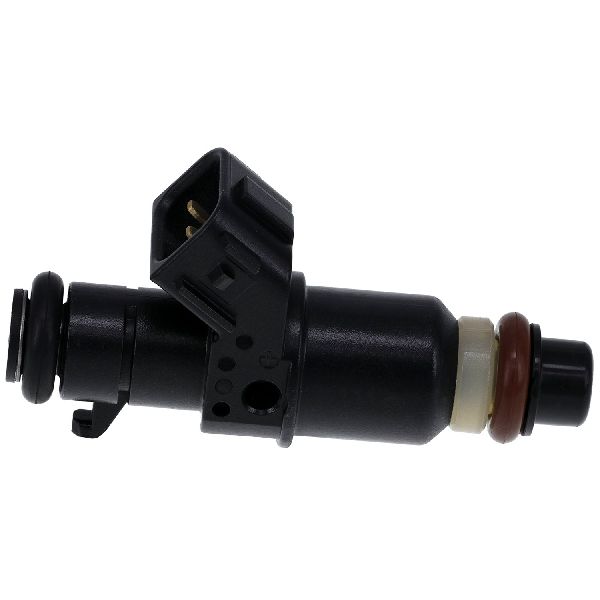
- 2013-2015 Honda Pilot: These models use a Port Fuel Injection (PFI) system. The injectors are mounted on a fuel rail in the intake manifold and are a relatively straightforward part.
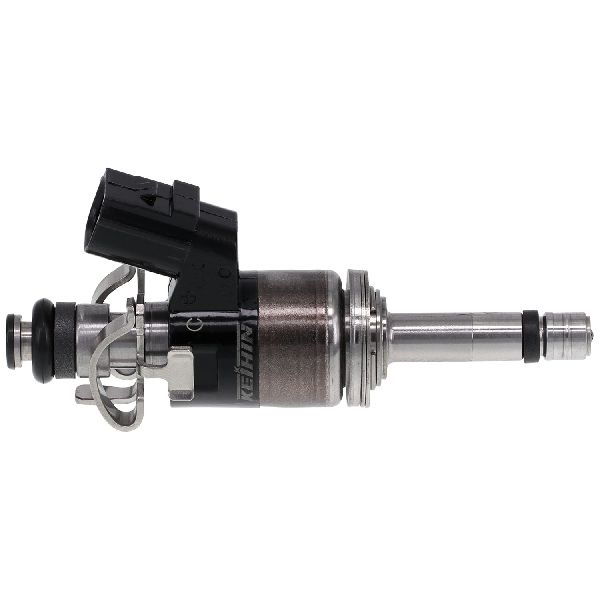
- 2016-2020 Honda Pilot: These models use a Gasoline Direct Injection (GDI) system. These are more complex, high-pressure injectors that mount directly to the engine's cylinder head. They are a known failure point on these specific models.
Known Issues: 2016-2019 Honda Pilot Fuel Injector Warranty Extension
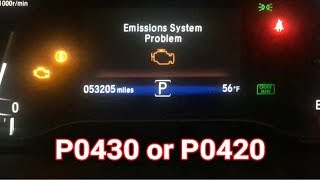
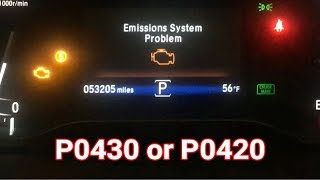
If you own a 2016-2019 Honda Pilot, pay close attention. Due to a manufacturing defect that can cause the injectors to clog or fail, Honda issued Technical Service Bulletins (TSB 20-100 and 21-010) and extended the warranty on the fuel injectors. The extended coverage is for 10 years or 150,000 miles from the vehicle's original purchase date, whichever comes first. Common trouble codes associated with this issue include P0420, P0430, P0300-P0306, P219A, and P219B. Before purchasing parts, have a Honda dealer check your Vehicle Identification Number (VIN) to see if your Pilot is eligible for a free replacement.
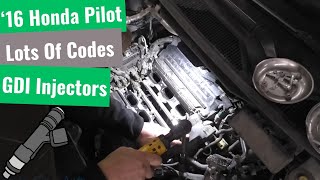
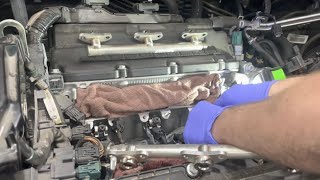
🎬 See a technician perform this GDI injector warranty replacement.Common Symptoms of a Failing Fuel Injector

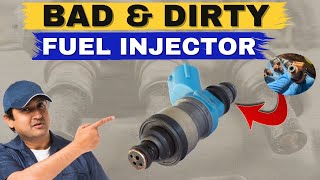
A bad fuel injector can cause a range of problems. You might notice one or more of these signs:
- Check Engine Light: This is the most common sign. The light may be solid or flashing. A flashing light indicates a serious misfire that could damage your catalytic converter.
- Rough Idle: The engine may shake or vibrate when the vehicle is stopped.
- Engine Misfires: You may feel the engine stumble or hesitate during acceleration.
- Poor Fuel Economy: If an injector is stuck open, it will waste fuel and you'll notice more trips to the gas station.
- Engine Stalling: In severe cases, a bad injector can cause the engine to stall.
- Fuel Smell: A leaking injector can create a raw fuel smell inside or outside the vehicle. 🎬 Watch: 13 common signs and symptoms of a bad injector.
Choosing the Right Aftermarket Fuel Injector

When replacing a fuel injector, you have several options. For the 2016-2020 GDI engines, using the updated Genuine Honda part is strongly recommended due to the known issues with the original design. For the 2013-2015 PFI engines, aftermarket options are more viable.
- Premium Aftermarket (Standard Ignition): Brands like Standard Motor Products (SMP) aim to match original equipment performance. They are a reliable choice for owners who want a quality part without the dealer price tag, especially for the less problematic 2013-2015 models.
- Economy Aftermarket (GBR Fuel Injection): Remanufactured injectors from brands like GBR offer a significant cost saving. These are best for owners on a tight budget, but quality can be inconsistent compared to new parts.
Pro Tip: Replace as a Set?
For the 2016-2020 GDI engines, Honda replaces the injectors as a complete set of six under the warranty extension. For the older 2013-2015 PFI engines, it's good practice to replace them all at once if the vehicle has high mileage. Fuel injectors operate under the same conditions, so when one fails, others may not be far behind.
Cost of Replacing Honda Pilot Fuel Injectors

| Part Type | Estimated Cost (Part Only) |
|---|---|
| New OEM (Single PFI Injector '13-'15) | $92.00 - $123.00 |
| New OEM (Set of 6 GDI Injectors '16-'20) | $235.00 - $355.00 |
| New Aftermarket (Single Injector) | $56.80 - $114.96 |
| Shop Labor | $270.00 - $400.00 |
Frequently Asked Questions
Is there a recall on Honda Pilot fuel injectors?
No, there is no official safety recall. However, Honda has issued a warranty extension for certain 2016-2019 models that covers the replacement of faulty fuel injectors for up to 10 years or 150,000 miles.
Can I replace just one fuel injector?
While you can replace just the one failed injector, it is often recommended to replace them as a set, especially on higher mileage vehicles or on the 2016-2020 GDI models. This ensures balanced fuel delivery and prevents you from having to do the same repair again soon.
🎬 Watch this step-by-step guide to replacing GDI injectors.What is the difference between PFI and GDI injectors?
PFI (Port Fuel Injection) injectors are simpler and spray fuel into the intake port. GDI (Gasoline Direct Injection) injectors are more complex, operate under much higher pressure, and spray fuel directly into the engine's combustion chamber. The 2013-2015 Pilot uses PFI, and the 2016-2020 Pilot uses GDI.
Should I use OEM or aftermarket injectors for my Pilot?
For 2016-2019 Pilots with the known GDI injector issue, using the updated Genuine Honda part (OEM) is the safest choice to ensure you get the corrected design. For 2013-2015 PFI models, quality aftermarket brands like Standard Ignition are a good way to save money while still getting a reliable part.
Helpful Videos
Technical Specifications
OEM Part Numbers: 16450-RN0-A01 16010-RLV-315 16010-RLV-305
The 2013-2015 Honda Pilot uses a 3.5L V6 with Port Fuel Injection (PFI). The 2016-2020 Honda Pilot uses a 3.5L V6 with Gasoline Direct Injection (GDI).
We Have This Part in Stock


The information in this article is provided for general reference and educational purposes only. Vehicle specifications, procedures, and part compatibility can vary by production date, trim level, and region. Always consult your vehicle's factory service manual and verify part numbers before purchasing or performing repairs. Safety-critical components such as airbags, seat belts, and braking systems should be installed by a qualified professional.
- Honda Pilot:
- 🎬 Helpful Videos
- 🛍️ Shop This Part
- Two Generations, Two Different Fuel Systems
- Known Issues: 2016-2019 Honda Pilot Fuel Injector Warranty Extension
- Common Symptoms of a Failing Fuel Injector
- Choosing the Right Aftermarket Fuel Injector
- Pro Tip: Replace as a Set?
- Cost of Replacing Honda Pilot Fuel Injectors
- Frequently Asked Questions
- 🎟️ Get 5% Off