

A Guide to Replacing Oxygen Sensors on the 2013-2020 Lincoln MKZ
Fix your check engine light and restore fuel economy by choosing the right oxygen sensor for your Lincoln MKZ.
- Verify the exact sensor you need before buying: upstream or downstream, and Bank 1 (firewall side) or Bank 2 (radiator side) for V6 models.
- Using a top-tier aftermarket brand like Bosch, Denso, or NGK/NTK offers OEM-like quality for less than a Motorcraft part.
- A special 7/8" (22mm) oxygen sensor socket is essential for DIY replacement to prevent wire damage.
- Do not ignore a bad O2 sensor, as it can lead to poor performance and expensive catalytic converter damage over time.
Is a Bad Oxygen Sensor a Serious Problem?
When an oxygen (O2) sensor fails in your Lincoln MKZ, your car's computer receives incorrect information. This usually triggers the check engine light and can cause noticeable driving issues. While you can drive the car for a short time, ignoring a bad sensor can lead to more expensive problems. A faulty upstream sensor can cause poor fuel mileage and a rough-running engine. Over time, this can damage your expensive catalytic converter, turning a small repair into a major one.
Symptoms of a Failing Oxygen Sensor in a Lincoln MKZ
The signs of a failing O2 sensor are often clear. The most common is a steady check engine light on your dashboard. You might also notice your fuel economy getting worse, the engine hesitating or misfiring, or a rough idle. In some cases, you may smell gasoline or see black smoke from the exhaust, which indicates the engine is running too rich (too much fuel).
Don't Ignore a Flashing Check Engine Light
If your check engine light is flashing, it signals a more severe problem, like a major engine misfire. You should pull over and stop driving the vehicle to prevent serious engine or catalytic converter damage.
How Many Oxygen Sensors Does My Lincoln MKZ Have?
The number of sensors depends on your engine:
- 2.0L EcoBoost & 2.0L Hybrid: These engines typically have two sensors: one upstream (before the catalytic converter) and one downstream (after the catalytic converter).
- 3.7L V6 & 3.0L V6: These engines have four sensors. There is one upstream and one downstream sensor for each cylinder bank (Bank 1 and Bank 2). On these transverse engines, Bank 2 is toward the front of the vehicle, and Bank 1 is toward the firewall.
Choosing the Right Aftermarket Oxygen Sensor
When shopping for a replacement, it's important to understand that not all aftermarket brands are created equal. For a critical component like an O2 sensor, quality matters. Using a low-quality sensor can lead to incorrect readings, persistent check engine lights, and the need to replace the part again sooner than expected.
Always Buy Direct-Fit Sensors
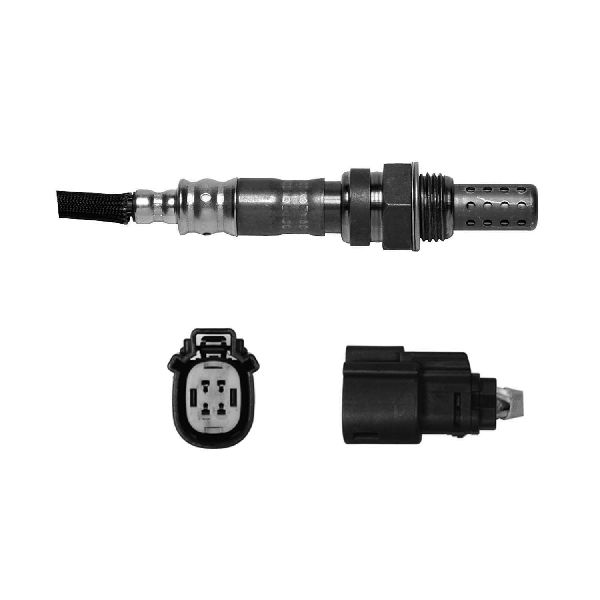
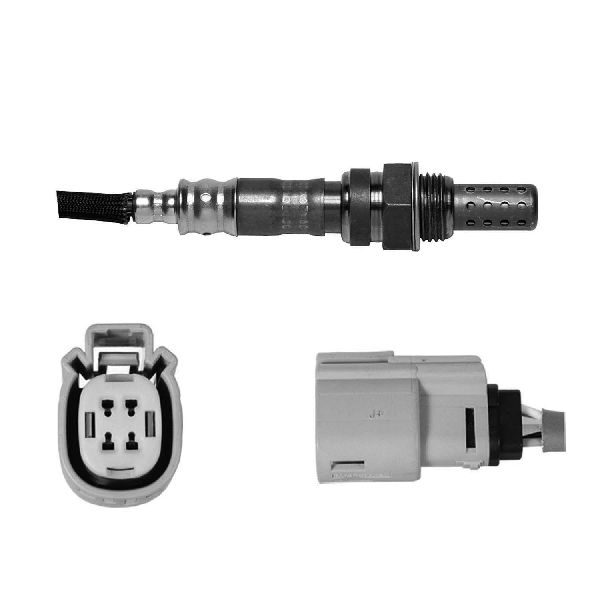
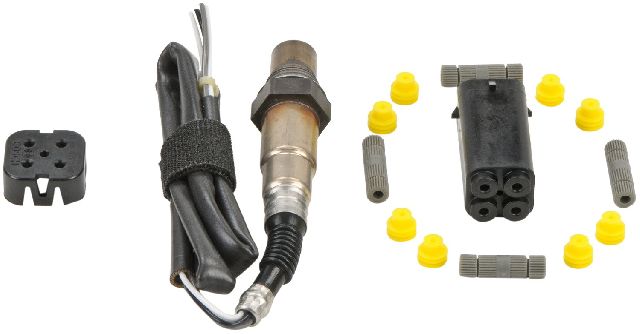
Make sure to buy a "direct-fit" or "specific-fit" sensor. These have the correct wire length and electrical connector for your MKZ, making installation much easier. Avoid "universal" sensors that require you to splice wires, as this can create a point of failure.
Brand Quality Tiers for Lincoln MKZ
- OEM (Original Equipment Manufacturer): Motorcraft is the official brand for Ford and Lincoln parts. Choosing Motorcraft guarantees a perfect fit and original performance, and many owners recommend it to avoid any compatibility issues.
- Top-Tier Aftermarket: Brands like Bosch, Denso, and NGK/NTK are excellent alternatives. These companies are often the original suppliers to many automakers and produce sensors that meet or exceed OE specifications. Bosch, in particular, is a known OEM supplier for many Ford vehicles.
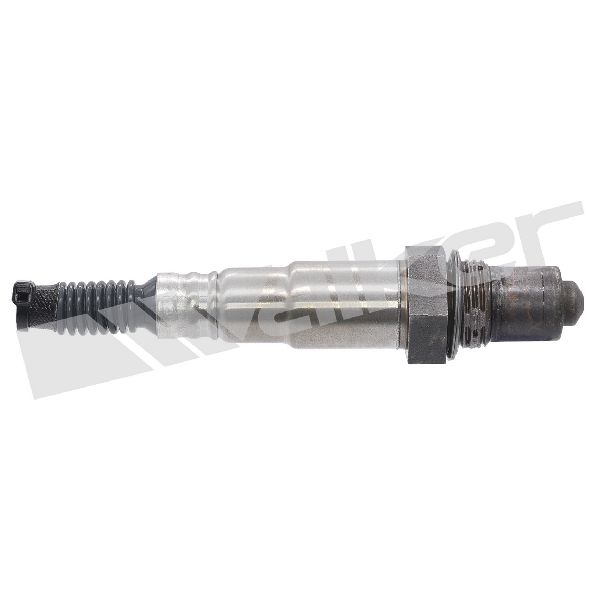
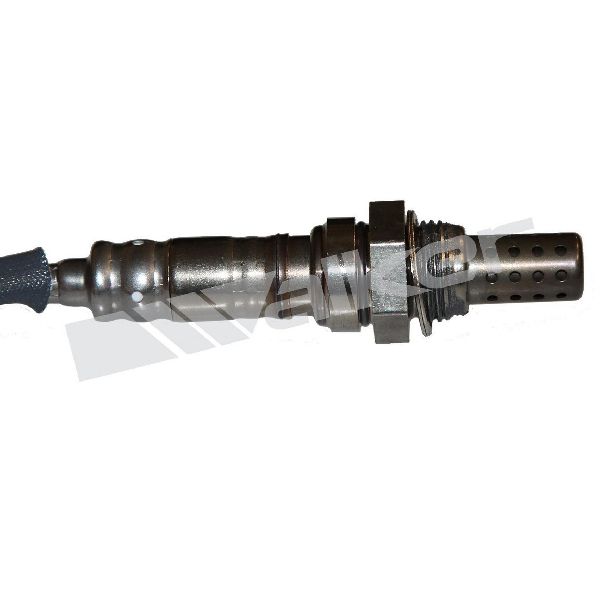
- Quality Aftermarket: Delphi and Walker Products offer reliable sensors that are a good balance of quality and price. They are a solid choice for a dependable repair without the higher cost of OEM parts.
- Economy Brands: Brands like DriveWire and Spectra provide the most budget-friendly options. While they can work, they may not have the same longevity or precise calibration as higher-tier brands. For a sensitive part like an O2 sensor, it's often worth spending a little more for a trusted name.
Known Issues, TSBs, or Recalls
Searches of the National Highway Traffic Safety Administration (NHTSA) database did not show any recalls specifically for oxygen sensor failure on the 2013-2020 Lincoln MKZ. A Technical Service Bulletin (TSB #20M01) was issued for some models, noting that certain driving conditions could overheat the catalytic converter and trigger diagnostic codes, which are monitored by the O2 sensors. However, there are no widespread reports of premature O2 sensor failure specific to the MKZ.
Cost of Replacing a Lincoln MKZ Oxygen Sensor (2013-2020)
The cost can vary depending on the sensor's location and the brand you choose. Labor costs are also a factor if you have a mechanic perform the work.
| Part/Service | Estimated Cost |
|---|---|
| New Aftermarket Oxygen Sensor | $27 - $170 |
| New OEM (Motorcraft) Oxygen Sensor | $80 - $250+ |
| Shop Labor | $75 - $150 per sensor |
| Total Professional Replacement | $155 - $400+ per sensor |
Note: Costs are estimates and can vary by location and which specific sensor needs replacement. Some sensors are much harder to access, increasing labor time.
Frequently Asked Questions (FAQ)
Can I replace an oxygen sensor myself?
Yes, this is a DIY-feasible job for many owners, especially for the more accessible sensors. You will need a special oxygen sensor socket (usually 7/8" or 22mm) to avoid damaging the wire. Some sensors can be very tight or "baked on," so be prepared to use penetrating oil and some force. The downstream and firewall-side (Bank 1) sensors can be difficult to reach without lifting the car.
What is the difference between an upstream and downstream sensor?
The upstream sensor is located in the exhaust manifold or pipe before the catalytic converter. It measures the raw exhaust gases to help the engine adjust its air-fuel ratio. The downstream sensor is located after the catalytic converter and its main job is to monitor the converter's efficiency. They are not interchangeable.
My mechanic replaced the O2 sensor but the check engine light came back. Why?
This can happen for a few reasons. The O2 sensor code might be a symptom of another problem, such as a vacuum leak, a clogged fuel injector, an exhaust leak, or a failing mass airflow sensor. Sometimes, using a low-quality aftermarket sensor can cause persistent codes. It's also possible there is an issue in the sensor's wiring circuit.
Should I replace all oxygen sensors at once?
It is not always necessary, but it can be a good preventative measure. Oxygen sensors age over time and their response can become slow, even before they fail completely. If one sensor has failed due to high mileage (over 80,000-100,000 miles), the others are likely nearing the end of their service life as well. Replacing them in pairs (both upstream or both downstream on V6 models) or all at once can save on future labor costs.
Technical Specifications
OEM Part Numbers: CJ5Z9G444B CV6Z9G444B HS7Z-9G444-B BH6Z-9G444-A
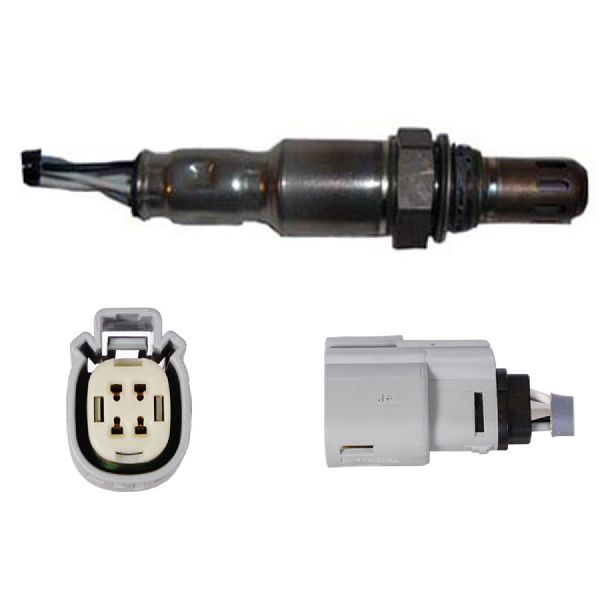
Fitment is engine and position-specific (Upstream/Downstream, Bank 1/Bank 2). Sensors are heated and use either a 4-wire or 5-wire design depending on type (downstream vs. upstream wideband). Connectors are direct-fit.
We Have This Part in Stock

The information in this article is provided for general reference and educational purposes only. Vehicle specifications, procedures, and part compatibility can vary by production date, trim level, and region. Always consult your vehicle's factory service manual and verify part numbers before purchasing or performing repairs. Safety-critical components such as airbags, seat belts, and braking systems should be installed by a qualified professional.
- Lincoln MKZ:
- 🛍️ Shop This Part
- Is a Bad Oxygen Sensor a Serious Problem?
- Symptoms of a Failing Oxygen Sensor in a Lincoln MKZ
- Don't Ignore a Flashing Check Engine Light
- How Many Oxygen Sensors Does My Lincoln MKZ Have?
- Choosing the Right Aftermarket Oxygen Sensor
- Always Buy Direct-Fit Sensors
- Brand Quality Tiers for Lincoln MKZ
- Known Issues, TSBs, or Recalls
- Cost of Replacing a Lincoln MKZ Oxygen Sensor (2013-2020)
- Frequently Asked Questions (FAQ)
- 🎟️ Get 5% Off