

A/C Receiver Drier Desiccant Element Replacement for the 2013-2021 Audi S8
This small, often-overlooked part is critical for protecting the expensive A/C components in your S8.
- The 2013-2021 Audi S8 uses a desiccant bag inside the condenser, not a separate canister.
- This part MUST be replaced any time the A/C system is opened to prevent moisture contamination and premature failure of other components.
- Before assuming a major mechanical failure, have a technician check for common electronic issues like a faulty refrigerant pressure sensor (G395).
- Quality aftermarket brands like Four Seasons provide a cost-effective and reliable alternative to buying an entire new condenser from the dealer.
Understanding the A/C Desiccant Element in Your S8
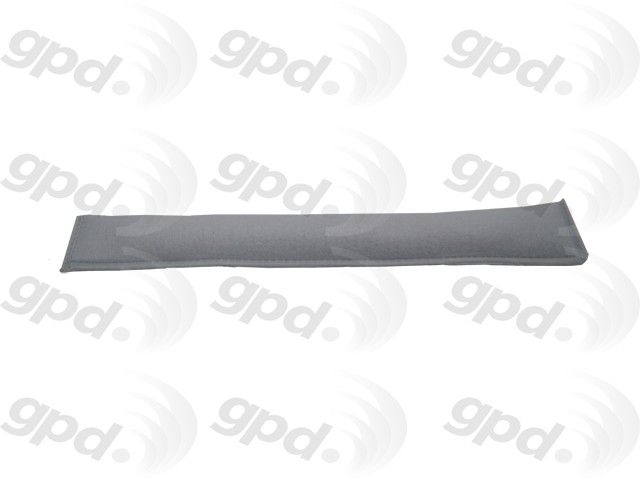
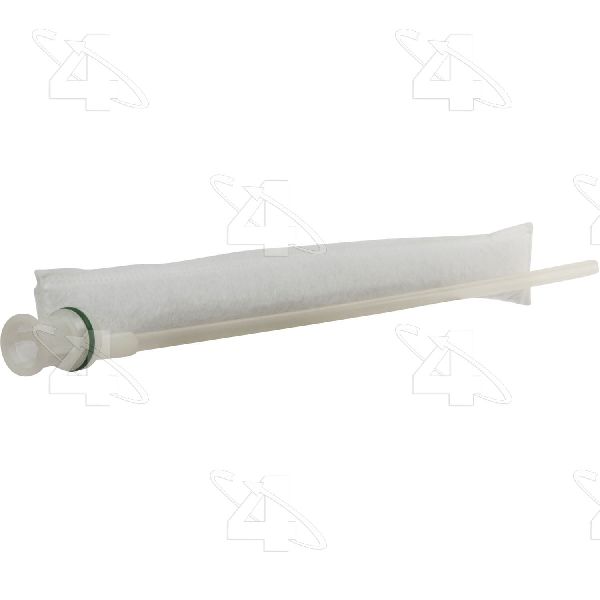
When your Audi S8's air conditioning starts blowing warm, you might think of big-ticket items like the compressor or condenser. However, a small part called the A/C desiccant element plays a vital role. Unlike older cars with a separate receiver/drier canister, your S8 has a desiccant bag that fits inside a chamber on the A/C condenser. This bag's only job is to absorb moisture from the refrigerant, preventing corrosion and potential system failure. It is mandatory to replace this part whenever the A/C system is opened for service, such as when replacing a hose or the compressor. Failing to do so can saturate the system with moisture, causing new parts to fail and often voiding their warranty.
Symptoms of a Saturated or Failed Desiccant Element
A failed desiccant bag doesn't have unique symptoms. Instead, it allows moisture to contaminate the entire A/C system, leading to these general problems:
- Weak or No Cooling: This is the most common sign. Moisture in the system can freeze at the expansion valve, creating a blockage that stops refrigerant flow.
- Musty Odor: Trapped moisture in the system, especially in the evaporator, creates a perfect breeding ground for mold and mildew, which causes a foul smell from the vents.
- A/C System Shuts Off: Your Audi's climate control system has pressure sensors that protect it. If it detects incorrect pressures caused by a blockage or moisture, it will shut down the compressor to prevent catastrophic damage.
- Foggy Interior Windows: A properly functioning A/C system is a great dehumidifier. If it's not working correctly, you'll have a harder time clearing condensation from the inside of your windows.
Check These Common S8 A/C Issues First
Before you replace major components, be aware of other common A/C problems on the D4 platform. Many A/C issues on these cars are electronic, not mechanical.
- Faulty Pressure/Temperature Sensor: A very common failure point on Audis is the G395 refrigerant pressure/temperature sensor. A bad sensor can make the system think there is no refrigerant, preventing the compressor from turning on. This can trigger fault codes like B10C2 22 - Signal Amplitude Too High.
- Compressor Regulator Valve (N280): Audi issued a Technical Service Bulletin (TSB) for diminished cooling or rattling noises related to the compressor's regulating valve.
- System Leaks: TSBs also exist for refrigerant leaks from the evaporator core and various O-ring seals throughout the system. A technician can use a UV dye or an electronic leak detector to find these leaks.
Choosing the Right Aftermarket Desiccant Element
Since the desiccant element is a mandatory replacement item during most A/C repairs, choosing the right part is important. You don't need to buy the entire, expensive condenser assembly from the dealer.
Premium Aftermarket (e.g., Four Seasons):
Four Seasons is a well-respected brand in the automotive A/C world. Their parts are manufactured in certified facilities and are designed to meet or exceed OEM specifications. For a critical-but-simple part like a desiccant bag, Four Seasons offers a reliable, high-quality option without the dealer price tag. They are a trusted choice for professional repair shops.
Standard Aftermarket (e.g., Global Parts Distributors - GPD):
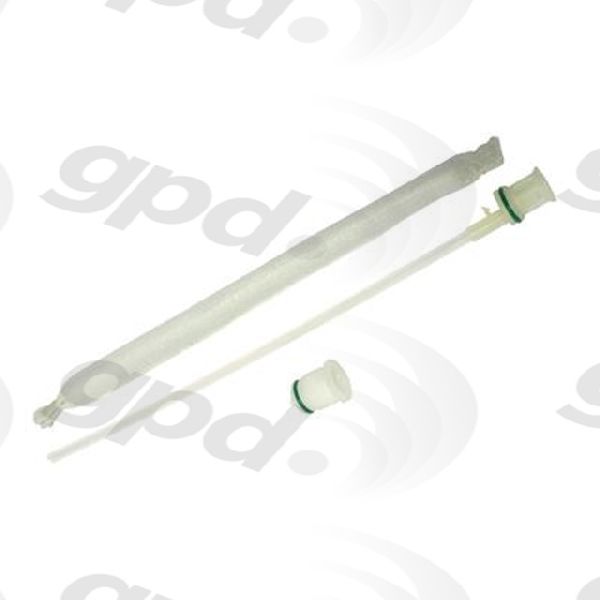
GPD provides a cost-effective alternative. While some user reviews for their more complex components like compressors are mixed, a desiccant bag is a simple, non-moving part. The key is the quality of the desiccant material inside. GPD is a viable budget-friendly option, especially when paired with a professional installation that includes a full system vacuum to remove any residual moisture.
Pro Tip: The desiccant bag is exposed to air the moment its sealed packaging is opened. It can become saturated in just a few hours. Ensure the new bag is installed immediately after being opened and that the A/C system is sealed and vacuumed down quickly.
| Part Type | Estimated Cost (Part Only) | Notes |
|---|---|---|
| OEM (Dealer) | $600 - $900+ | Typically sold as part of the complete condenser assembly. |
| Aftermarket (Four Seasons, GPD) | $13.29 - $33.07 | Direct-fit replacement bag. Offers the best value. |
Frequently Asked Questions (FAQ)
When do I need to replace the desiccant element?
You must replace it anytime the A/C system is opened to the atmosphere. This includes replacing the compressor, condenser, evaporator, or any of the refrigerant lines. It is a standard procedure for any professional A/C service.
Can I just replace the desiccant bag and not the whole condenser?
Yes. Aftermarket brands sell the bag separately. However, accessing it still requires removing the condenser from the vehicle, which is a significant job involving the removal of the front bumper and other components.
What happens if I don't replace it during a repair?
The old, saturated desiccant bag will release moisture back into the system. This moisture will mix with the new refrigerant and oil, forming acid and causing corrosion. It will quickly destroy your new, expensive components like the A/C compressor and will void the part's warranty.
Is an aftermarket desiccant bag as good as the OEM part?
For this specific component, a quality aftermarket part from a reputable brand like Four Seasons is perfectly acceptable and functionally identical to the original. The cost savings are significant compared to buying a complete condenser assembly from the dealer.
Technical Specifications
OEM Part Numbers: Typically serviced as part of the condenser assembly. No separate OEM part number is commonly available for just the desiccant bag.
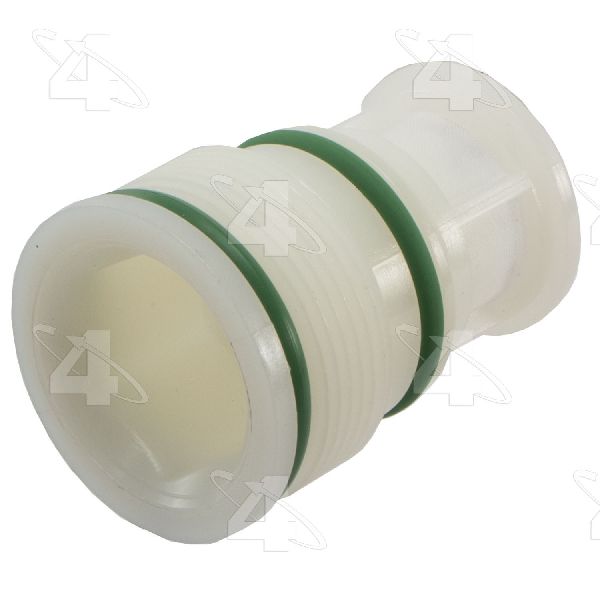
Cartridge/bag style desiccant element designed for integration with the vehicle's A/C condenser.
We Have This Part in Stock

The information in this article is provided for general reference and educational purposes only. Vehicle specifications, procedures, and part compatibility can vary by production date, trim level, and region. Always consult your vehicle's factory service manual and verify part numbers before purchasing or performing repairs. Safety-critical components such as airbags, seat belts, and braking systems should be installed by a qualified professional.
- Audi S8: